Passenger

Team RideWyze Posted on 30 June 2025
The world of ride-hailing is rapidly evolving, with advancements in technology, safety, and user experience changing the way passengers and drivers interact. Once a simple way to get from one point to another, ride-hailing apps have transformed into complex platforms that integrate multiple services. Whether it’s AI for personalized experiences, or AR for seamless navigation, the future of ride-hailing is driven by innovation.
In 2025, new features will not only be a luxury—they’ll be necessary for platforms to thrive in an increasingly competitive market. Among these innovations, RideWyze, a leading ride-hailing solution, has emerged as a pioneer in offering services that go beyond just driving from one place to another.
To understand what features ride-hailing apps will need to stay ahead, let's explore the five essential capabilities every app must possess in 2025. These features aren’t just about enhancing convenience—they’re about building an experience that sets a platform apart from the competition.
In 2025, personalization is key to keeping users engaged and satisfied. Ride-hailing apps should not only offer services based on location but should also use data to anticipate a user’s needs.
By harnessing the power of AI, apps can suggest personalized ride recommendations that go beyond proximity. For example, if you’ve frequently taken longer trips to the airport, the app could suggest premium vehicles like executive sedans or electric cars suited for longer rides.
The AI behind the matching system can also offer smart suggestions such as preferred drivers (those with better ratings) or types of rides based on previous preferences. For instance, some users may prefer a quiet, comfortable ride over a car with more space. By considering these preferences, AI can create an ideal ride experience that feels more like a service tailored to individual needs.
Moreover, AI doesn’t just optimize for convenience—it optimizes for value. It can suggest routes that minimize cost, such as avoiding traffic-heavy areas during peak times. It can also give users real-time updates about the potential costs, especially during surge pricing times, to avoid any surprises. RideWyze leverages this technology to ensure a tailored experience for every user, making the app feel intuitive and personalized.
Another essential feature powered by AI is predictive demand analysis. Instead of relying on traditional ride-matching algorithms that only look at immediate demand, predictive algorithms analyze patterns over time. By looking at weather conditions, events in the area, or past trends, AI can anticipate where and when rides will be needed most.
For instance, if there’s a major event, like a concert or festival, AI will predict a surge in ride requests and ensure that drivers are informed about the potential hotspots to head toward. Similarly, in urban areas, AI can predict rush-hour traffic and adjust the ride offerings to ensure maximum availability without frustrating users with long wait times.
For RideWyze, this feature reduces idle time for drivers and helps ensure that riders never have to wait too long. It ensures that drivers are available when needed most and are directed to the highest-demand areas. It also helps predict and prevent excessive pricing, a common pain point for users during peak times.
Safety remains a primary concern in ride-hailing services, and as we enter 2025, ride-hailing apps need to be equipped with advanced safety features. Real-time ride monitoring is crucial to ensure both passengers and drivers are protected at all times.
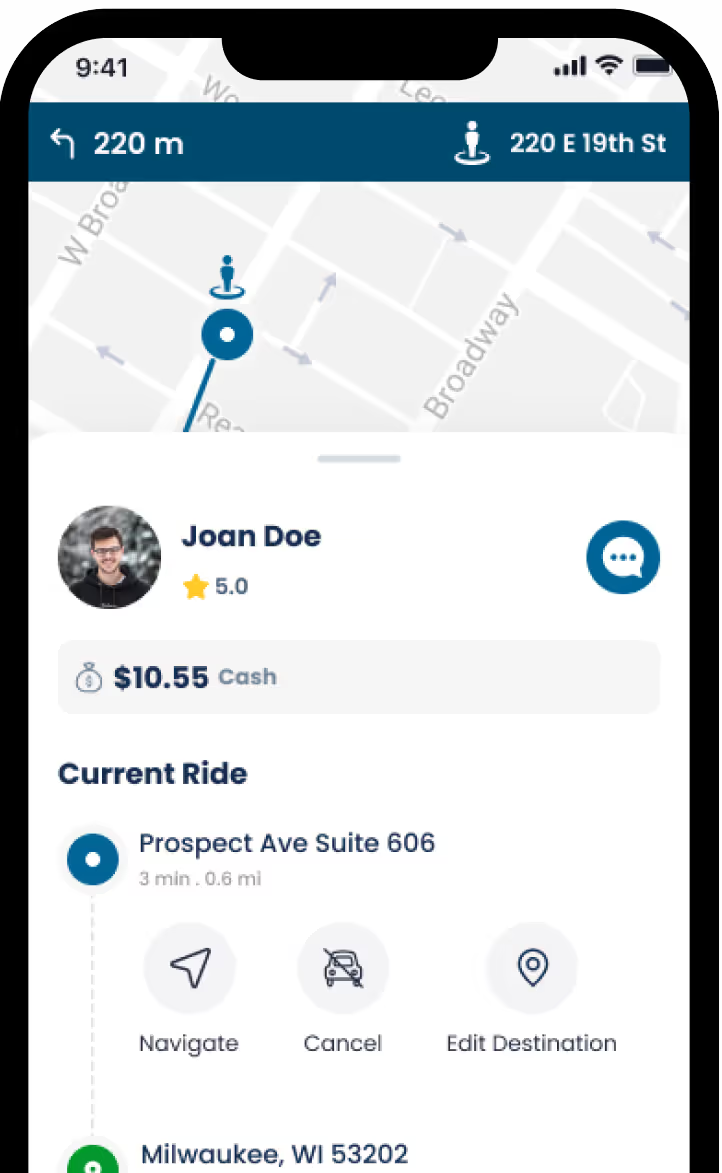
In 2025, apps should provide users with the ability to track their rides in real-time. Not only does this ensure that passengers can follow along with their ride’s progress, but it also provides an additional layer of security in case of emergencies. If something goes wrong, the system should automatically alert family members, friends, or even law enforcement based on the severity of the situation.
AI algorithms can also identify irregular ride patterns, such as sudden detours or stops, that may indicate a problem. If any suspicious activity is detected, the app can prompt an immediate alert to the user and their emergency contacts. This proactive approach to safety is an absolute necessity for both driver and passenger confidence.
RideWyze utilizes real-time ride tracking and monitoring systems to ensure users feel secure throughout their journey, reducing anxiety for passengers who might feel unsafe in unfamiliar areas.
Another layer of security that ride-hailing platforms need in 2025 is biometric authentication. Identity verification using face recognition or fingerprint scanning has become a key method for ensuring the correct individuals are entering the ride-hailing system.
This feature would be particularly beneficial for preventing fraud, such as unauthorized users hijacking accounts or impersonating others. In the case of drivers, the system ensures that only authorized individuals are allowed to operate vehicles, further improving safety and accountability.
By incorporating biometric authentication, RideWyze offers another secure step in the ride-booking process, ensuring passengers and drivers feel safe knowing that both the vehicle and the rider have been properly verified.
Safety doesn’t just involve proactive measures—it also requires a strong emergency response system. In case of an emergency, it’s crucial to have easy access to a panic button or SOS feature.
When passengers feel threatened or experience an emergency, a dedicated SOS button should instantly notify emergency contacts, local authorities, or support teams, providing crucial ride and location information. Furthermore, the button should be quick and easy to access, ensuring passengers don’t have to fumble around in a panic to get the help they need.
RideWyze has integrated an SOS feature that sends live updates to relevant parties, ensuring timely intervention in high-risk situations. This system dramatically improves safety by addressing potential threats immediately.
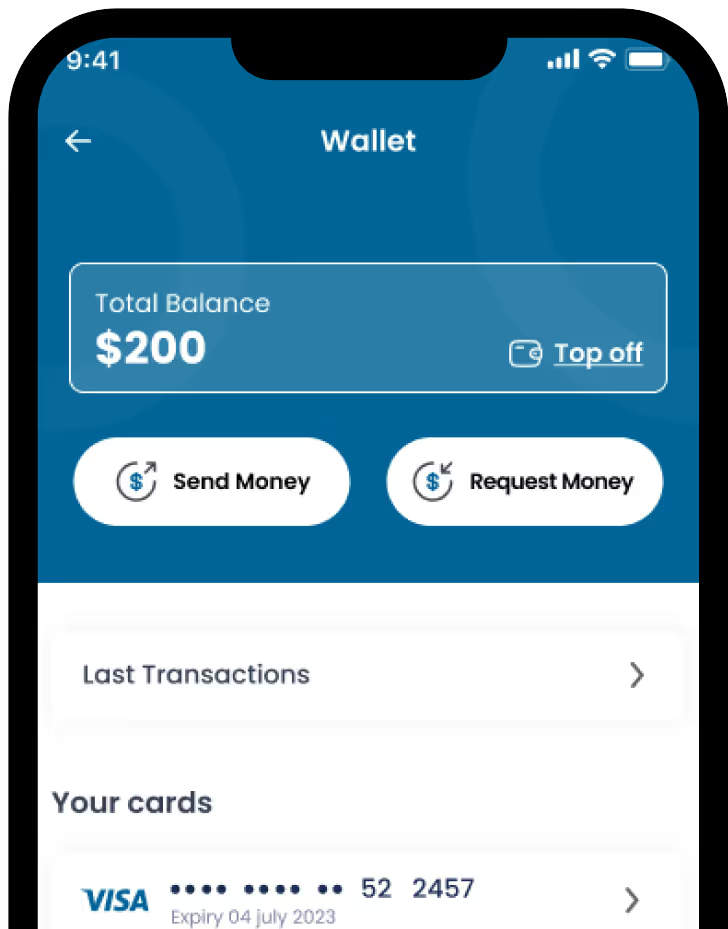
In 2025, consumers expect to pay for services in a variety of ways, especially with the rise of digital wallets and cryptocurrencies. Ride-hailing apps need to provide users with multiple payment options to ensure convenience.
While credit and debit cards remain standard, RideWyze incorporates digital wallet payments such as Apple Pay, Google Pay, and Samsung Pay, allowing for smooth and secure transactions. Additionally, with the increasing adoption of cryptocurrencies, offering payment options like Bitcoin, Ethereum, and others is becoming increasingly important for tech-savvy users.
Having such a variety of payment methods increases the app’s accessibility and aligns it with the ever-evolving financial technology landscape. It also makes the payment process simpler, ensuring that passengers don’t have to worry about their method of payment during a ride.
As ride-hailing services become more integral to daily life, offering features like fare splitting and subscription models makes a big difference.
Fare splitting is especially helpful for groups of people who frequently travel together. Passengers can divide the total fare equally or based on individual share amounts. This not only saves time but also removes friction in group travel, making the process much easier.
Subscription plans can cater to frequent users, offering them discounts and benefits for paying a fixed amount in advance. These plans might include daily or monthly passes, premium memberships for business travelers, or loyalty programs that reward users for their continued business. With RideWyze, these plans ensure that regular passengers are rewarded with cost-effective pricing while enjoying added perks like priority service or advanced booking options.
Sustainability is a hot topic in 2025, and ride-hailing companies are under increasing pressure to reduce their carbon footprint. One of the best ways to achieve this is by integrating electric vehicles (EVs) and hybrid vehicles into the platform’s fleet.
RideWyze is at the forefront of this movement, offering passengers the option to choose eco-friendly rides. The inclusion of electric vehicles in the fleet not only reduces the environmental impact but also allows riders to contribute to sustainability efforts in urban areas.
Electric vehicles also offer lower operating costs for drivers, who may see lower fuel and maintenance costs. To incentivize drivers to adopt eco-friendly vehicles, RideWyze could offer financial rewards or discounts on ride commissions.
Another eco-friendly feature that is gaining traction is carbon footprint tracking. With this feature, users can see the impact of their ride on the environment in real-time. By tracking emissions, passengers can become more conscious of their ecological impact.
Apps like RideWyze can provide riders with insights into their carbon emissions and even allow them to offset their footprint by making contributions to sustainability projects, like tree planting or renewable energy. By offering a transparent view of their ride’s impact, users feel more engaged and empowered to make environmentally friendly decisions.
The integration of augmented reality (AR) in ride-hailing apps is a game-changer, especially when it comes to improving the pick-up and drop-off experience. AR can help passengers and drivers find each other more easily, even in crowded areas.
With AR-powered navigation, users can point their phones in any direction and see visual markers indicating their vehicle’s location. This real-time visual overlay helps passengers spot their ride even in difficult conditions, such as busy parking lots or congested city streets.
RideWyze has incorporated AR to simplify the pick-up process. By enhancing the navigation experience, users are more likely to find their ride quickly, leading to a smoother, stress-free start to their journey.
Hands-free control is becoming more popular in today’s tech landscape, and ride-hailing apps must adapt. Voice-activated commands allow passengers to book rides, ask for ETA updates, or navigate the app with simple voice commands.
This is particularly beneficial for passengers who may need to multitask, whether they’re in the middle of a meeting or carrying heavy bags. By simply speaking to their device, users can make the process of requesting a ride more efficient and intuitive. With advancements in AI, these voice commands can even be personalized, understanding a user’s tone, preferences, and frequent actions.
For RideWyze, voice assistance ensures users can interact with the app seamlessly without needing to touch their devices, which is crucial for safety and convenience.
The ride-hailing industry is poised for major transformation in 2025. The essential features highlighted in this article—AI-powered matching, enhanced safety protocols, seamless payments, eco-friendly ride options, and AR enhancements—are shaping the future of how we travel. With these advancements, ride-hailing platforms are set to deliver not just efficient transportation, but an experience that’s secure, personalized, and sustainable.
As the market continues to evolve, platforms like RideWyze are leading the way in providing innovative, user-centered solutions that meet the demands of today’s riders and drivers. Whether you’re looking for a safer ride, a more eco-friendly option, or a personalized experience, the future of ride-hailing is here. Are you ready to embrace it?
In 2025, ride-hailing apps must offer features like real-time tracking, user-friendly interfaces, integrated payment systems, robust security measures, and AI-based ride matching. These features ensure smooth operations, safety, convenience, and a personalized experience for both riders and drivers.
Real-time tracking is essential for providing accurate updates on ride status and estimated time of arrival (ETA). It enhances the user experience by reducing wait times and helps ensure the safety of both riders and drivers by allowing people to track rides in progress.
AI enhances ride-hailing apps by optimizing routes, predicting demand, and providing personalized recommendations. AI-powered algorithms help improve efficiency, reduce wait times, and ensure a more seamless experience for users, while also helping companies manage their fleets better.
Integrated payment systems in ride-hailing apps streamline the transaction process, enabling secure, cashless payments. Users can easily pay via credit cards, mobile wallets, or even digital currencies, ensuring convenience and security. Additionally, this feature reduces the risk of driver-rider disputes over payments.
Safety and security are paramount in ride-hailing apps to build trust with users. Features like driver background checks, ride tracking, SOS buttons, and ride-sharing options ensure that both riders and drivers feel safe. A secure environment encourages more users to opt for ride-hailing services.
Ready to elevate your ride-hailing business? RideWyze has the tools and expertise to help you succeed. Contact us for a personalized demo today!

Create a free account and get full access to all features for 30 days.No credit card needed. Trusted by over 4,000 Clients.


from 200+ reviews

Start your 30-day free trial.