Passenger

Team RideWyze Posted on 30 December 2024

In today's fast-paced, mobile-centric world, consumers demand convenience at their fingertips. Ride-hailing apps like Uber, Lyft, and their regional counterparts have revolutionized the way people access transportation, and this trend is showing no signs of slowing down. As a result, the taxi app development sector is thriving, with entrepreneurs eager to tap into the growing demand for on-demand ride services.
Building a successful taxi app requires more than just implementing basic ride-booking functionalities. You need to offer a seamless, user-friendly experience for both passengers and drivers, ensuring that the app is intuitive, reliable, and efficient. Additionally, understanding the competitive landscape, including market trends, essential features, and advanced functionalities, will help you develop an app that meets user expectations and stands out in a crowded market.
This comprehensive guide delves into the key aspects of taxi app development, including the essential features your app should have, advanced functionalities to differentiate your product, a step-by-step breakdown of the development process, technology stack choices, and an overview of development costs.
Before diving into the technical aspects of app development, it's crucial to understand the market dynamics. The taxi app market has witnessed explosive growth in recent years, driven by the increasing reliance on smartphones and the desire for fast, convenient transportation.
The global ride-hailing market is projected to reach a valuation of $215.70 billion by 2028, growing at a compound annual growth rate (CAGR) of over 16%. This growth is primarily fueled by the widespread adoption of smartphones, urbanization, and the increasing need for affordable and convenient transportation options.
As more people embrace app-based taxi services, there is an increasing demand for local, regional, and niche ride-hailing services. While major players like Uber and Lyft dominate the global market, smaller companies and startups are capitalizing on regional markets by offering tailored services that cater to local preferences. For example, companies like Ola, Didi, and Grab have found immense success in their respective markets by customizing their offerings to meet the unique needs of users in India, China, and Southeast Asia.
This market landscape presents significant opportunities for new entrants. Entrepreneurs and businesses can launch successful taxi apps by identifying underserved markets or introducing innovative features that enhance user experiences. Understanding what users in your target region value most—whether it’s affordable pricing, safety, convenience, or additional services—will help you create a more appealing product.
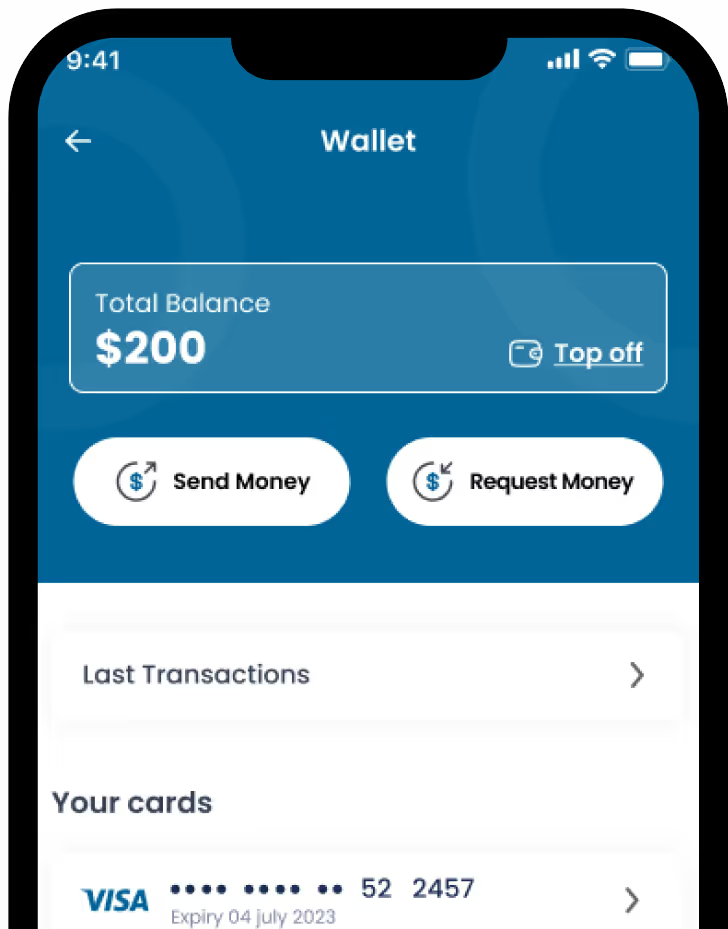
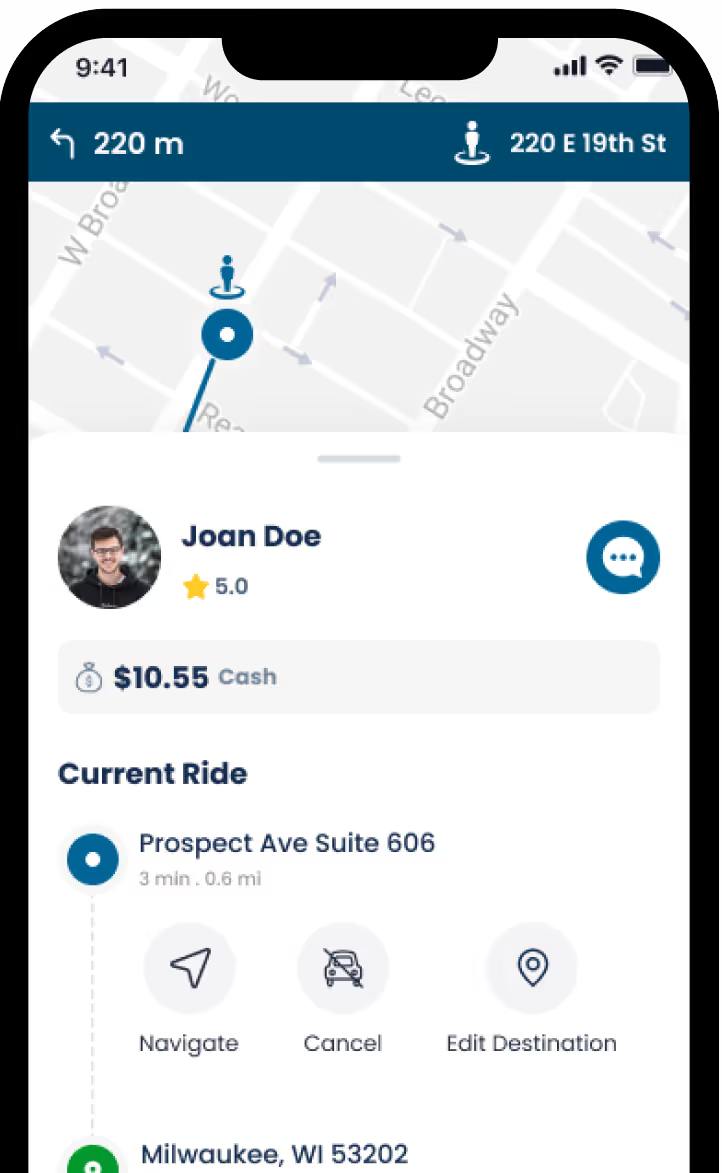
When developing a taxi app, certain features are non-negotiable. These features must be intuitive, easy to use, and efficient to meet the needs of both passengers and drivers. Here’s an in-depth look at the essential features that every taxi app should have:
To make your taxi app stand out from the competition, consider integrating the following advanced features:
Building a taxi app involves several critical steps that need to be carefully planned and executed:
The cost of developing a taxi app depends on various factors, such as the features you include, the complexity of the app, and the development team's hourly rates. Here’s an estimated breakdown of the cost:
These estimates can vary depending on the development location (offshore vs. local) and the specific needs of your app. It's essential to work with a development team that provides transparent pricing and can guide you through the decision-making process.

Developing a taxi app can be a rewarding venture, but it requires a clear understanding of the market, essential features, and advanced functionalities that will help your app succeed. By choosing the right technology stack, incorporating innovative features, and maintaining a strong focus on user experience, you can create an app that stands out in the competitive ride-hailing space. Remember that app development is a dynamic, ongoing process, and it’s crucial to stay updated with market trends, user feedback, and technological advancements. By building a reliable, user-friendly, and feature-rich taxi app, you can capitalize on the growing demand for ride-hailing services and provide an exceptional experience to both passengers and drivers.
Key features of a taxi app include user registration, ride booking, real-time GPS tracking, driver and passenger profiles, in-app payments, ride ratings and reviews, notifications, and customer support. These features ensure a seamless experience for both riders and drivers, making the app efficient and user-friendly.
The cost to develop a taxi app depends on factors such as app complexity, platform (iOS or Android), design, and features. On average, developing a basic taxi app can cost between $25,000 and $60,000, while a more advanced app with additional features such as real-time tracking, payment gateways, and backend integration can range from $60,000 to $150,000 or more.
A taxi app is typically built using programming languages like Swift (for iOS) and Kotlin (for Android). For the backend, technologies like Node.js, Ruby on Rails, or Java can be used. Databases such as MongoDB or PostgreSQL are popular for managing app data. Real-time tracking is integrated using GPS and services like Google Maps or Mapbox.
The time to build a taxi app can vary based on its complexity and features. A basic app may take around 3 to 6 months to develop, while a more feature-rich and customized app could take anywhere from 6 to 12 months. Time is also impacted by the need for multiple rounds of testing and user feedback.
Challenges in taxi app development include ensuring real-time communication between drivers and passengers, providing accurate location tracking, integrating payment gateways, maintaining app security, and managing app scalability. Addressing these challenges requires a skilled development team and careful planning to ensure a smooth user experience and efficient backend operations.
Ready to elevate your ride-hailing business? RideWyze has the tools and expertise to help you succeed. Contact us for a personalized demo today!

Create a free account and get full access to all features for 30 days.No credit card needed. Trusted by over 4,000 Clients.


from 200+ reviews

Start your 30-day free trial.