Passenger

Team RideWyze Posted on 31 January 2025
Ride-hailing services have revolutionized transportation, offering an unprecedented level of convenience and flexibility. From urban dwellers looking for a quick ride to commuters avoiding public transit, ride-hailing apps have become a daily necessity. However, the meteoric rise of this industry has also brought safety concerns to the forefront. Ensuring a safer experience for both passengers and drivers is no longer optional—it’s a must. Let’s delve into strategies, technologies, and community efforts that can contribute to a safer ride-hailing experience.
Safety is the cornerstone of any reliable ride-hailing service. When users hail a ride, they trust the platform to provide them with not just transportation but also a secure environment. A single safety incident can tarnish a company’s reputation and lead to a loss of trust among its users. Moreover, ensuring safety is not just a business obligation but also a moral responsibility.
From the passenger’s perspective, safety concerns include the fear of driver misconduct, reckless driving, or potential theft. Drivers, on the other hand, face risks such as aggressive or intoxicated passengers. Creating a safety-first approach fosters trust, encourages more frequent usage, and establishes a ride-hailing service as a reliable brand.
One of the most significant challenges is the lack of uniform safety protocols across different regions. While some jurisdictions have strict regulations for ride-hailing services, others are more lenient. This disparity creates a fragmented approach to safety. For instance, a driver operating under minimal scrutiny in one region might not meet the stricter safety standards of another.
Another pressing issue is the inconsistency in driver screening processes. Not all ride-hailing companies invest in thorough background checks, leaving room for individuals with questionable histories to join the platform. Without stringent verification, passengers may unknowingly put themselves at risk.
While much focus is placed on driver behavior, it’s equally important to address the risks posed by passengers. Drivers often face verbal abuse, physical altercations, or even theft. Safety measures must account for this two-way dynamic, protecting both parties involved in the ride.
A robust driver screening process is the first line of defense in ensuring safety. This process should include:
Criminal Background Checks: Verifying that drivers have no history of violent or criminal behavior.
Driving Records: Ensuring drivers have a clean driving history and are skilled in handling various road conditions.
Ongoing Evaluations: Conducting periodic checks to ensure continued compliance with safety standards.
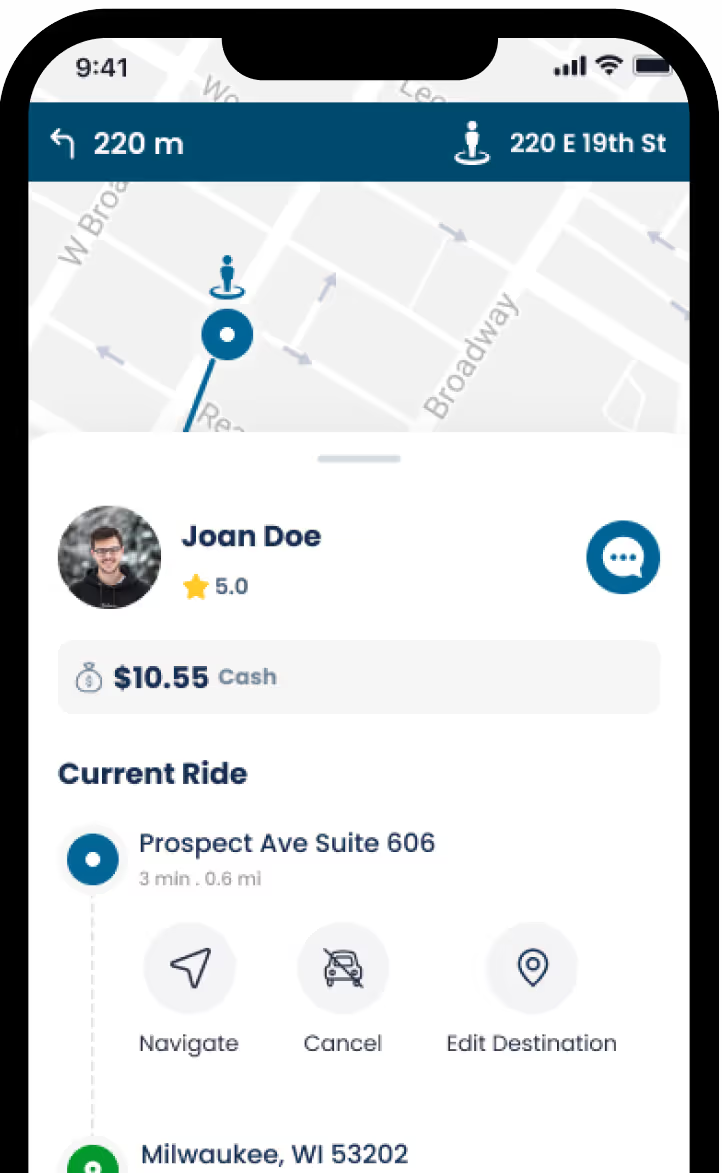
Real-time GPS tracking is a game-changer for ride-hailing safety. This feature allows passengers to share their live location with friends or family, adding a layer of accountability. It also helps companies monitor routes, ensuring that drivers stick to the safest and most efficient paths.
Incorporating emergency buttons within the app interface empowers users to call for help instantly. These features should be integrated with local law enforcement or company support teams for quick responses.
Artificial intelligence (AI) and machine learning (ML) are transforming ride-hailing safety. AI can analyze data patterns to identify risky driver behavior, such as speeding or erratic lane changes. ML algorithms can flag unusual route deviations, prompting immediate action.
Facial recognition ensures that the person behind the wheel is the registered driver. This technology prevents driver impersonation and builds trust among passengers.
Secure communication between passengers and drivers is essential. End-to-end encryption ensures that personal information and messages remain confidential, safeguarding users against data breaches.
Driver education is key to minimizing risks. Training programs should cover:
Defensive Driving: Techniques for avoiding accidents and handling emergencies.
Conflict Resolution: Strategies for de-escalating tense situations with passengers.
Health and Safety Protocols: Guidelines for maintaining personal safety during rides.
Adequate insurance policies protect drivers from unforeseen incidents, such as accidents or legal disputes. Comprehensive coverage ensures that drivers feel secure while on the job.
Supporting driver well-being is crucial for long-term safety. Providing access to mental health resources, regular wellness checkups, and stress management programs can enhance driver performance and morale.
Before stepping into a vehicle, passengers should verify the driver’s name, photo, and car details through the app. This simple step can prevent cases of mistaken identity or fraud.
Modern ride-hailing apps allow users to share trip details with trusted contacts. This feature creates an added layer of safety, as friends or family can track the ride in real-time.
While convenience is a hallmark of ride-hailing, passengers should exercise caution when booking rides late at night. If unavoidable, opting for well-lit pickup and drop-off locations is advisable.
Rating systems empower passengers and drivers to provide feedback on each other. A transparent review system helps identify problematic users, fostering a safer community.
Strict policies against harassment, discrimination, or violence create a safe environment for all. Ride-hailing companies must enforce these rules diligently, taking immediate action against violations.
Encouraging users to report safety concerns ensures continuous improvement. Companies must prioritize addressing feedback promptly and transparently.
Ride-hailing companies can collaborate with law enforcement agencies to ensure quicker responses to emergencies. Sharing real-time data during critical incidents can expedite resolutions.
Joint campaigns with law enforcement can educate both drivers and passengers about safety best practices, such as recognizing potential risks and responding to emergencies effectively.
Governments play a crucial role in standardizing safety protocols. Mandating regular audits, background checks, and compliance reviews ensures that companies uphold high safety standards.
Introducing specialized licenses for ride-hailing drivers guarantees that they meet advanced safety requirements. These licenses can include additional training in road safety and passenger handling.
Dynamic verification systems ensure that both drivers and passengers are who they claim to be. Features such as OTP (one-time password) confirmations add another layer of security.
Detailed ride reviews allow users to rate their experience beyond simple star ratings. Including categories like driver behavior, vehicle condition, and route safety provides valuable insights.
Installing dashcams in vehicles can deter misconduct while providing crucial evidence in case of disputes or incidents.
Uber’s safety features, such as the “Emergency Assistance” button, GPS tracking, and 24/7 support, have significantly improved user confidence. These measures demonstrate how technology can address safety concerns effectively.
Lyft’s real-time ID verification system ensures that drivers match their registered profiles. This simple yet effective measure has reduced cases of driver impersonation.
Educating users about safety features and best practices empowers them to take proactive measures. Simple habits, such as verifying ride details and sharing locations, can make a big difference.
Hosting workshops for drivers enhances their knowledge of safety protocols, conflict resolution, and customer service. These sessions also provide a platform for drivers to voice their concerns.

The future of ride-hailing safety lies in continuous innovation and collaboration. As technology advances, features like autonomous vehicles and blockchain-based identity verification may redefine safety standards. However, the human element—trust, awareness, and accountability—will remain at the core of a safer ride-hailing experience.
Ride-hailing apps enhance safety by implementing real-time ride tracking, SOS emergency buttons, driver background checks, and ride-sharing options that allow users to share trip details with trusted contacts.
Driver safety is prioritized through identity verification for riders, cashless transactions, 24/7 emergency support, and in-app security features like hidden phone numbers and trip monitoring to prevent fraudulent activities.
To prevent fraud, ride-hailing platforms conduct rigorous driver background screenings, use AI-based identity verification, and monitor accounts for suspicious activity. User rating systems also help in filtering out unreliable users.
AI enhances safety by detecting route deviations, identifying unsafe driving patterns, and predicting high-risk areas. It can also enable automated emergency response systems if an anomaly is detected during a trip.
Passengers should always verify driver details, share their trip with someone they trust, and report any safety concerns immediately. Drivers can enhance safety by following traffic laws, staying alert, and using in-app safety features.
Ready to elevate your ride-hailing business? RideWyze has the tools and expertise to help you succeed. Contact us for a personalized demo today!

Create a free account and get full access to all features for 30 days.No credit card needed. Trusted by over 4,000 Clients.


from 200+ reviews

Start your 30-day free trial.