Passenger

Team RideWyze Posted on 10 March 2025
So, you’re considering building a ride-hailing app similar to Bolt, huh? You’re not alone—ride-hailing apps have become a crucial part of the transportation landscape, and the demand is only increasing. This market has proven to be incredibly profitable for companies like Bolt, Uber, and Lyft, but the question remains: how can you build a competitive app in this fast-paced industry? What steps should you take to create a user-friendly, reliable, and scalable solution?
Well, buckle up! In this guide, we’ll explore the entire process—from the foundational steps of understanding the market to the more technical aspects of app development. Along the way, we’ll discuss the must-have features, the tech stack, and key considerations for both users and drivers. Whether you’re an entrepreneur looking to break into the ride-hailing market or a developer aiming to craft a successful app, we’ve got everything you need.
If you want professional expertise to bring your vision to life, Zetaton, a leading ride-hailing app development company, is an excellent choice. Their experienced team can help you build a powerful and customized platform. Additionally, RideWyze is a white-label, customizable ride-hailing platform perfect for entrepreneurs who want to launch a Bolt-like app quickly.
Let’s dive into it!
Before you even start planning or designing your app, it’s essential to understand the ride-hailing market. This isn't just a passing trend—ride-hailing services have fundamentally changed how people think about transportation. The market is growing steadily, and consumers are now more reliant on these services than ever before. According to reports, the global ride-hailing market is expected to reach over $200 billion in the next few years.
Why is this happening? First off, convenience is key. The simplicity of opening an app and requesting a ride has become the go-to choice for millions of people. These services eliminate the need for traditional taxi rides, which often come with long wait times and unclear pricing. For users, the ease of use and transparency in costs are big selling points.
For you as a business owner, this is great news. It means that there’s significant potential for your app to thrive—if done correctly. However, competition is fierce, and you’ll need to focus on providing a unique and valuable service. It’s about more than just replicating what Bolt does; it’s about finding your own place in the market.
Now that you understand the market, let’s talk about why you should build a ride-hailing app like Bolt. If you're wondering, “Why should I create an app like Bolt when there are already well-established services?”—the answer is simple: opportunity.
First, the demand for ride-hailing services continues to rise, especially in urban areas. Many cities have a growing population of individuals who don’t own cars and rely heavily on these services for commuting, social activities, and more. Second, the flexibility and scalability of ride-hailing platforms make them an excellent choice for business owners looking to make a profit while providing a valuable service.
A Bolt-like app also allows you to enter the market with a proven model, reducing some of the guesswork. Instead of reinventing the wheel, you can focus on refining the model and implementing features that will set you apart. Services like RideWyze provide a fully customizable, white-label platform that can give you the Bolt-like features you need while allowing you to add your unique branding.
Lastly, many ride-hailing services are expanding into additional features, such as food delivery, carpooling, and even bike rentals. This offers you the flexibility to expand and diversify your business offerings.
To make your app stand out, you need to ensure that it includes the core features that users and drivers expect. Without these, your app won’t be competitive, and you might struggle to attract users. Let’s explore some of these essential features that will make your app functional, efficient, and appealing to both drivers and riders.
User experience (UX) is the key to a successful app. Users want an app that’s fast, easy to navigate, and hassle-free. Here are some must-have user-centric features:
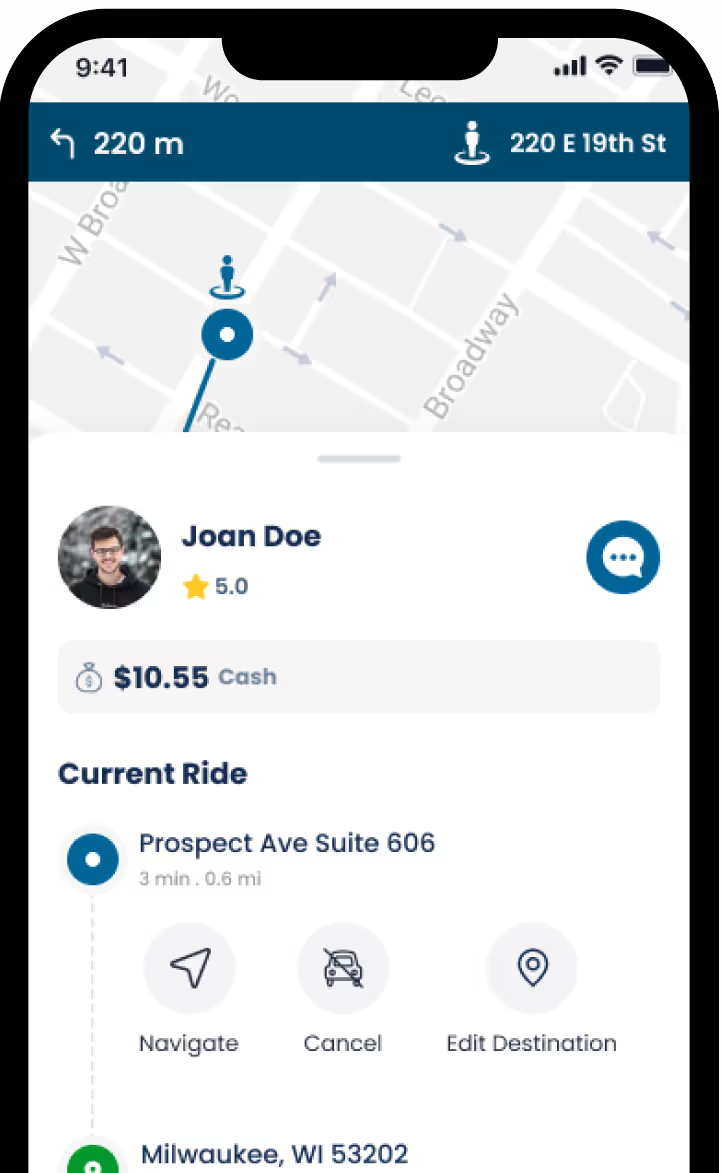
Real-time ride tracking is a must-have feature for any ride-hailing app. Users should be able to see their driver’s location on the map from the moment they book the ride until they arrive at their destination. This increases transparency and helps users feel more secure. Real-time updates, such as the ETA and any potential delays, should be visible as well.
Nothing turns users off faster than hidden charges. Your app should include a fare estimation feature, allowing users to know how much their ride will cost before confirming the booking. This feature ensures that users are not surprised by the final fare and adds a level of trust to your platform.
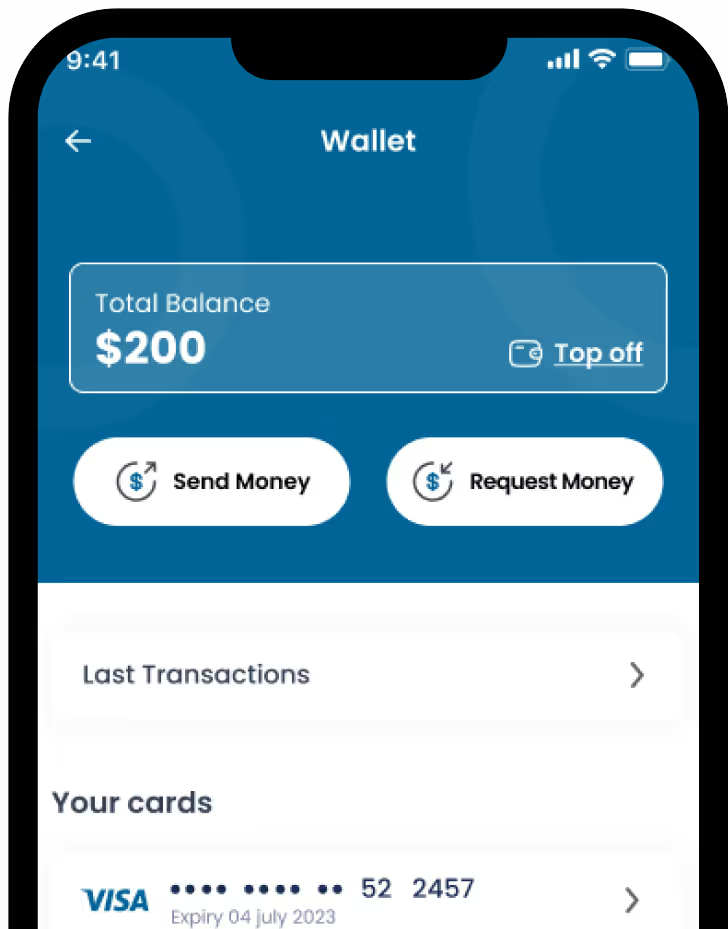
Today’s users expect convenience in all areas, and payment is no different. Providing various payment options, including credit cards, debit cards, PayPal, and mobile wallets, is crucial. Having these options available makes it easier for users to pay without any complications.
Your app should allow users to book a ride immediately or schedule one for a later time. The ability to book a ride in advance is particularly useful for people who need a ride to work or to an appointment.
The drivers are just as important as the users in this ecosystem. Without drivers, there are no rides! So, you need to ensure that drivers have the tools and features they need to stay engaged, efficient, and motivated.
Like the rider, the driver needs real-time navigation to get to the passenger’s location and then to the final destination. Integration with mapping services like Google Maps or Mapbox is essential. Clear, turn-by-turn directions will help prevent any confusion and delays during the ride.
Drivers want to track how much they are earning and see a detailed breakdown of their income over time. Your app should offer a feature where drivers can access detailed reports of their earnings, including completed rides, bonuses, and any other compensation.
One of the most important features for drivers is the ability to accept or reject ride requests. The app should allow drivers to receive notifications when a new ride request comes in, and they should be able to easily accept or reject the request with just a tap.
The admin panel is the command center for your ride-hailing app. This is where you will manage everything from user data to ride statistics. It’s essential to have a comprehensive and intuitive admin panel.
As the admin, you should be able to view and manage all users and drivers, including their profiles, ratings, and ride history. You should also be able to block or suspend users or drivers if necessary.
Your app should provide you with analytics on ride patterns, revenue generation, and app performance. This data will help you make informed decisions about where to expand or which areas need improvement.
Admin should be able to send important notifications to both drivers and users. These could include system updates, promotional offers, or even urgent alerts about service disruptions.
The tech stack you choose for your ride-hailing app plays a huge role in its performance, scalability, and reliability. Choosing the right technologies ensures that your app is able to handle thousands of simultaneous requests without crashing.
When it comes to mobile development, you have a few options. You can go for a native app approach, building separate apps for iOS and Android. This ensures the best performance but requires more resources. Alternatively, you could use cross-platform technologies like Flutter or React Native to build both apps at once, reducing time and costs.
The backend of your app is what supports all the core functions, including user data, ride requests, and payment processing. Some popular back-end technologies include Node.js, Ruby on Rails, and Python. You'll also need a database system, with options like MongoDB for flexibility or PostgreSQL for structured data.
Integrating third-party APIs is essential for features like map services (Google Maps, Mapbox), payment gateways (Stripe, PayPal), and push notifications. APIs allow you to add functionality without reinventing the wheel.
Now that you have a clearer understanding of the essential features, let's dive deeper into the development of the core features that will bring your app to life.
Your app should allow users to create an account using their email, phone number, or social media accounts (Google, Facebook). During registration, users should be able to add payment details, personal preferences, and their home address for quicker booking.
This is the backbone of your app. It’s what connects users with drivers. The system needs to be fast, efficient, and accurate. When a user requests a ride, the system should calculate the fare, notify nearby drivers, and assign the best match based on proximity and rating.
This feature ensures that users and drivers can track the progress of the ride in real time. GPS tracking should be accurate and responsive to user interactions. Additionally, users should receive push notifications about any delays or route changes during the ride.
Integrating payment systems like Stripe, PayPal, or even cryptocurrency options is crucial. The payment process should be seamless, secure, and transparent to users. Additionally, features like splitting the fare with other passengers can add value.
After every ride, both users and drivers should have the option to rate each other. A rating system encourages good behavior and provides feedback to both parties, which ultimately improves the user experience.
The backend is where all the magic happens. It handles ride data, user information, payment processing, and more. It should be able to handle thousands of requests simultaneously, especially in high-demand times. Choosing cloud services like AWS or Google Cloud ensures that your backend is scalable and secure.
Testing is an integral part of the development process. Before launching your app, you must conduct thorough testing to ensure everything works smoothly. Functional testing ensures that the app’s features work as expected, while performance testing makes sure that the app can handle high traffic.
Once your app is ready, the next step is to promote it! A solid marketing strategy includes social media campaigns, influencer marketing, paid ads, and local SEO. Getting your first few users is the hardest part, so focus on building a strong community and providing excellent service from day one.

Building a Bolt-like ride-hailing app is an ambitious but achievable goal. By focusing on essential features like real-time tracking, seamless payments, and intuitive interfaces, you can build an app that meets the needs of both riders and drivers. Zetaton, a leading ride-hailing app development company, can help you navigate the development process and ensure your app is optimized for success. Additionally, RideWyze offers a customizable, white-label solution that allows you to launch your own app with ease. Stay focused, build carefully, and market wisely—you’ll be on your way to success in no time!
Good luck, and happy app-building!
A Bolt-like app is a mobile platform that allows users to book rides from drivers on-demand, much like Uber or Lyft. It typically features geolocation, payment integration, user and driver profiles, and real-time ride tracking, aiming to provide a seamless and user-friendly transportation service.
Key features for building a Bolt-like app include real-time GPS tracking, ride booking, fare calculation, payment gateway integration, ride history, rating and feedback system, push notifications, and admin dashboards. Additionally, safety features like SOS buttons and driver verification should be included for user trust.
Building a Bolt-like app can take anywhere from a few months to over a year, depending on the complexity of features, design, and the development team’s expertise. The process typically involves stages like planning, design, development, testing, and deployment.
The process involves several steps: Researching the market and competitors. Defining the target audience and app functionalities. Designing user-friendly interfaces for both riders and drivers. Developing the back-end infrastructure for real-time tracking, payments, and communication. Testing and launching the app with a focus on bug-free performance. Marketing and continuously updating the app with new features based on user feedback.
You can monetize a Bolt-like app through several methods, such as charging a commission fee from drivers per ride, offering premium services like priority booking, or introducing subscription-based plans for riders. You can also include in-app advertisements or promote partnerships with local businesses.
Ready to elevate your ride-hailing business? RideWyze has the tools and expertise to help you succeed. Contact us for a personalized demo today!

Create a free account and get full access to all features for 30 days.No credit card needed. Trusted by over 4,000 Clients.


from 200+ reviews

Start your 30-day free trial.