Passenger

Team RideWyze Posted on 29 November 2024
In today's fast-paced world, convenience is key, and ride-hailing apps like Uber have transformed how we travel. With just a few taps on a smartphone, users can summon a ride, making transportation easier than ever. The emergence of such platforms has not only changed user expectations but has also led to the establishment of a competitive market that is ripe for new entrants.
It’s safe to assume that you have several on-demand transportation apps on your phone right now, which indicates the popularity of (or demand for!) these applications. More and more businesses are offering on-demand services in an attempt to disrupt the already-established big industry players. We've seen such successful efforts in the past with the impact of Airbnb on hotels or Uber on the traditional cab market.
As consumer behavior shifts toward a preference for instant service, the demand for ride-hailing apps continues to soar. These apps provide unparalleled convenience and accessibility, making them an integral part of urban life. The rapid adoption of smartphones and mobile technology has also fueled the rise of these platforms, allowing users to request rides anytime, anywhere.
According to Research and Markets, the on-demand market is projected to expand by an impressive $4.75 billion between 2022 and 2026, with a remarkable Compound Annual Growth Rate (CAGR) of 60.77%. If you're thinking about launching a new ride-sharing app, now is a promising time to do so. However, with competition intensifying, it's essential to approach on-demand app development strategically to deliver a solution that truly stands out in a crowded marketplace.Ask ChatGPT
Staying in tune with ride-hailing market trends is essential—especially for a platform like RideWyze that prioritizes user-centric innovation. With urban populations expanding and mobility needs becoming more diverse, users are actively seeking flexible, efficient, and budget-friendly transportation options. This creates a prime opportunity for RideWyze to make a meaningful impact by delivering smart ride-hailing solutions that fill key gaps in today’s evolving transportation landscape.Ask ChatGPT
Now that you understand the potential of the ride-hailing market, let’s dive into the specific steps to create your Uber-like app. Building a ride-hailing application involves a systematic approach that includes market research, defining your business model, and developing a minimum viable product (MVP).
Before developing your ride-hailing app, it's crucial to define the specific audience RideWyze aims to serve. Are you targeting daily urban commuters, long-distance travelers, or a niche segment such as premium luxury rides or sustainable, eco-friendly transportation options? Identifying the right target market allows RideWyze to tailor its features, pricing, and user experience to meet the unique needs of that audience—setting the foundation for long-term success.Ask ChatGPT
Clearly defining your target audience is key to shaping both RideWyze’s feature set and marketing strategy. Conducting user surveys or focus groups can provide valuable insights into rider and driver preferences. Consider important demographic factors like age, income level, and commuting patterns. For example, younger riders may prioritize affordability and app convenience, while working professionals might place greater emphasis on ride comfort, punctuality, and service reliability. Understanding these nuances allows RideWyze to create a more personalized and appealing ride-hailing experience.Ask ChatGPT
Demographic Segmentation: Understanding your audience’s characteristics—such as age, income, and lifestyle preferences—is essential for RideWyze to deliver personalized experiences and targeted marketing. For instance, millennials often seek budget-friendly and tech-savvy solutions, while older adults may prioritize safety, comfort, and reliability. Tailoring your messaging and features to suit these segments can significantly boost engagement and retention.
Geographic Segmentation: Evaluating the differences between urban and rural markets allows RideWyze to better serve regional transportation demands. Urban users may need fast, on-demand rides during rush hours, while rural areas might benefit from scheduled or long-distance ride options. Adapting your services to suit local infrastructure and commuter behavior helps RideWyze remain relevant across diverse geographic locations. Demographic Segmentation: Identify specific characteristics like age groups, income levels, and lifestyle preferences. This will help you craft targeted marketing messages. For example, millennials might be more inclined towards budget-friendly options, while older adults might prefer safety and convenience. Geographic Segmentation: Analyze urban versus rural settings and the unique transportation needs within different regions.
For instance, services may differ significantly between densely populated cities and suburban areas. Understanding local transportation dynamics can help you customize your services accordingly. Psychographic Segmentation: Understand the values and habits of your potential users. Are they environmentally conscious? Do they prioritize luxury? Tailoring your service to meet these psychological factors can set you apart. For instance, if you target eco-conscious users, consider implementing features like carbon offsetting for rides.
Choosing the right business model is crucial for your app’s success. Here are the common models in the ride-sharing industry:
Traditional Ride-Hailing: Users book rides via an app, and drivers earn based on the number of rides completed. This is the most straightforward model and often the easiest to implement. Uber operates on this model, providing a familiar framework for users and drivers alike.
Carpooling or Ride-Sharing: This model allows passengers to share rides and costs, reducing fares and increasing vehicle efficiency. It’s a great way to appeal to cost-conscious consumers. Companies like BlaBlaCar successfully utilize this approach, promoting social interaction among riders.
Subscription-Based Services: Users pay a monthly fee for a certain number of rides or unlimited access. This model can generate consistent revenue and encourage loyalty. Users who travel frequently might find subscription services more appealing, providing predictability in their transportation costs.
Corporate Accounts: Focus on offering services to businesses, providing rides for employees. Tailoring services for corporate clients can open up a lucrative market. Companies can partner with your app to provide transportation solutions for their employees, enhancing their overall value proposition.
Conduct thorough research to identify which model resonates most with your target audience. Analyze your competition to see what they are offering and where there are opportunities for differentiation. Understanding the nuances of each model will help you select the best fit for your market strategy.
Once you’ve outlined your business model, it’s time to develop a Minimum Viable Product (MVP). An MVP is a basic version of your app that includes essential features to attract early users.
User Registration: Ensure an easy signup process for users and drivers. Consider social media integration for seamless registration. The fewer barriers to entry, the higher the likelihood of user acquisition. Ride
Request and Matching: Real-time ride request functionality that matches users with nearby drivers is essential for efficiency. The speed of this process directly impacts user satisfaction, making it a critical feature.
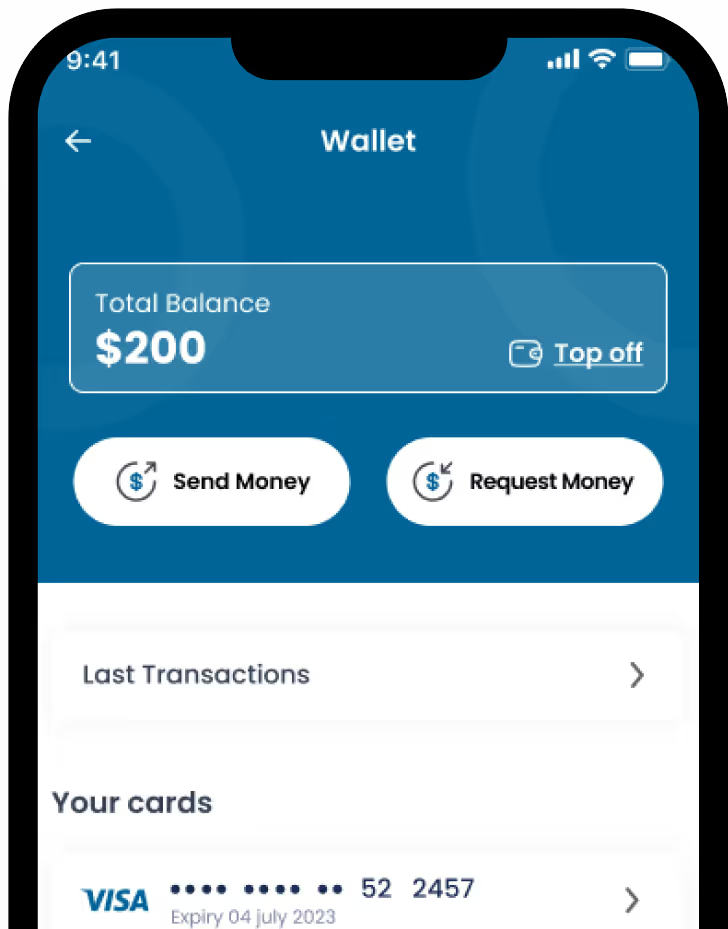
Payment Integration: Enable secure payment options, such as credit/debit cards, PayPal, and mobile wallets. A seamless payment experience can greatly enhance user satisfaction. Consider implementing a wallet feature for quick in-app transactions.
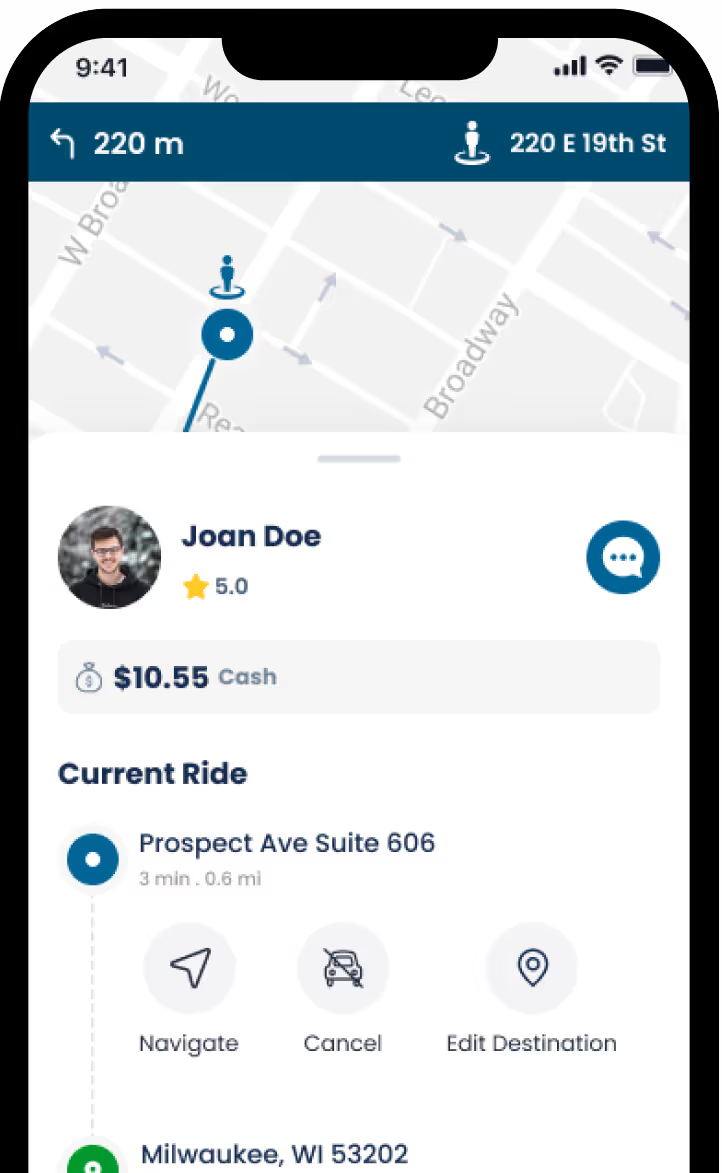
GPS Tracking: Allow users to track their rides in real-time for safety and convenience. Users should be able to see their driver’s location on a map, providing peace of mind. Driver and Rider Profiles: Create profiles for both drivers and passengers to build trust. Include ratings and reviews to enhance credibility. A transparent review system encourages accountability and improves service quality.
This phase is crucial for collecting user feedback and iterating on your app. Launching your MVP allows you to test the market and understand user behavior, which can inform your next steps. Embrace an agile development methodology to facilitate rapid iterations based on user feedback.
Now that you have your MVP, it’s time to launch your marketing strategy. Building awareness is vital for attracting users.
Social Media Campaigns: Leverage platforms like Facebook, Instagram, and Twitter to promote your app. Use targeted ads to reach your defined audience. Engaging content, such as user testimonials and promotional videos, can capture attention and drive downloads.
Referral Programs: Encourage existing users to refer friends in exchange for discounts or bonuses. This can create a viral effect and quickly increase your user base. Consider offering both the referrer and the new user a benefit to incentivize participation.
Partnerships: Collaborate with local businesses or events to increase visibility. For instance, partnering with a local event can introduce your app to a broader audience. Sponsoring community events can also build goodwill and brand recognition.
Content Marketing: Create engaging blog posts and videos that highlight the benefits of your app. Providing valuable content can improve SEO and drive organic traffic. Topics might include tips for safe rides, the environmental impact of ridesharing, or comparisons with traditional transportation options.
Effective marketing will help you gain traction in the competitive ride-hailing landscape. Focus on building a community around your app by engaging with users and encouraging feedback. Utilize analytics to measure the effectiveness of your marketing campaigns and adjust strategies as needed.
After your initial launch, the focus should shift to further development and growth. This includes enhancing features based on user feedback and expanding your service offerings.
Feature Enhancements: Continuously improve your app with new features like in-app communication, trip history, and loyalty programs. Regular updates keep users engaged and interested. Listening to user feedback and integrating their suggestions can significantly enhance user satisfaction.
Geographical Expansion: Once established in one area, consider expanding to new cities or regions. Conduct market research to identify the best locations for growth. Analyzing competitors in potential markets will also help in formulating a localized approach.
User Engagement: Keep users engaged with regular updates, promotions, and community events. Building a loyal user base is critical for long-term success. Consider hosting contests or challenges that encourage user interaction and create buzz around your app.
Adapting to user needs and market trends is essential for long-term success. Stay agile and open to change, using data analytics to inform your decisions. Keeping a close eye on user behavior and feedback will allow you to stay ahead of the competition.
In the digital age, fraud prevention is critical for maintaining user trust. Implement robust security measures to protect both users and drivers.
Identity Verification: Use verification tools for both drivers and users to ensure safety. This might include background checks and document verification for drivers. An added layer of identity confirmation can significantly enhance the trust factor.
Payment Security: Implement secure payment gateways and regular security audits. Encryption can protect user financial data. Partner with established payment processors to leverage their security features.
Monitoring and Reporting: Establish a system for monitoring rides and user behavior to detect fraudulent activity. Enable users to report suspicious activity easily. Transparency and responsiveness in addressing concerns can foster trust within your community.
Maintaining a secure platform is paramount for your app’s reputation and user satisfaction. Regularly update your security protocols to keep pace with evolving threats.
Creating an effective admin dashboard is crucial for managing your ride-hailing service. This tool will provide insights into user activities, driver performance, and overall app functionality.
User Management: Monitor user registrations, reviews, and feedback. Having access to user data helps in understanding behavior patterns and addressing concerns.
Driver Performance Metrics: Track driver ratings, earnings, and ride statistics. This information is vital for maintaining quality service. High-performing drivers should be recognized, while those underperforming may require additional support or training.
Operational Analytics: Analyze data to make informed decisions about marketing strategies, service areas, and feature enhancements. Utilize visual dashboards for quick insights into app performance. Leveraging data-driven decision-making can significantly enhance operational efficiency.
Investing in a robust admin dashboard will facilitate better operational management and strategic planning. This centralized control aids in enhancing user experience by addressing issues promptly and efficiently.

Conclusion Building a ride-hailing app like Uber requires a deep understanding of the market, strategic planning, and a focus on user experience. By defining your target audience, selecting an appropriate business model, and continuously iterating on your app, you can create a successful platform in this competitive landscape. Prioritize safety and reliability while enhancing features that meet user needs. With the right approach, your ride-hailing app can thrive in an evolving market and provide value to users.
The journey of building an app can be both exciting and challenging. By following these steps and continuously adapting to the market, you can establish a ride-hailing platform that not only competes with giants like Uber but also carves out its niche. Stay committed to innovation, prioritize user satisfaction, and foster a community around your app to ensure long-term success. The future of ride-hailing is bright, and with the right strategies, your app can shine in this dynamic industry.
To build a ride-hailing app like Uber, key features include user registration and profile management, real-time GPS tracking, ride request and booking functionalities, secure payment processing, driver and passenger ratings and reviews, push notifications, and in-app messaging. These features are essential for ensuring a smooth and efficient user experience.
To develop a ride-hailing app like Uber, a typical technology stack may include programming languages such as Swift or Kotlin for mobile app development, Node.js or Ruby on Rails for the backend, and a database like PostgreSQL or MongoDB. Additionally, incorporating third-party APIs for payment processing, mapping, and SMS notifications can enhance functionality.
The cost to build a ride-hailing app like Uber varies significantly based on factors such as app complexity, features, development team location, and the platforms targeted (iOS, Android, or both). Generally, the estimated cost can range from $50,000 to $300,000 or more, depending on these variables and the level of customization required.
The development timeline for a ride-hailing app like Uber typically ranges from 4 to 9 months. This timeframe includes phases such as market research, design, development, testing, and deployment. The duration may vary based on the project's complexity, the size of the development team, and the feedback loop during testing.
Some challenges faced when building a ride-hailing app like Uber include managing real-time data effectively, ensuring user safety and privacy, complying with local regulations, handling payment processing securely, and competing with established players in the market. Addressing these challenges requires thorough planning, skilled development, and ongoing maintenance and support.
Ready to elevate your ride-hailing business? RideWyze has the tools and expertise to help you succeed. Contact us for a personalized demo today!

Create a free account and get full access to all features for 30 days.No credit card needed. Trusted by over 4,000 Clients.


from 200+ reviews

Start your 30-day free trial.