Passenger

Team RideWyze Posted on 10 Dec 2025
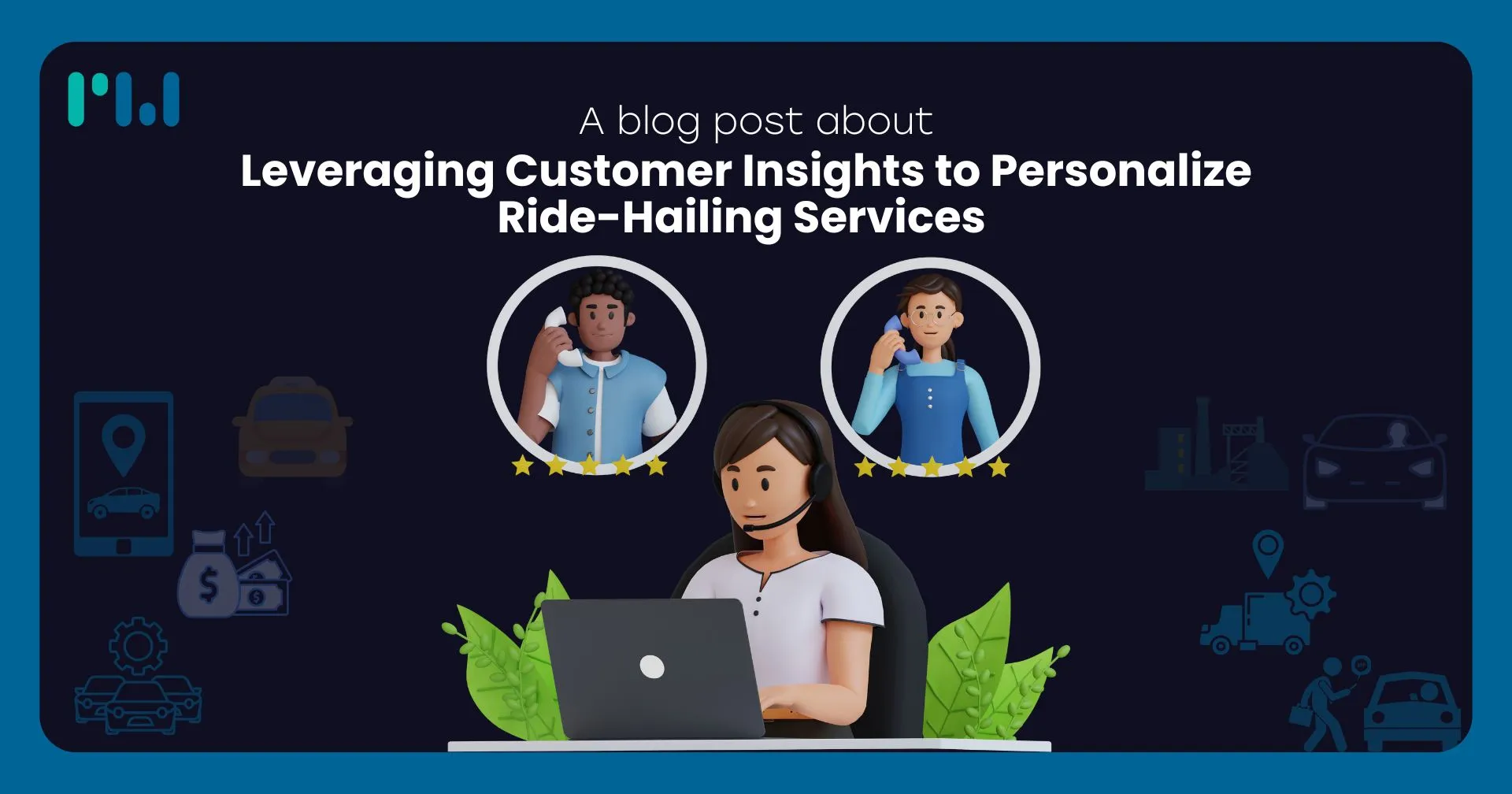
Have you ever noticed how your ride-hailing app seems to know exactly when you need a ride, where you’re going, and sometimes even what type of car you prefer? That’s not coincidence—it’s personalization driven by customer insights. In an era where convenience is king, ride-hailing companies like Uber, Lyft, Bolt, and DiDi are redefining mobility by turning data into delightful, user-centric experiences.
The global ride-hailing market, valued at over $150 billion in 2023, is forecasted to exceed $210 billion by 2029. Yet, the battle for market share isn’t just about price or speed—it’s about creating deeper, data-driven relationships with riders. By leveraging customer insights to personalize ride-hailing services, companies can transform ordinary trips into customized experiences that anticipate what users need, when they need it, and how they like it.
In this new frontier, data-driven personalization in taxi and ride-share apps is more than a competitive advantage—it’s a strategic necessity for growth, retention, and customer satisfaction.
Customer insights represent the heartbeat of personalization. They’re the distilled intelligence derived from rider behaviors, preferences, and interactions across various touchpoints. Every trip booked, payment made, or review written adds to a treasure trove of information. These insights enable companies to use rider data to customize ride-hailing experiences in meaningful ways.
For example:
This kind of micro-personalization fosters trust and convenience—two pillars that directly drive loyalty and repeat usage.
Transportation is no longer a one-size-fits-all industry—it’s a data-driven ecosystem. The rise of smart mobility and MaaS (Mobility-as-a-Service) has made data analytics the foundation for competitive strategy. Each GPS ping, completed trip, and user review helps ride-hailing platforms understand patterns like:
By merging GPS telemetry fusion with machine-learning rider segmentation, companies can deliver smarter pricing, optimized driver allocation, and even contextual push notifications based on live conditions such as weather or traffic. This dynamic use of data ensures not only efficiency but also a sense of personal connection between the user and the service.
Analytics transform raw data into actionable intelligence. By observing user interactions across thousands—or even millions—of trips, platforms identify behavioral trends that reveal what riders truly value.
This process goes beyond demographics like age or income. It incorporates behavioral segmentation, which studies things like frequency of trips, preferred ride types, or time-of-day patterns. Using these insights, companies can deploy:
When analytics is combined with empathy, personalization stops being intrusive and starts being empowering.
Modern ride-hailing personalization is about connecting with riders on a human level through technology. Here’s how data insights are shaping individualized experiences:
These tailored experiences help users feel valued—not just another number in an app.
At the core of personalization lies a multi-stage process designed to transform data into insights and insights into experiences:
Artificial Intelligence amplifies personalization by spotting trends that humans might miss. For instance, predictive analytics can:
By reducing ride-hailing churn through predictive analytics, companies not only improve retention but also optimize operational efficiency—resulting in fewer idle vehicles and happier customers.
When your app shows a “Your usual ride to work” button, that’s not a random feature—it’s AI anticipating your intent. These smart shortcuts reduce booking friction and can make the process up to 3 seconds faster, creating a seamless, intuitive experience that riders love.
Promotions used to be one-size-fits-all. Now, hyper-personalized offers use behavioral data to reach the right user at the right time. For example:
This targeted approach leads to measurable results—some companies have reported a 24% uplift in weekend ride volume and 40% higher retention rates due to customized campaigns.
Modern users crave relevant communication, not spam. Ride-hailing apps now deliver contextual push notifications that adapt to current circumstances—like bad weather or local events.
For instance:
“It’s raining in your area—stay dry with 15% off your next ride.”
This shift toward smart, context-driven marketing strengthens emotional connections and boosts engagement.
Familiarity builds comfort. Many riders appreciate being paired with their preferred drivers, especially for daily commutes. Similarly, offering car-type preferences (like EVs or luxury sedans) enhances satisfaction and builds brand trust.
This personalized matching can even increase driver ratings—since comfort and consistency lead to happier passengers.
With the help of geo-intelligence, ride-hailing platforms can detect high-traffic pickup points and tailor experiences accordingly. Offering location-aware loyalty discounts near airports, malls, or events encourages spontaneous bookings while supporting local economies.
It’s a win-win: users get deals, and businesses gain foot traffic.
Real-time data streams enable companies to adjust in the moment. For instance, if an area experiences sudden demand spikes due to an event, predictive algorithms can redirect idle drivers or adjust pricing dynamically.
Such behavioral demand forecasting algorithms ensure both drivers and riders enjoy smoother, more balanced service availability.
Safety is a major pillar of trust. Analyzing rider feedback and trip telemetry allows platforms to detect aggressive driving, unsafe zones, or recurring complaints. Personalized interventions—like reassigning safer routes or issuing driving tips—help ensure passenger comfort.
Moreover, features like in-app SOS buttons, real-time tracking, and trusted contact sharing add layers of personalized safety assurance.
AI and ML form the brain of personalization. These technologies analyze millions of data points—from click behavior to trip duration—to continuously refine user experiences.
Automation handles everything from:
AI also enables chatbots to deliver natural, human-like assistance, resolving rider issues instantly.
With the integration of IoT (Internet of Things), ride-hailing apps can communicate with smart-city infrastructure—traffic lights, parking systems, and public transport data. This synergy allows for multimodal journey personalization, blending bikes, scooters, and ride-shares for sustainable commuting.
All these features rely on robust cloud architecture. Platforms must ensure GDPR-compliant consent management and transparent privacy policies to retain user trust. Cloud data lakes not only improve storage efficiency but also enable real-time analytics for global scalability.
Riders who feel seen and valued stick around longer. Studies reveal that personalized promos can lead to a 40% increase in retention, while average spend per loyal user climbs to $68 monthly.
Such loyalty doesn’t just boost revenue—it creates ambassadors who promote the brand organically.
Personalization isn’t just about satisfaction; it’s a revenue powerhouse. By offering hyper-relevant promotions, platforms increase booking frequency and in-app purchases. Lyft’s targeted rewards system, for example, generated millions in incremental monthly revenue through better user engagement.
Predictive algorithms solve empty back-hauls (drivers returning without passengers) and optimize matching, reducing fuel waste and improving driver earnings. This efficiency translates to faster service, lower costs, and improved margins.
The biggest challenge lies in balancing personalization with privacy. Collecting detailed user data can backfire if mishandled. Compliance with GDPR, CCPA, and regional laws is non-negotiable. Ethical data usage—focusing on transparency and user consent—remains the foundation of sustainable personalization.
Disparate data sources can limit the effectiveness of analytics. Merging inputs from drivers, riders, customer support, and sensors into a cohesive system requires careful planning. Without clean, unified data, even the best AI models produce inaccurate results.
There’s a fine line between helpful and intrusive. Bombarding users with overly specific suggestions may feel creepy rather than convenient. The solution lies in context-aware personalization that balances precision with subtlety.
Encouraging riders to rate not only trips but also app experiences provides valuable feedback. Continuous learning loops allow algorithms to adapt quickly, improving recommendations and customer satisfaction over time.
When data scientists, marketers, and UX designers collaborate, personalization evolves beyond algorithms—it becomes storytelling. This alignment ensures every decision resonates emotionally as well as functionally.
Rider habits change with time, job shifts, or lifestyle updates. Dynamic personalization ensures algorithms stay relevant by continuously refreshing user profiles and re-segmenting data clusters.
Imagine your app booking your ride before you even open it—because it syncs with your calendar, knows your work hours, and checks traffic ahead. That’s the future of predictive personalization in MaaS, where convenience becomes proactive.
Future mobility ecosystems will merge smart-city IoT systems, EV preference profiling, and real-time environmental data to create sustainable, personalized travel options. Riders could soon receive suggestions like:
“Your usual EV ride is available. Book now to save 20% and reduce CO₂ emissions.”
This fusion of personalization and sustainability marks the next great leap in transportation innovation.
The evolution of ride-hailing has moved far beyond simple pick-ups and drop-offs. Today, success depends on how intelligently companies leverage customer insights to personalize ride-hailing services. By harnessing AI, predictive analytics, and real-time data, mobility platforms are redefining convenience, safety, and sustainability.
Personalization isn’t just about delivering a ride—it’s about delivering relevance. The companies that master this art will lead the next generation of urban mobility, turning everyday commutes into experiences that feel intuitive, empathetic, and unmistakably human.
Because in the world of ride-hailing, the future doesn’t just know where you’re going—it knows you.
Customer insights help personalize ride-hailing services by analyzing user behavior, ride history, and preferences to create more customized experiences. For example, ride-hailing platforms like Uber and Lyft use customer analytics to suggest preferred car types, favorite routes, and even timing for rides. By leveraging these insights, companies can anticipate needs—such as offering morning commute discounts or suggesting faster routes—making every trip more convenient and enjoyable for the rider.
AI plays a crucial role in using rider data to customize ride-hailing experiences by identifying patterns and predicting future behaviors. Through machine-learning algorithms, ride-hailing apps can understand how often users ride, which destinations they visit most, and what kind of vehicles they prefer. This allows platforms to deliver AI-powered route recommendations, send contextual push notifications, and even adjust real-time surge pricing based on rider history, resulting in smoother, more relevant experiences.
Predictive analytics reduces ride-hailing churn by identifying users who may be at risk of leaving and proactively engaging them with personalized offers or promotions. For instance, if a rider’s usage frequency drops, the platform can send tailored rewards or loyalty discounts to re-engage them. This approach not only keeps customers loyal but also ensures that they feel valued and understood—key factors in preventing churn and maintaining long-term satisfaction.
Location-based promotions are effective in ride-hailing personalization because they tap into real-time context, delivering value exactly when and where it’s needed. When apps offer discounts near airports, event venues, or shopping malls, they align with user intent and increase booking likelihood. For example, a push notification saying, “Heading to the concert? Save 20% on your next ride,” uses both customer insights and geo-data to personalize the experience and drive instant engagement.
Leveraging customer insights improves the overall ride-hailing experience by transforming data into meaningful, user-focused enhancements. By analyzing rider preferences, feedback, and habits, companies can deliver features like preferred drivers, personalized offers, and real-time support. This not only boosts satisfaction but also builds a sense of trust and reliability—turning ride-hailing from a simple service into a personalized mobility experience tailored to each individual.
Ready to elevate your ride-hailing business? RideWyze has the tools and expertise to help you succeed. Contact us for a personalized demo today!

Create a free account and get full access to all features for 30 days.No credit card needed. Trusted by over 4,000 Clients.


from 200+ reviews

Start your 30-day free trial.