Passenger

Team RideWyze Posted on 17 April 2025
Ride-hailing apps have completely transformed urban mobility, making transportation more convenient, affordable, and efficient. With platforms like Lyft and Uber dominating the market, users can now book rides at their fingertips, eliminating the need for traditional taxis. The rise of these apps is fueled by advancements in mobile technology, real-time GPS tracking, and cashless transactions.
The increasing demand for ride-hailing services is driven by urbanization, changing consumer behavior, and the need for efficient transportation solutions. Additionally, ride-hailing apps have expanded beyond just passenger transport; they now include food delivery, logistics, and even healthcare-related services, making them an integral part of the gig economy.
A Lyft clone presents an excellent business opportunity for entrepreneurs looking to tap into the ride-hailing market. Developing a Lyft-like app allows businesses to leverage a proven business model while offering customization to meet unique customer needs. With the right whitelabel solution, you can launch a competitive ride-hailing platform without the high costs and long development times associated with building an app from scratch.
Creating a Lyft clone also allows businesses to introduce unique features and cater to niche markets. For example, companies can launch ride-hailing apps tailored for women, corporate employees, or specific geographic regions. Furthermore, as mobility trends evolve, integrating electric vehicle rides and eco-friendly transportation solutions can give your Lyft clone a competitive edge.
Lyft operates as a peer-to-peer transportation network that connects passengers with drivers. The platform allows users to request a ride via a mobile app, match them with nearby drivers, and process payments seamlessly. Both passengers and drivers benefit from a rating system that ensures service quality.
Lyft's seamless ride experience is backed by advanced algorithms that match passengers with the nearest available drivers based on their location, ride preferences, and traffic conditions. The company also employs surge pricing during peak hours to balance supply and demand, ensuring efficient service availability.
Lyft generates revenue through multiple streams, including:
Understanding the target audience and competitors helps define a unique selling proposition (USP). Identifying potential market gaps ensures the success of your ride-hailing app. Studying the behavior of users, analyzing pricing models, and considering legal implications are also crucial.
Selecting appropriate technologies ensures app performance and scalability. Common tech stacks include:
A user-friendly interface enhances the customer experience. Prioritizing intuitive navigation, engaging design, and seamless functionality is crucial. The user interface should be simple yet effective, ensuring that both passengers and drivers can use the app with ease.
Building robust APIs, integrating GPS tracking, and implementing secure payment processing are key steps in backend development. A well-structured backend ensures smooth data communication between the passenger app, driver app, and admin panel.
Before launching the app, rigorous testing (functional, security, and performance testing) ensures a smooth user experience. Beta testing with real users helps in gathering feedback and making necessary improvements.
Building a successful Lyft clone requires thorough planning, advanced technology, and strategic marketing. A whitelabel solution offers cost-effective and faster deployment options, making it ideal for entrepreneurs. By leveraging a proven business model, businesses can enter the ride-hailing industry with reduced risks and optimized operations.
To ensure long-term success, entrepreneurs must focus on scalability, security, and compliance. Integrating AI-driven route optimization, electric vehicle support, and safety features will further enhance the app's appeal. As the ride-hailing industry continues to evolve, businesses must stay updated with emerging trends and adapt their strategies accordingly.
Additionally, marketing efforts such as promotions, referral programs, and loyalty rewards will play a crucial role in attracting and retaining customers. Businesses should also explore expansion opportunities, such as corporate ride services and partnerships with public transport networks, to widen their market reach.
With RideWyze leading the way in Lyft clone app development, businesses can leverage its expertise to launch a high-quality, fully customized ride-hailing platform. By focusing on innovation, security, and scalability, you can establish a competitive presence in the rapidly evolving ride-hailing industry.
A Lyft clone app is a pre-built, customizable software solution that mimics the core features of Lyft, including ride booking, real-time tracking, driver management, and payment integration, allowing businesses to launch their own ride-hailing service quickly.
A whitelabel Lyft app is a ready-made app that can be rebranded with your own company name, logo, and color scheme, giving the appearance of a custom-built solution without developing it from scratch.
Startups choose Lyft clone apps because they are cost-effective, time-saving, and scalable. These apps come with essential ride-hailing features pre-integrated, allowing faster market entry and reduced development risks.
Yes, most whitelabel solutions are fully customizable. You can add or modify features, adjust user interfaces, and integrate local payment gateways or additional modules like fleet management or loyalty programs.
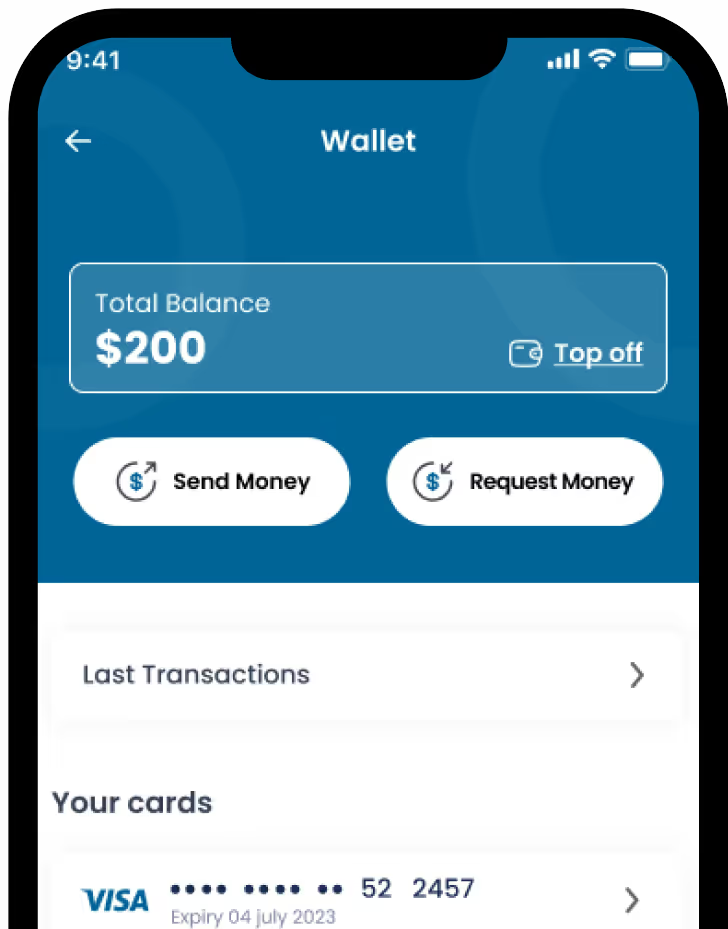
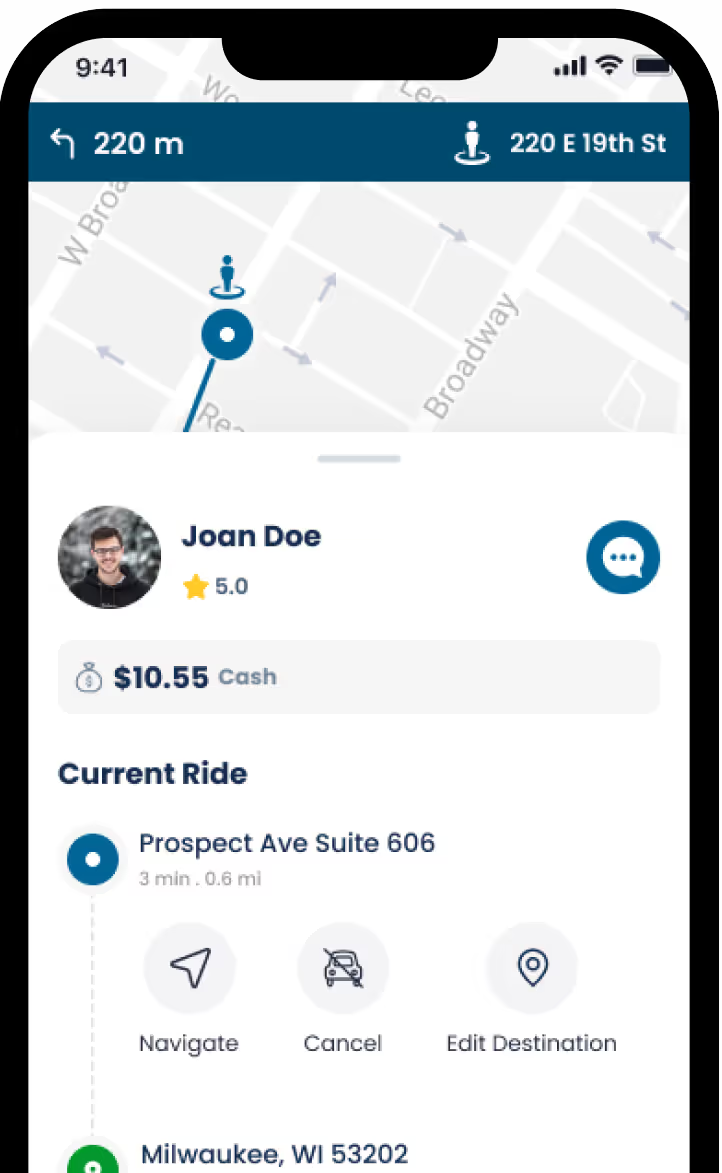
A robust Lyft clone app includes user and driver apps, an admin dashboard, features like real-time GPS tracking, fare calculation, ride scheduling, in-app chat, payment processing, and ratings & reviews.
Ready to elevate your ride-hailing business? RideWyze has the tools and expertise to help you succeed. Contact us for a personalized demo today!

Create a free account and get full access to all features for 30 days.No credit card needed. Trusted by over 4,000 Clients.


from 200+ reviews

Start your 30-day free trial.