Passenger
Team RideWyze Posted on 20 May 2025
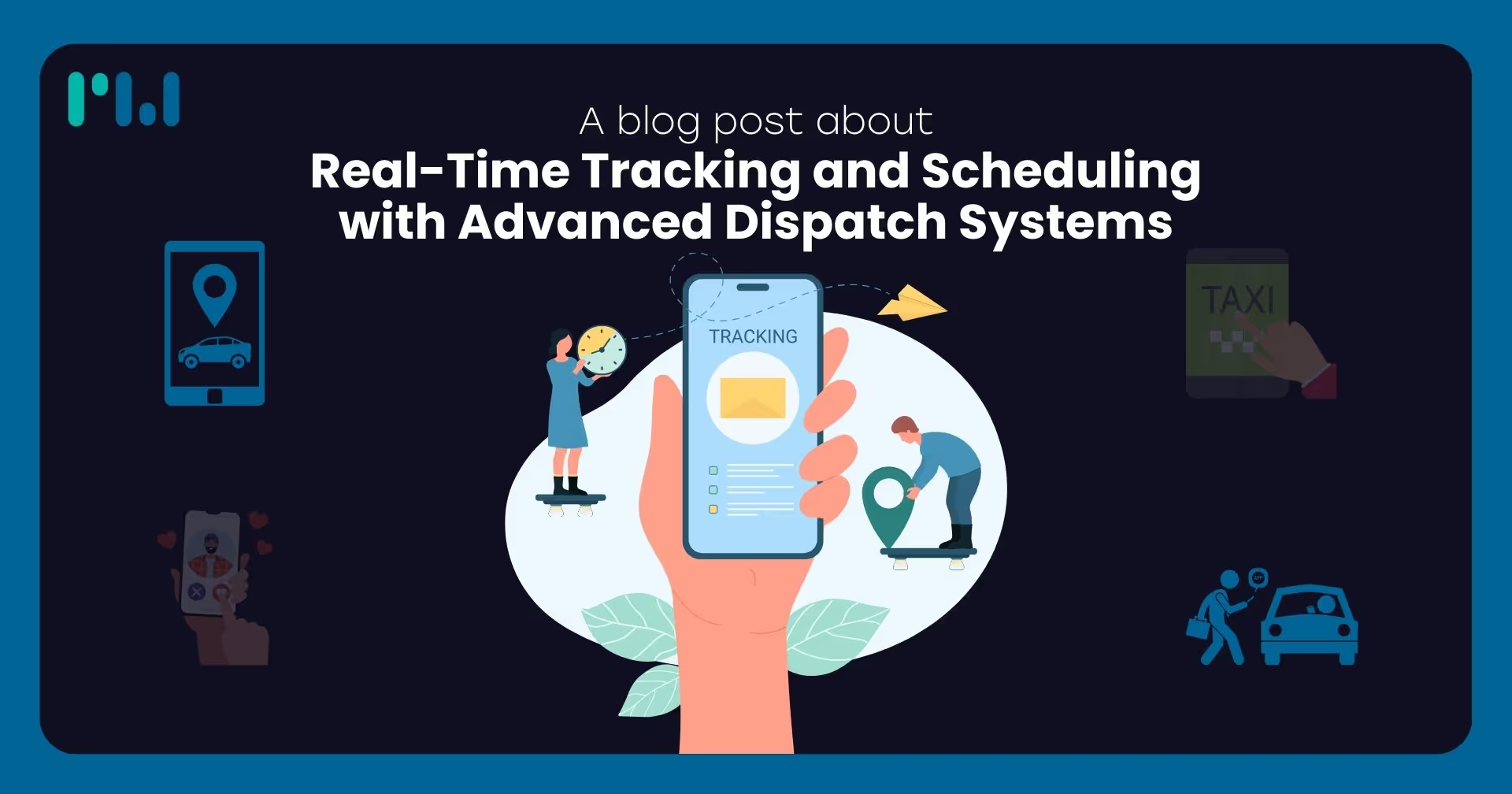
A dispatch system is a technological solution that helps organizations coordinate and manage their fleet of vehicles, drivers, or any mobile workforce. It acts as the command center where dispatchers can oversee all operations, assign tasks, monitor progress, and ensure that resources are being used effectively. Dispatch systems are essential in industries like logistics, public transportation, emergency services, and ride-hailing, where seamless coordination is critical for success.
Advanced dispatch systems go beyond simple task allocation. They integrate features like real-time tracking, route optimization, scheduling, and communication tools. By collecting and analyzing data in real time, these systems help organizations make smarter decisions, reduce costs, and improve customer service. In industries like ride-hailing and delivery services, where speed and precision are crucial, advanced dispatch systems are indispensable.
In today’s world, where customer expectations are higher than ever, advanced dispatch systems ensure that services are delivered quickly and efficiently. These systems enable businesses to stay competitive and adaptable in an ever-changing environment. Real-time tracking and scheduling are two of the most powerful features that make these systems stand out.
Real-time tracking allows businesses to know exactly where their vehicles or workforce are at any given moment. This is crucial in industries like transportation, logistics, and field services, where time-sensitive tasks must be managed. Without real-time visibility, dispatchers are left guessing, and inefficiencies arise. Real-time tracking improves accountability and transparency, as it enables managers to monitor the performance of their teams.
For example, in a ride-hailing business, knowing where a driver is located in real time helps the dispatcher determine the best driver for an incoming request. This not only reduces response time but also enhances customer satisfaction. Real-time tracking also provides the ability to react quickly to unforeseen circumstances, such as traffic delays or vehicle breakdowns, ensuring that operations are not disrupted.
Moreover, real-time tracking technology allows for better resource management. Businesses can track vehicle utilization, determine the most efficient routes, and identify patterns in data that could be used to improve operations. By knowing where drivers or vehicles are at all times, businesses can ensure that they are making the most of their resources.
While tracking is about visibility, scheduling is about efficiency. Advanced dispatch systems integrate real-time tracking with smart scheduling to ensure that the right resources are deployed at the right time. Scheduling involves assigning tasks to specific drivers, routes, or vehicles based on availability, capacity, and location.
With traditional scheduling methods, dispatchers manually assign tasks based on knowledge and experience. However, as fleets grow larger and customer demands increase, manual methods become ineffective. Advanced dispatch systems use algorithms that consider factors like traffic, weather, driver availability, and customer preferences. These systems can adjust schedules in real-time, reassigning tasks as necessary and ensuring that resources are optimized.
For example, if a ride-hailing service experiences a surge in demand in a particular area, the system can automatically adjust schedules, rerouting drivers to high-demand locations. This ensures that customers aren’t left waiting and that the fleet is used effectively.
The integration of real-time tracking with scheduling enables businesses to adapt to changes quickly. Whether it’s an unexpected delay or a last-minute job request, smart scheduling allows organizations to respond proactively. It’s about maintaining a balance between customer needs, resource availability, and efficiency.
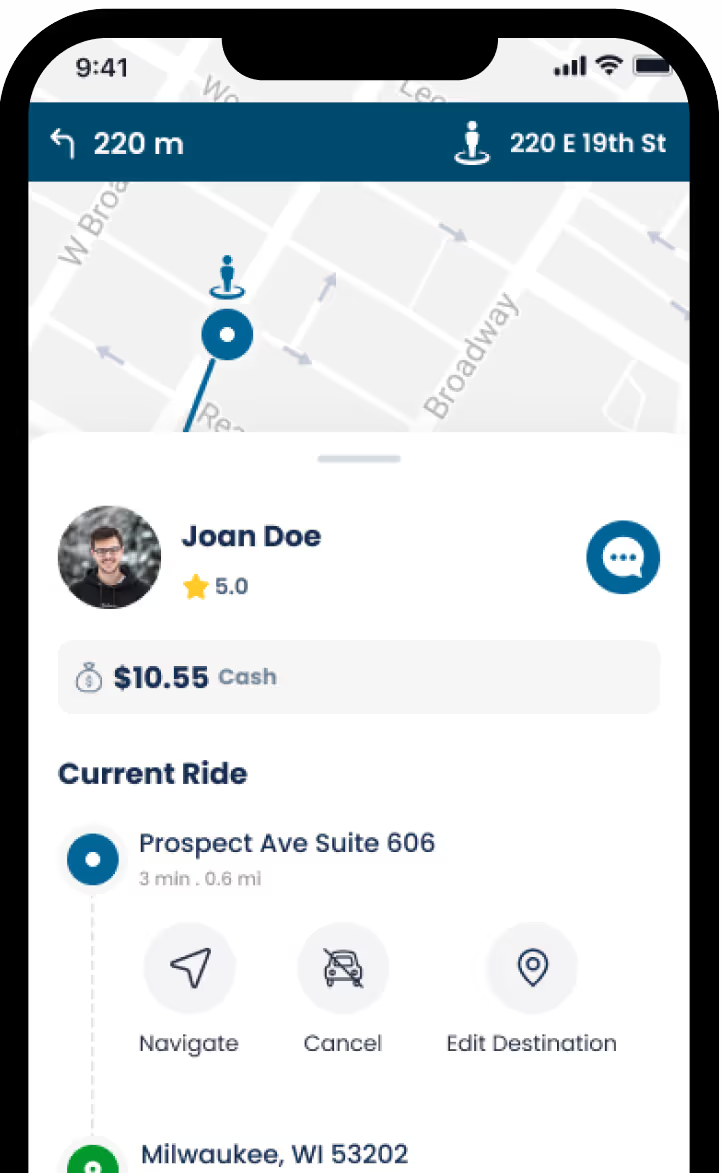
GPS tracking is at the core of real-time dispatching. It allows businesses to monitor the exact location of each vehicle in the fleet in real time. This technology has revolutionized how organizations manage their operations, as it provides valuable data on the whereabouts of drivers, vehicle speed, and the route taken.
For businesses, GPS tracking is not just about knowing where a vehicle is; it's about using that information to make smarter decisions. By tracking vehicles, businesses can avoid sending drivers into congested areas, help them avoid traffic, and ensure the fastest possible delivery times.
GPS-enabled dispatch systems also contribute to safety by enabling fleet managers to monitor driver behavior, such as speeding or harsh braking, and address any issues immediately.
For companies managing large fleets, GPS tracking makes it possible to ensure that the fleet is operating efficiently and that vehicles are being used to their full potential. Moreover, with real-time tracking data, businesses can estimate arrival times more accurately and provide customers with precise updates.
Routing algorithms are essential for optimizing the routes that drivers take. Advanced dispatch systems use algorithms that process real-time data—such as traffic conditions, weather forecasts, and road closures—to determine the best route for each vehicle. These algorithms help businesses avoid bottlenecks, minimize delays, and reduce operational costs by finding the most efficient paths.
When routes are optimized, drivers spend less time on the road, leading to reduced fuel consumption and wear on vehicles. For ride-hailing services, this also means shorter waiting times for passengers and faster service. Routing algorithms can also adjust in real time as conditions change, rerouting drivers as necessary to avoid accidents, roadwork, or traffic jams.
By leveraging these intelligent routing solutions, businesses can ensure that drivers take the fastest, safest, and most fuel-efficient routes. This not only improves efficiency but also reduces the environmental impact of their operations.
Effective communication is key in any business, but especially in industries like transportation, where drivers need to stay connected with dispatchers and other team members. Advanced dispatch systems often include built-in communication tools that enable two-way messaging between drivers and dispatchers.
These tools allow dispatchers to send real-time updates to drivers about route changes, customer requests, or unexpected events. In addition, drivers can report issues, ask for assistance, or provide updates on their progress. This real-time communication helps address problems immediately, minimizing delays and improving overall operations.
Real-time updates are one of the most powerful features of advanced dispatch systems. These updates keep drivers instantly informed about any changes in their schedules or routes. For instance, when a new customer request comes in or there’s an unexpected traffic jam, dispatchers can send instant notifications through the system, allowing drivers to make quick adjustments.
This constant flow of communication ensures that operations stay smooth, disruptions are minimized, and surprises are avoided. With platforms like Ridewyze, these real-time notifications are automated and integrated into the dispatching workflow, helping businesses maintain precision and responsiveness at every stage of their delivery or transport process.
Analytics and reporting tools provide deep insights into business operations. By monitoring driver performance, vehicle maintenance, and fuel usage, companies can identify inefficiencies and uncover opportunities for improvement. Advanced data dashboards in modern systems allow managers to visualize performance trends, forecast demand peaks, and optimize fleet allocation more effectively.
For example, if reports indicate that a certain route regularly causes delays, businesses can refine their routing algorithms or scheduling strategies. The combination of real-time and historical data allows organizations to make smarter, data-driven decisions that improve service quality while cutting unnecessary costs.
Efficiency is at the heart of every successful business. With real-time tracking, dispatchers can base their decisions on live location data rather than assumptions. This allows for intelligent resource allocation and minimizes idle time by ensuring every vehicle is productively engaged—whether delivering goods or transporting passengers.
Solutions like Ridewyze’s real-time dispatch platform enable businesses to complete more jobs in less time while maintaining accuracy and reliability.
Transportation-based businesses often face rising operational costs—but real-time tracking helps keep them under control. By optimizing routes, companies can reduce fuel consumption and minimize wear and tear on vehicles. Monitoring driver behavior also helps identify costly habits like idling or harsh acceleration.
In the long run, data collected through systems like Ridewyze supports preventive maintenance scheduling and fleet optimization, resulting in consistent cost savings and enhanced productivity.
Customer expectations for transparency and reliability are higher than ever. Real-time tracking allows companies to provide accurate ETAs and live status updates, boosting customer trust. For ride-hailing platforms, the ability for users to track their ride in real time enhances safety, convenience, and satisfaction—especially during busy hours.
By integrating customer-facing tracking and real-time notifications, businesses powered by Ridewyze can strengthen loyalty and elevate the overall service experience.
Dynamic scheduling empowers businesses to adapt on the fly. If a driver becomes unavailable or a customer cancels a booking, the system instantly reassigns vehicles or adjusts the route plan. This agility is especially crucial in ride-hailing, logistics, and emergency services, where every second counts.
With Ridewyze’s integrated approach, dynamic scheduling ensures businesses remain efficient and responsive even when faced with unexpected challenges.
Automation takes efficiency to the next level. Instead of relying on manual job assignment, automated dispatch systems intelligently allocate tasks based on driver location, availability, and workload. This reduces human error and speeds up response times.
By automating repetitive processes, dispatchers can focus on strategic decision-making, such as handling exceptions or improving service delivery. Ridewyze’s automation tools make this transition seamless—improving coordination and reducing operational strain.
Traffic congestion and sudden route changes are inevitable, but advanced dispatch solutions help mitigate their impact. With continuous monitoring of live traffic conditions, Ridewyze’s platform reroutes drivers in real time, avoiding bottlenecks and maintaining punctuality.
Integrating external data such as weather forecasts, construction alerts, and accident reports allows businesses to proactively plan detours before disruptions occur. Predictive analytics make it possible to anticipate and solve issues before they affect delivery timelines.
Accurate data is the foundation of effective real-time tracking. While GPS tracking is highly reliable, occasional issues like weak signals or outdated map data can impact performance. To overcome this, businesses should use systems that integrate multiple data sources, including GPS, traffic sensors, and satellite imagery.
Ridewyze enhances tracking accuracy with AI-powered calibration and continuous system updates, ensuring consistent precision and reliability. Regular maintenance and technology upgrades further guarantee optimal tracking performance.
Real-time tracking and scheduling are transforming how modern fleets operate. From GPS tracking and dynamic routing algorithms to automated scheduling and instant notifications, these technologies empower businesses to run smarter, faster, and more cost-effectively.
By embracing systems like Ridewyze’s advanced dispatch solutions, companies can improve operational visibility, enhance safety, and deliver outstanding customer experiences.
In industries where timing and coordination make all the difference, real-time intelligence is no longer optional—it’s essential. And as technology evolves, Ridewyze continues to lead the way in helping businesses stay agile, efficient, and ahead of the competition.
Real-time tracking in advanced dispatch systems refers to the live monitoring of vehicle locations and driver statuses, allowing dispatchers to manage operations with up-to-the-minute accuracy.
Real-time scheduling improves dispatch efficiency by automatically adjusting routes and timelines based on current traffic, cancellations, or delays, ensuring optimal service delivery.
Real-time tracking is important for customer satisfaction because it offers transparency, accurate ETAs, and proactive communication, helping build trust and reduce uncertainty.
Yes, small businesses can benefit from advanced dispatch systems with real-time features by streamlining logistics, improving fleet coordination, and enhancing service reliability without large overhead costs.
You should look for features like live GPS tracking, automated scheduling, route optimization, driver communication tools, and analytics dashboards in a real-time dispatch system.
Ready to elevate your ride-hailing business? RideWyze has the tools and expertise to help you succeed. Contact us for a personalized demo today!

Create a free account and get full access to all features for 30 days.No credit card needed. Trusted by over 4,000 Clients.


from 200+ reviews

Start your 30-day free trial.