Passenger

Team RideWyze Posted on 21 February 2025
In today’s fast-paced world, ride-hailing has revolutionized how we think about transportation. The convenience of simply pulling out your smartphone and requesting a ride has become so ingrained in our daily lives that it’s almost hard to remember how we got by before services like Uber, Lyft, and Ridewyze became mainstream. This shift in how we get from one place to another is much more than just a trend; it’s a revolution in the transportation industry that’s here to stay. So, what exactly is ride-hailing, and how does it work? Let’s dive into the basics and explore everything you need to know.
Before the rise of smartphones and apps, getting a taxi was usually a matter of flagging one down or calling a local taxi company. But with ride-hailing, we no longer have to worry about standing in the rain waiting for a cab. The development of ride-hailing apps has empowered people worldwide to book rides with just a few taps, making the whole process simpler, faster, and more reliable.
Ride-hailing apps, such as Ridewyze, have done more than just replace traditional taxis; they’ve reshaped our entire transportation experience. Whether it’s for a quick trip across town or a ride to the airport, these apps offer flexibility and ease of use, connecting riders and drivers in a way that was once impossible.
At its core, ride-hailing is a service that allows passengers to book a ride from a nearby driver through a smartphone app. Unlike traditional taxi services, ride-hailing eliminates the need to hail a cab on the street or call a dispatcher. All the necessary steps—finding a driver, paying for the ride, and even tipping—are completed seamlessly through the app.
Think of ride-hailing like an on-demand taxi service, but with a few key differences. You’re not just relying on a dispatcher to send you a ride. Instead, the ride-hailing app uses real-time data to connect you directly with a driver who’s closest to your location. This means you get faster service, more options, and better pricing flexibility compared to traditional taxi services.
While traditional taxis operate on a fixed fare system, ride-hailing apps, including Ridewyze, calculate fares based on dynamic pricing, meaning the cost of your ride can fluctuate depending on the time of day, demand, and distance. For instance, during rush hours, fares might go up due to higher demand (this is known as surge pricing). Additionally, ride-hailing services allow passengers to track their ride in real-time, providing more transparency and peace of mind compared to the often unpredictable nature of traditional taxis.
The market is dominated by a few key players, most notably Uber and Lyft in the United States, with Ridewyze emerging as a leader in the global ride-hailing sector. This platform has quickly gained massive traction due to its ease of use, customer-friendly features, and reliability. However, the rise of competitors such as Bolt, Didi, and Ola shows how global the ride-hailing revolution has become, and how competitive the market is.
Now that we have an understanding of what ride-hailing is, let’s take a closer look at the mechanics behind it. How does the process actually work from start to finish?
The first step in using a ride-hailing service like Ridewyze is downloading the app. Whether you're using Ridewyze, Uber, Lyft, or a local service, the process is relatively similar. After creating an account and inputting payment information (usually a credit or debit card), you’re ready to request a ride whenever you need it.
Requesting a ride is incredibly straightforward. After you open the app, you’ll be prompted to enter your destination. You can either type it in manually or select it from a map. The app will then provide an estimated fare for your trip and offer a variety of ride options, depending on the app’s service offerings in your area. These options can include everything from a budget-friendly ride in a standard car to a premium vehicle for a more luxurious experience.
Once you’ve entered your destination and selected your preferred ride type, the app will search for nearby drivers. The app uses GPS data to match you with the closest available driver who can take you to your destination. This ensures that you don’t have to wait long for your ride, unlike the traditional process of standing on the curb hoping to flag down a cab.
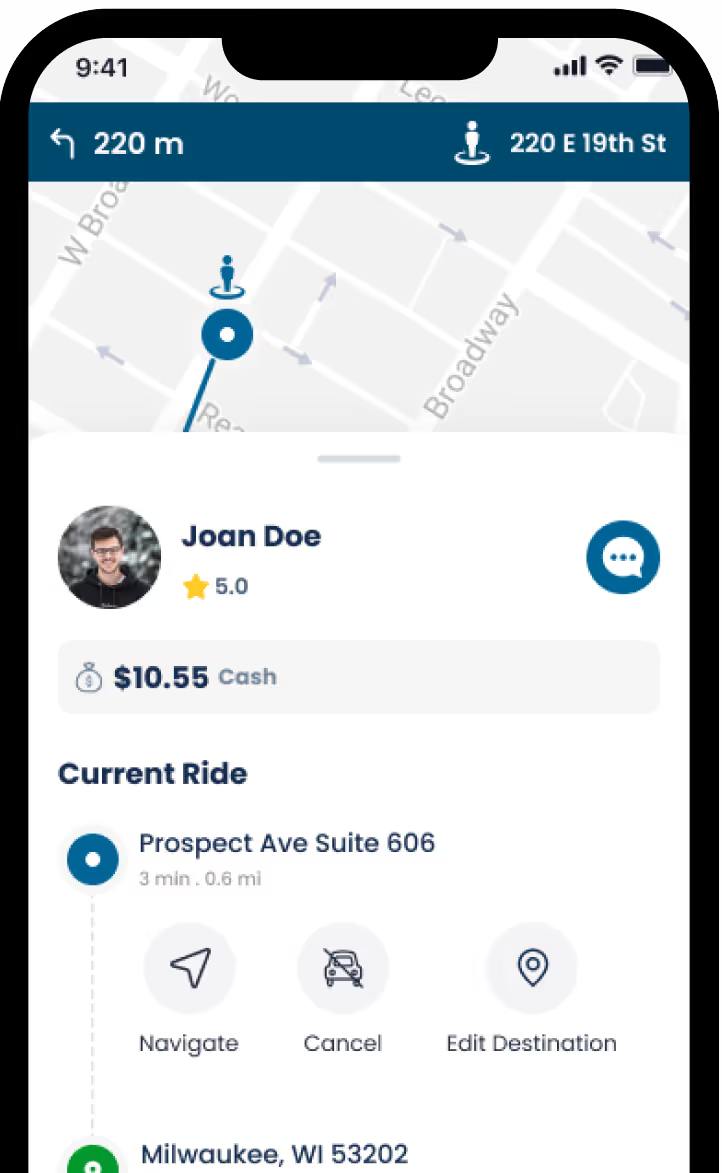
Once a driver accepts your ride request, you’ll see their name, photo, and vehicle details. Most apps, including Ridewyze, also offer real-time tracking, so you can follow your driver’s progress as they make their way to your location. This feature not only adds a layer of transparency but also ensures that you’re never left wondering where your ride is.
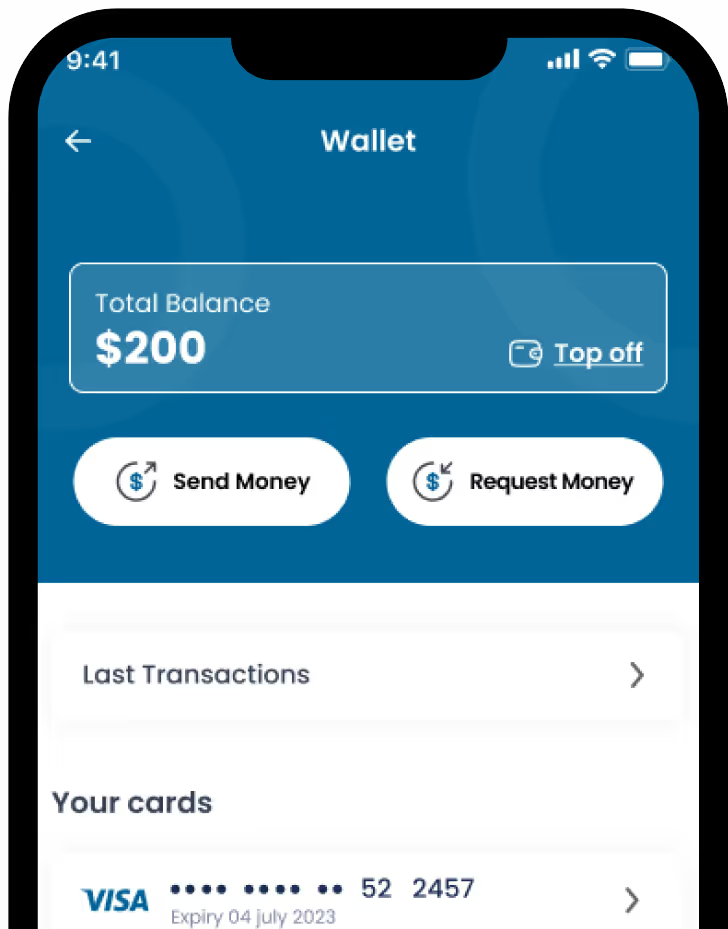
One of the key features of ride-hailing services, like Ridewyze, is the cashless payment system. Once your ride ends, the app automatically charges your account based on the time and distance traveled. You don’t have to worry about handling money or tipping, as everything is done digitally. Some apps also allow riders to leave a rating and a tip for their driver, which can be added directly through the app. This digital payment process is much more streamlined and secure compared to carrying cash or relying on credit card swipes.
Ride-hailing is not a one-size-fits-all service. Different types of rides cater to different needs, preferences, and budgets. Let’s take a look at the various options available.
Standard rides are the most basic form of ride-hailing. This option is typically the most affordable and is designed for those who need a quick and simple ride. Most people opt for standard rides when they’re going to work, running errands, or traveling short distances.
If you're looking for a little more luxury, premium rides offer higher-end vehicles and additional perks. This might include a ride in a luxury sedan, such as a BMW or Mercedes, and even extra features like bottled water, charging ports, and extra comfort. Premium rides come with a higher price tag, but they offer an upgraded experience for those who need a more stylish and comfortable ride.
Carpooling is a great way to save money and reduce your environmental footprint. Carpooling services, including those offered by Ridewyze, allow riders who are heading in the same direction to share a ride, cutting down on both the cost and carbon emissions associated with driving. In these cases, the app will match you with other riders who are close to your location and heading in the same general direction. This option tends to be more affordable, although the ride might take a bit longer as it involves multiple stops.
Ride-hailing has a lot to offer, and it’s easy to see why so many people prefer it over traditional transportation options. Here are some of the biggest advantages.
The number one advantage of ride-hailing is convenience. You don’t need to walk to a street corner and wave down a cab, nor do you need to call a dispatcher and wait for the cab to arrive. With a ride-hailing app like Ridewyze, you can request a ride from virtually anywhere, and a driver will be on their way to pick you up within minutes.
For many, ride-hailing can be more cost-effective than owning a car or using a taxi service. Prices are typically lower than traditional taxi fares, and services like carpooling help reduce costs even further. Plus, you can skip expenses like parking fees and maintenance, making it an attractive option for city dwellers or those who don’t need to drive every day.
Ride-hailing services, including Ridewyze, allow passengers to choose from a range of ride options, from budget-friendly rides to more luxurious ones. This flexibility means you can always find an option that fits your needs, whether you’re heading to a business meeting, picking up groceries, or just going out with friends.
Although ride-hailing has many advantages, it’s not without its challenges. Here are some of the most significant issues the industry faces.
The biggest concern for many passengers is safety. Since ride-hailing connects riders with private individuals rather than professional taxi drivers, there is a risk involved. While most apps, including Ridewyze, have implemented background checks and driver vetting procedures, it’s still important to stay vigilant. Passengers should always check their driver’s details (like the car model and license plate) before getting into the vehicle, and if anything feels off, trust your instincts and don’t hesitate to cancel the ride.
Ride-hailing services are still relatively new, and many cities and countries are still figuring out how to regulate them. Some areas have imposed regulations that restrict or limit the operations of ride-hailing companies, often due to concerns about competition with traditional taxis. In other places, drivers may be required to obtain special licenses or permits to operate legally. These regulations can sometimes lead to confusion or inconvenience for both passengers and drivers.
Looking ahead, ride-hailing is poised to continue evolving, with new technologies and innovations changing the way we get around.
One of the most exciting developments in the world of ride-hailing is the potential for self-driving cars. Companies like Ridewyze, Uber, and Waymo are already experimenting with autonomous vehicles, which could significantly reduce the need for human drivers. Although full autonomy is still some years away, it’s a possibility that could revolutionize the industry by making rides even safer and more affordable.
Ride-hailing services, including Ridewyze, are already available in many countries, but there are still plenty of places where these services are either unavailable or not as widespread. The future of ride-hailing will likely see companies expanding into new markets, both in developed and developing countries. This global growth will allow more people to access affordable, convenient transportation no matter where they are.

Ride-hailing has changed the way we move, offering an easy and affordable alternative to traditional taxis and car ownership. From the convenience of requesting a ride with just a few taps to the variety of ride options available, it’s easy to see why so many people are making the switch. While the ride-hailing industry does face challenges, its benefits far outweigh the downsides. As technology continues to improve, the future of ride-hailing, with companies like Ridewyze leading the charge, looks brighter than ever. Whether you're in a bustling city or a remote suburb, ride-hailing is likely here to stay, offering a more convenient, cost-effective, and accessible way to get around.
Ride-hailing is a service that allows users to book a ride through a mobile app, connecting passengers with available drivers. It provides a more flexible and convenient alternative to traditional taxis, with features like cashless payments and real-time tracking.
The process begins when a passenger requests a ride through the app. The app matches them with a nearby driver, calculates the fare based on distance and time, and provides an estimated arrival time. The passenger can track the driver’s location in real-time, and payment is processed digitally after the ride.
Ride-hailing services offer convenience, safety, and cost-effectiveness. They eliminate the need for cash payments, provide real-time tracking, and give users the option to rate drivers, ensuring better service quality.
While ride-hailing services are widely available in major cities around the world, availability may vary depending on the region or country. Some rural or less populated areas may not have the same level of coverage as larger urban centers.
Ride-hailing fares are typically calculated based on factors such as time, distance, traffic conditions, and demand. Surge pricing may apply during peak hours or in high-demand areas, increasing the fare temporarily.
Ready to elevate your ride-hailing business? RideWyze has the tools and expertise to help you succeed. Contact us for a personalized demo today!

Create a free account and get full access to all features for 30 days.No credit card needed. Trusted by over 4,000 Clients.


from 200+ reviews

Start your 30-day free trial.