Passenger

Team RideWyze Posted on 25 February 2025
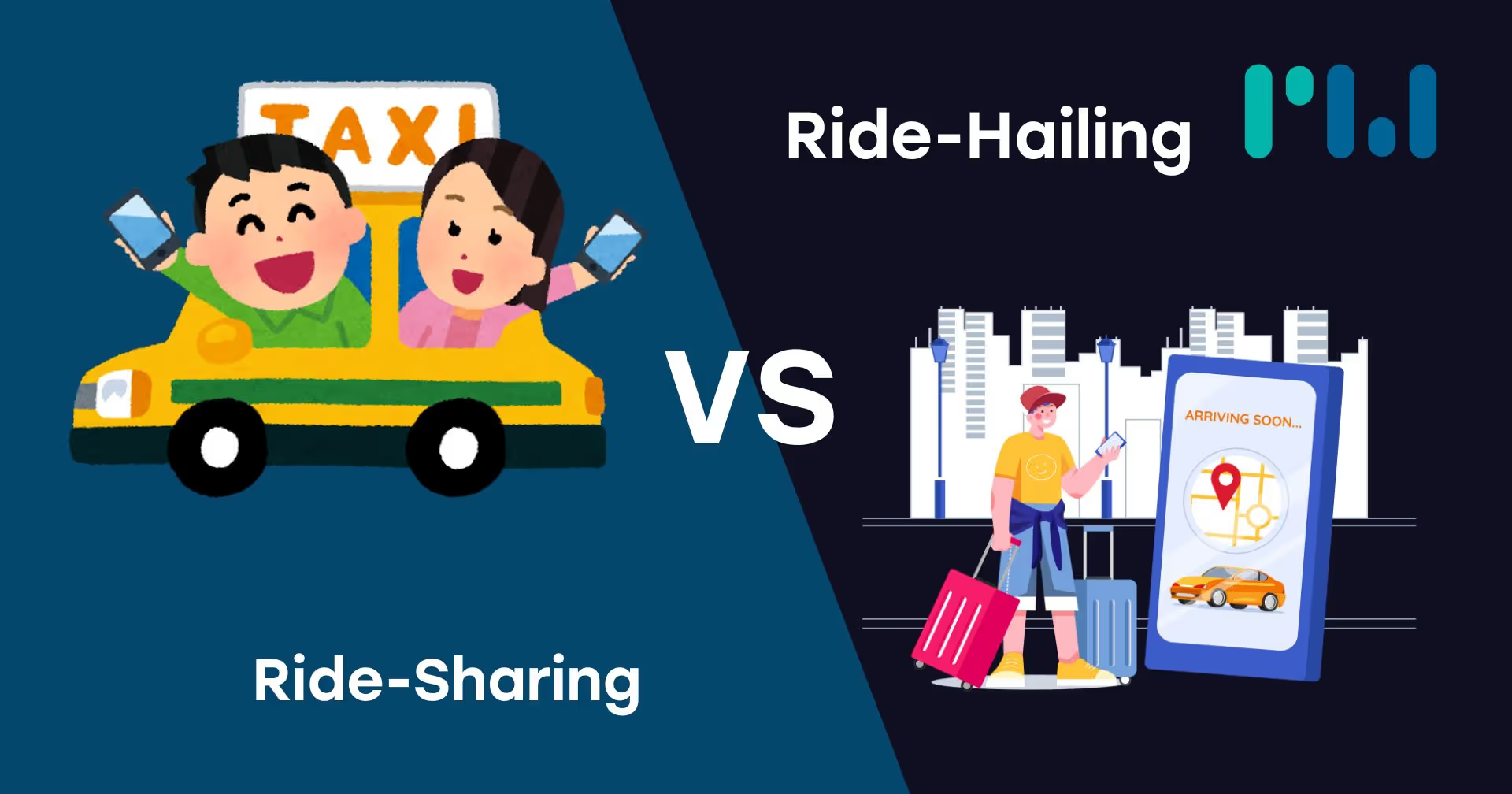
In today’s fast-paced world, transportation has become incredibly convenient, thanks to the rise of mobile apps like Uber, Lyft, and others. These apps allow users to request rides at the touch of a button, making it easier than ever to get from point A to point B. However, the terms “ride-hailing” and “ride-sharing” are often used interchangeably, which can cause confusion. While both services involve using an app to summon a vehicle, there are key differences that affect everything from pricing to convenience and the overall experience.
In this comprehensive guide, we’ll break down the ride-hailing vs. ride-sharing debate, explore the key differences, and help you decide which option best suits your needs. Whether you’re heading to work, running errands, or going out for a night on the town, understanding these services can make your transportation choices easier and more efficient.
Ride-hailing is a term that refers to the act of summoning a private vehicle through a mobile app. Unlike traditional taxis, where you would hail a cab off the street, with ride-hailing services, you can request a ride directly from your smartphone. Popular apps like Uber, Lyft, and others have made this service widely available, allowing passengers to book a ride in a matter of seconds.
What sets ride-hailing apart is its private nature. When you use a ride-hailing service, you're requesting a ride just for yourself (unless you choose a service like Uber Pool). The vehicle you ride in is dedicated to you and only you, meaning that no one else will share the trip. This is one of the primary benefits for those who prefer a more personalized and direct experience.
The process of using ride-hailing apps is simple and straightforward, contributing to its popularity. Here's a detailed breakdown of how it works:
Because ride-hailing is centered on private transportation, it’s an ideal option for individuals who value convenience and comfort. If you're running late or simply don’t want to share your space with strangers, ride-hailing allows you to enjoy a much more personal experience.
While ride-hailing is about a private, one-passenger experience, ridesharing is a different beast altogether. This service involves sharing a ride with others, even if they are strangers, heading in the same direction. Ride-sharing services like Uber Pool and Lyft Line group passengers who are traveling along similar routes, allowing them to split the ride cost.
Ride-sharing is typically more budget-friendly than ride-hailing because the fare is shared between multiple passengers. While it may take longer to reach your destination due to additional stops for other riders, the cost savings are a significant appeal for many commuters.
Here’s a detailed look at how the ride-sharing process works:
For people who don’t mind sharing their journey with others, ride-sharing can offer a more affordable and eco-friendly option. It’s ideal for budget-conscious travelers who are not in a rush.
Now that we’ve explored what each service offers, let’s dig into the key differences between ride-hailing and ride-sharing. Understanding these distinctions can help you make a more informed choice based on your preferences, priorities, and budget.
One of the most noticeable differences between ride-hailing and ridesharing is the pricing structure.
Whether you choose ride-hailing or ride-sharing, safety is always a top priority. Both services take steps to ensure the well-being of passengers, but there are certain differences.
Both services have their safety protocols, but privacy and comfort tend to be more significant in ride-hailing.
Now that you have a comprehensive understanding of the differences between ride-hailing and ridesharing, let’s help you decide which one is the best fit for your needs. Here’s a breakdown:

When deciding between ride-hailing and ride-sharing, it all comes down to your individual preferences and priorities. If cost is your primary concern, ride-sharing may be the most suitable choice. If comfort, speed, and privacy are essential to you, ride-hailing will provide the most satisfying experience.
Ultimately, both services have their unique advantages, and the decision should be made based on your specific situation. Whether you're traveling for business, commuting to work, or going out for the evening, there’s a transportation option that fits your needs perfectly.
The main difference between ride-hailing and ride-sharing lies in how the service operates. Ride-hailing involves booking a private ride through apps like Uber or Lyft, where a driver takes you directly to your destination. Ride-sharing, on the other hand, involves sharing a vehicle with other passengers heading in the same direction to reduce costs and environmental impact.
Uber is primarily a ride-hailing service because it allows users to book private rides on demand. However, Uber also offers ride-sharing options, such as UberPool, where multiple passengers can share a ride and split the cost.
Ride-sharing is generally more cost-effective than ride-hailing because the cost is split among multiple passengers. However, ride-hailing offers more convenience and privacy, which may justify the higher cost depending on your preferences.
Ride-sharing is more environmentally friendly than ride-hailing because it reduces the number of cars on the road by combining trips. This leads to lower emissions and fuel consumption, making it a more sustainable transportation option.
You should choose ride-hailing when you need a direct, private ride to your destination, especially if time is a priority or if you’re traveling with a group that fills the vehicle. Ride-sharing is ideal for budget-conscious travelers or those looking to reduce their environmental footprint.
Ready to elevate your ride-hailing business? RideWyze has the tools and expertise to help you succeed. Contact us for a personalized demo today!

Create a free account and get full access to all features for 30 days.No credit card needed. Trusted by over 4,000 Clients.


from 200+ reviews

Start your 30-day free trial.