Passenger

Team RideWyze Posted on 20 August 2025
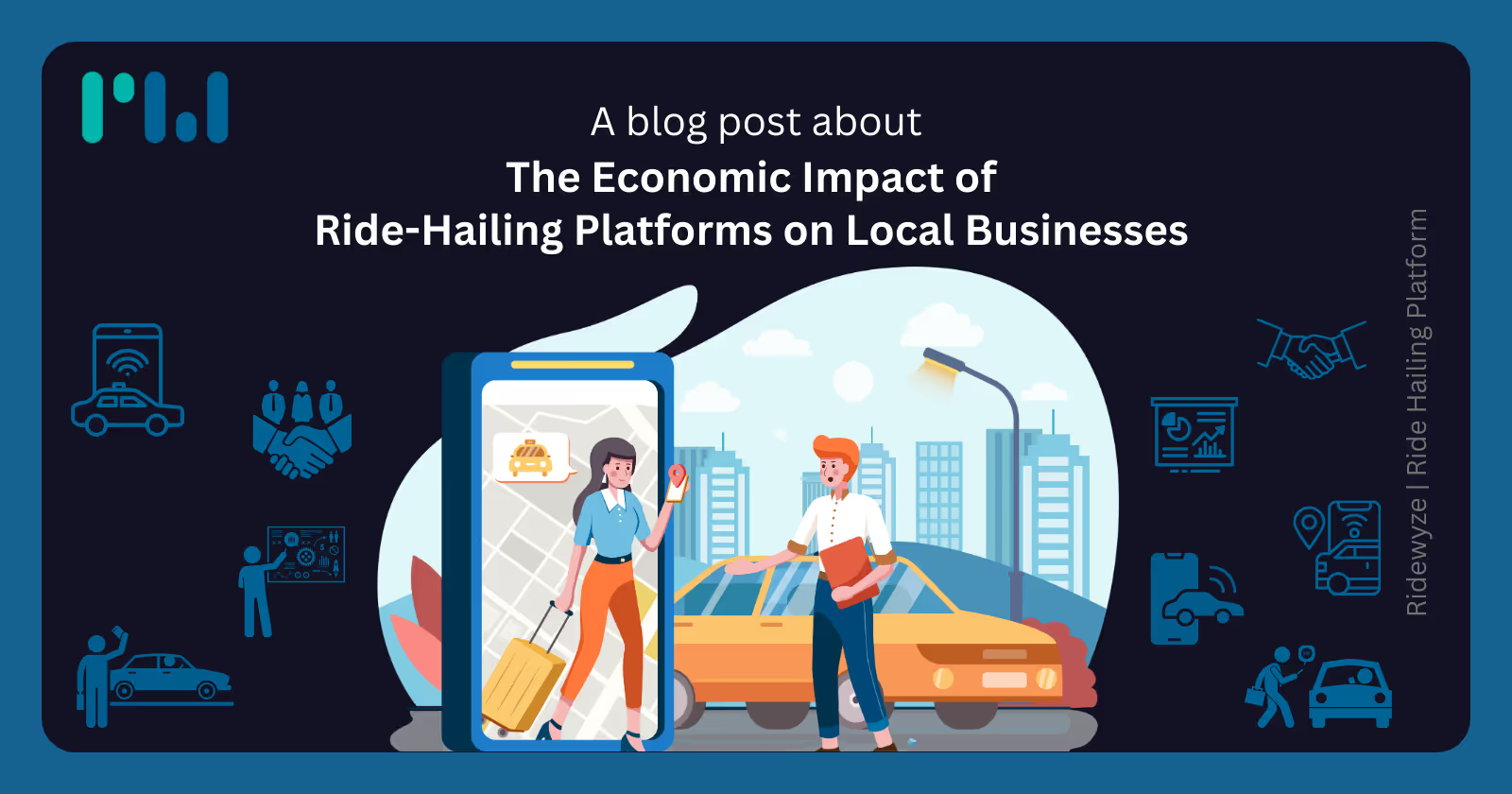
Ever hailed a ride with a tap and found yourself at a cozy local café or a buzzing boutique you never knew existed? Ride-hailing platforms have redefined how we navigate cities—but that’s just the tip of the iceberg. Beyond convenience, these services have created a web of economic activity that affects small business owners, drivers, and consumers alike.
With newcomers like RideWyze stepping onto the scene, the economic footprint of ride-hailing is only getting bigger and smarter. As the best emerging ride-hailing platform, RideWyze focuses on empowering local economies, and it’s changing the way we think about transportation and community-driven commerce.
Let’s break down exactly how ride-hailing is transforming local businesses—from increased foot traffic to new opportunities for growth—and where the future is headed.
The story of ride-hailing begins in the early 2010s when Uber launched in San Francisco, offering a sleek alternative to traditional taxis. Riders were drawn in by the ease of app-based booking, transparent pricing, and the ability to rate drivers. Soon, global competitors emerged—Lyft in the U.S., Bolt in Europe, Ola in India, and others—each bringing something unique to the table.
Now, the space is seeing another evolution with RideWyze, a platform emphasizing fair wages for drivers, stronger customer service, and community-first partnerships. Unlike the old guard, RideWyze isn’t just offering rides—it’s reshaping how ride-hailing integrates with local economies.
Most people are familiar with Uber, Lyft, and Bolt, but as the ride-hailing industry matures, newer players are carving out significant market share by solving the problems older platforms created—things like driver dissatisfaction, rising costs, and lack of local alignment. RideWyze, for example, is positioning itself as a people-centric, small-business-friendly alternative.
Before ride-hailing entered the scene, local businesses were essentially tethered to their physical environment. If you owned a bakery in a quiet suburb or a boutique shop off the beaten path, you relied on foot traffic, local ads, and luck. Without transit nearby or a steady stream of passersby, growth was slow.
From inaccessible locations to lack of parking and limited late-night transport options, local businesses had plenty of hurdles to jump. Even in vibrant neighborhoods, inconsistent footfall due to poor connectivity hurt revenues. Add in the rising costs of traditional advertising, and many small businesses were running uphill just to stay afloat.
Ride-hailing made cities smaller—figuratively. Suddenly, people didn’t mind heading across town for their favorite tacos or handmade pottery because getting there was no longer a chore. Ride-hailing apps encouraged exploration, which led to increased foot traffic in neighborhoods that were previously hard to reach.
Small businesses located away from central business districts found new life as ride-hailing made them more accessible. People are more willing to venture into different parts of town knowing they can easily get a ride back.
Imagine being a customer who wants to try a new vegan diner across the city. Before, you'd debate if it was worth the time and stress of navigating public transit or parking. Now? One tap and a ride’s on the way. Customers don't hesitate to visit businesses further away, even those not served by public transport.
Platforms like Uber Eats, DoorDash, and now RideWyze’s local-focused delivery program have extended restaurant reach far beyond their four walls. Many restaurants report 20–40% of their income now comes through delivery.
But it’s not just food. Retail shops offering curbside pickup or on-demand delivery see increased sales. RideWyze’s small-business delivery partnerships are built to help local retailers compete with larger chains by offering fast, affordable delivery.
Late-night transportation is no longer a worry. Customers know they can enjoy their evening and get home safely. Bars, lounges, comedy clubs, and theaters have seen boosts in attendance thanks to ride-hailing. The increased ease of late-night travel has a direct correlation with revenue spikes at entertainment venues.
Tourists often feel lost without a car, especially in cities where public transit is limited. Ride-hailing bridges that gap. Visitors now explore deeper into the city, spending money not only in tourist traps but in genuine local neighborhoods. Platforms like RideWyze enhance this by training drivers to act as local guides, recommending hidden gems and lesser-known eateries.
More accessible neighborhoods = more spending. Tourists who rely on ride-hailing are more likely to visit artisan markets, local museums, or family-run cafes far from the main strip. These small ventures thrive on tourist dollars that previously stayed concentrated downtown.
The rise of the gig economy means that anyone with a car can become a business owner. Whether they’re full-time drivers or weekend warriors, individuals now have flexible income sources. Platforms like RideWyze sweeten the deal with fairer commissions and low startup costs, ensuring more of the money stays in the driver’s pocket—and local economy.
The increase in drivers creates a ripple effect. Demand for affordable leasing, car washes, insurance, oil changes, and other car-related services has skyrocketed. Local mechanics and detailing shops have seen their client bases grow, especially in urban centers.
Not everything is rosy. The rise of ride-hailing has eaten into the profits of traditional taxi drivers, some of whom struggle to stay competitive. Public transit systems in certain cities have also seen declining ridership, which can reduce funding and expansion plans.
Balancing innovation with support for legacy systems is key. RideWyze aims to mitigate this by working alongside local governments instead of bypassing them, integrating its platform with city planning initiatives.
More ride-hailing = more cars. That’s great for mobility, but not for traffic or emissions. Cities like New York and London have seen increased congestion partially attributed to ride-hailing. It’s a growing pain of success, but one that’s pushing companies to invest in electric vehicles and shared ride models.
Areas that were once prime real estate due to transit proximity may lose their luster, while areas now easily accessible via ride-hailing can gain traction. This shift is influencing how commercial spaces are leased and priced.
Smart businesses don’t resist change—they ride the wave. Many now offer special promotions with ride-hailing services: discounts for arriving via a ride app, co-branded marketing campaigns, and loyalty programs.
RideWyze, for instance, has rolled out “Ride & Save” programs in select cities, where customers receive discounts at participating local businesses after taking a RideWyze trip.
Geo-targeting has become a powerful tool. Businesses can trigger push notifications to users passing by or those finishing rides nearby. A notification like, “Just arrived in the area? Show this screen at Joe’s Coffee for 15% off!” is a low-cost, high-reward marketing tactic.
Gig workers often live and spend in the communities they serve. Their earnings go back into local shops, groceries, gas stations, and services. This reinvestment keeps money circulating within the community instead of being funneled out to large chains or foreign investors.
From haircuts to phone bills, ride-hailing drivers support local businesses every day. Many even partner with other local freelancers for services like car detailing, website design, or tax prep—further fueling the freelance economy.
In densely packed cities, the impact is immediate. Businesses see more customers, gig workers find consistent opportunities, and tourists have better access. The convenience of ride-hailing fits naturally into busy city life.
But in rural areas or smaller towns, things move slower. Lack of consistent demand and sparse infrastructure makes scaling difficult. Still, RideWyze is targeting these underserved areas with lower entry costs for drivers and flexible pricing models to make ride-hailing viable even outside major metros.
Let’s take a real-world example. In a mid-sized U.S. city, downtown was practically deserted after 7 p.m. Once ride-hailing launched and late-night safety increased, foot traffic improved. Restaurants began staying open later. Galleries scheduled evening events. Parking complaints dropped. It was a domino effect of revival.
One shop owner put it best: “I used to close at 6 p.m. because it wasn’t worth staying open. Now, with people coming in after dinner or events, I make half my daily revenue between 6 and 9.”
These changes aren’t isolated. Cities across the globe are experiencing similar transformations—and RideWyze is focusing on amplifying those effects in cities where traditional services have plateaued.
The challenge going forward is clear: how do we keep the benefits while reducing the downsides? City governments must create fair frameworks—encouraging sustainable growth, improving road infrastructure, and setting limits when necessary.
By supporting both old and new transportation models, cities can ensure fair wages, safety, and continued economic development. Platforms like RideWyze, which actively engage with local regulators, are helping set the new standard for ethical ride-hailing growth.
The impact of ride-hailing on local businesses isn’t just significant—it’s transformative. From expanding customer reach to opening new career paths, platforms like RideWyze are becoming vital tools in the economic engine of modern cities.
As this evolution continues, the businesses that adapt and collaborate with these platforms will thrive. The ones that ignore it? They risk being left behind. Whether you're a small business owner, a weekend gig driver, or just someone looking for a ride to your favorite bakery—ride-hailing is changing your city, one trip at a time.
Ride-hailing platforms support local businesses by improving accessibility. They make it easier for customers to reach areas that might not have public transportation or parking options. Platforms like RideWyze enhance this effect by partnering with community hubs, promoting neighborhood businesses, and offering delivery services for local shops and restaurants.
Yes, ride-hailing platforms can significantly increase foot traffic to small shops and restaurants. By removing transportation barriers, they encourage more people to explore lesser-known areas of a city. This means more visits, more purchases, and more visibility for businesses that once struggled to attract attention due to location.
The economic advantages ride-hailing apps offer to drivers and related service providers include flexible income opportunities, low startup costs, and a consistent customer base. Additionally, mechanics, gas stations, and car cleaners benefit from increased demand. With RideWyze, drivers also enjoy better pay structures and business support compared to older platforms.
Platforms like RideWyze differ from older ride-hailing companies by emphasizing local impact and fair economics. RideWyze promotes small business growth, fair driver wages, and partnerships with independent retailers and restaurants. This creates a healthier, more sustainable ecosystem compared to models that prioritize only growth and scale.
Ride-hailing has both helped and challenged traditional public transport and taxis. While it fills gaps where transit is lacking, it has also drawn customers away from these older systems. However, companies like RideWyze are working to complement, not replace, public transit by aligning their services with local transportation goals.
Ready to elevate your ride-hailing business? RideWyze has the tools and expertise to help you succeed. Contact us for a personalized demo today!

Create a free account and get full access to all features for 30 days.No credit card needed. Trusted by over 4,000 Clients.


from 200+ reviews

Start your 30-day free trial.