Passenger

Team RideWyze Posted on 15 Dec 2025
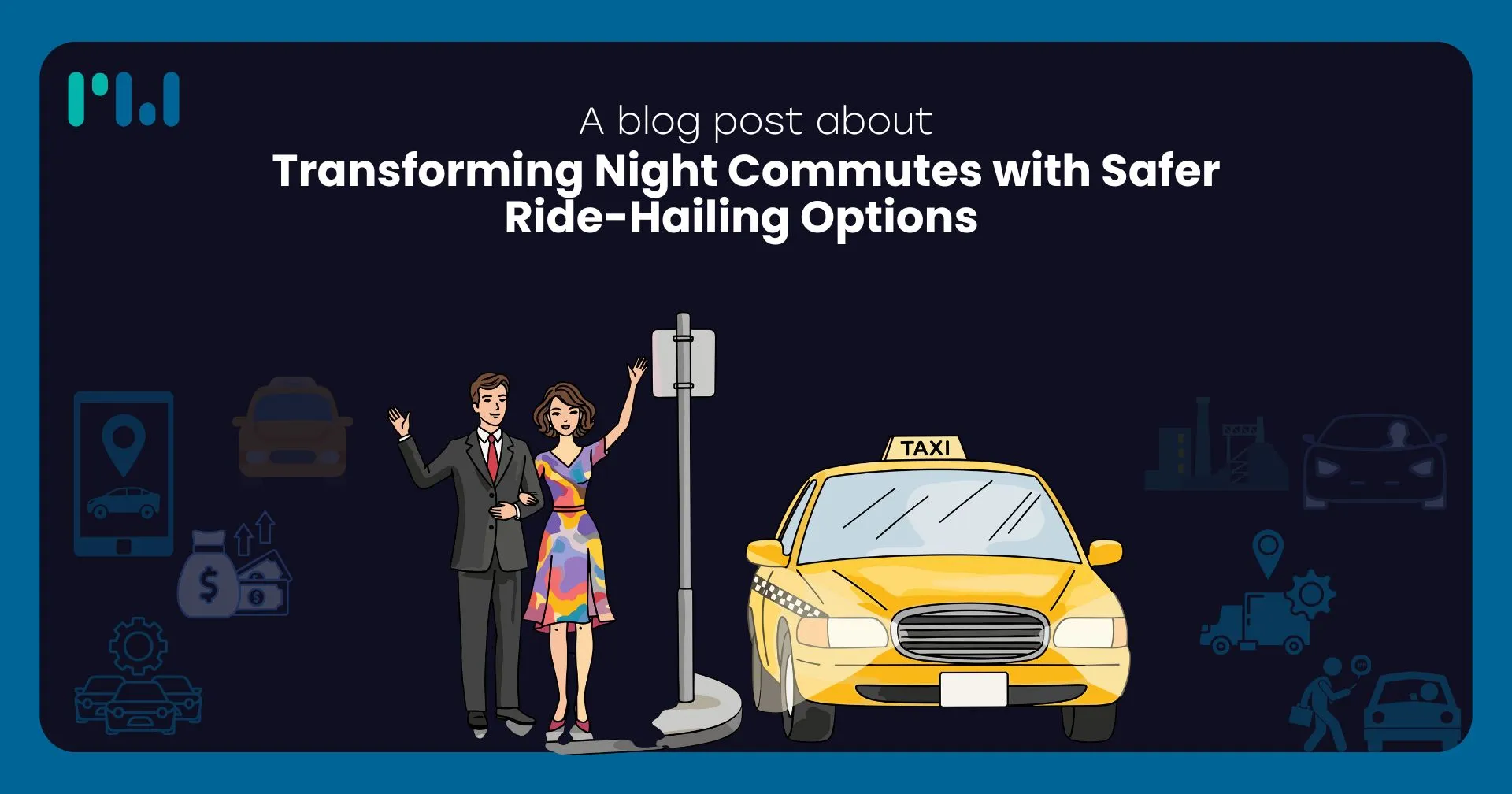
Late-night travel has always carried a sense of unease. Whether it’s the quiet streets, reduced public transport, or the risks of encountering unsafe drivers, commuting after dark often feels unsafe—especially for solo riders. Thankfully, ride-hailing technology has transformed this experience. Modern platforms like Uber and Lyft are investing heavily in safer night ride-hailing systems, using AI, GPS tracking, driver screening, and panic-response tools to build trust and minimize risk.
As urban areas become increasingly mobile and nightlife economies expand, the ability to travel safely after dark has become both a necessity and an expectation. But how effective are these new measures? Let’s dive deep into the facts, data, and innovations shaping the future of safe night-time ride-hailing.
Ride-hailing has become a staple in modern urban mobility. According to recent studies, 34% of U.S. adults use Uber, while 21% use Lyft—a remarkable growth compared to pre-2020 levels. Moreover, 29% of Americans now rely on ride-hailing occasionally or frequently, while 82% no longer use taxis.
This massive shift toward ride-hailing highlights not just convenience but also trust in digital safety features that taxis traditionally lacked. Features like real-time driver identity verification, trip tracking, and cashless payments make passengers—especially women and night commuters—feel more secure.
Interestingly, most ride-hailing activity spikes between 10 p.m. and 2 a.m., aligning with nightlife and late-work hours. This time window presents unique safety challenges—and opportunities for innovation in secure late-night Uber and Lyft trips.
Despite popular fears, the reality is that 99.9% of all Uber and Lyft trips occur without any safety incident. Only 0.0002% of trips report issues like harassment, assault, or accidents.
While these numbers show that ride-hailing is statistically safe, the remaining 0.0001% still matters—especially when it involves vulnerable passengers during late hours. In 2019–2020, sexual assault rates were reported at 0.0001% for Uber and 0.0002% for Lyft. These incidents, while rare, underscore why after-dark ride safety continues to be a top industry priority.
However, there’s also a sobering side: between 2021–2022, Uber-related fatalities reached 153, marking a 40% increase from the previous period. Over 30% of these involved speeding or alcohol impairment, reflecting ongoing challenges in maintaining driver vigilance and accountability.
Thus, while the numbers are reassuring overall, they also remind us that safety at night requires constant evolution, technological vigilance, and transparent reporting.
Ride-hailing isn’t just offering convenience—it’s saving lives. Studies reveal that the availability of ride-hailing services has reduced serious traffic injuries and deaths by 28.5%, particularly during weekends and holidays when drunk driving spikes.
In suburban and peripheral urban areas, this reduction climbs to 54.9%, primarily because people now choose a ride-hailing option instead of driving intoxicated. These numbers tell a powerful story: the presence of safe night-time ride-hailing is directly linked to fewer crashes, fewer fatalities, and safer communities.
This transformation also extends beyond personal safety. Fewer DUI incidents mean lower medical costs, reduced strain on emergency services, and improved city road safety metrics. As cities adopt smart traffic systems, integrating ride-hailing safety data can further improve emergency response efficiency.
Despite the technology, traveling alone at night still triggers anxiety for many—especially women, students, and shift workers. Empty streets, low visibility, and the unpredictability of strangers all heighten vulnerability.
In traditional taxis or private cars, there was little accountability. But with modern ride-hailing apps, riders can now share their route with friends, record trip details, and instantly contact support through in-app panic buttons.
The goal isn’t just prevention—it’s empowerment. Features like real-time GPS trip tracking and AI-based driver behavior alerts make passengers active participants in their own safety, turning a once-worrisome night commute into a more controlled and monitored experience.
A 2024 global safety report revealed that 78% of women feel unsafe using public transport at night. Ride-hailing apps recognized this early and began designing women-for-women ride options, connecting female passengers exclusively with female drivers.
In markets like India, UAE, and parts of Europe, these initiatives have shown measurable results—improving female ridership confidence by up to 42%. Combined with background-checked night drivers and ID verification, these systems are helping make nighttime rideshare security not just a policy—but a lived experience.
Such features align with the growing consumer demand for gender-sensitive urban mobility, where inclusivity and safety are equally prioritized.
GPS tracking is the backbone of modern secure late-night Uber and Lyft trips. Every movement is recorded and monitored, allowing both passengers and support teams to intervene immediately if something goes wrong.
Today, platforms use 24/7 ride monitoring systems that automatically detect route deviations, prolonged stops, or unsafe driving speeds. When triggered, these alerts prompt the driver or rider to confirm safety status. If unresponsive, the app escalates the case to emergency responders.
Such AI-powered trip analytics have become the unseen guardian of millions of night commutes, dramatically improving real-time safety assurance.
Artificial intelligence now plays a crucial role in keeping rides safe. Through telematics data and smartphone sensors, AI continuously monitors driver behavior—tracking braking patterns, acceleration, fatigue signs, and even distracted driving.
If anomalies are detected, the system sends automated alerts to both the driver and the safety control team. This proactive monitoring has reduced late-night collision rates by nearly 12% in pilot cities.
In the near future, expect AI-driven predictive safety systems to detect risks even earlier—identifying fatigue hours, high-risk routes, and unsafe passenger requests before the trip even begins.
Safety innovation is impressive—but it’s only as strong as the systems reporting it. According to the latest data, Uber reports 99.9% of its safety statistics to regulators, while Lyft reports only 36%. Moreover, Lyft’s assault reports are 30 times higher than Uber’s, raising concerns about data consistency and accountability.
Transparency remains a challenge in ride-hailing safety governance. Without standardized metrics, comparing companies becomes difficult, and riders are left uncertain about which platform truly offers safer night rides.
Stronger data disclosure policies, third-party audits, and city-police rideshare partnerships can help bridge these gaps—creating an ecosystem where safety transparency equals trust.
Some cities are taking safety a step further by integrating ride-hailing with urban safety infrastructure. For instance, smart-city street-lighting geofences automatically brighten routes where multiple ride-hailing pickups occur after midnight.
Additionally, municipal authorities in cities like Chicago and London now have live ride-sharing dashboards that display high-risk areas, allowing police to respond faster. Such city-police rideshare partnerships represent a new era in after-dark ride safety, blending public and private data for collective protection.
This approach transforms night commuting from an individual concern into a coordinated citywide safety effort.
While ride-hailing improves convenience, it also introduces economic and legal complexities. A University of Chicago study estimated that ride-hailing-related fatalities contribute to 987 additional deaths annually, amounting to $10 billion in economic loss per year.
However, these numbers must be balanced against the billions saved by reducing drunk driving and traffic congestion. From a legal standpoint, injury settlements in ride-hailing accidents range between $25,000 to $1 million, depending on fault and severity.
The takeaway? Ride-hailing is reshaping not only mobility economics but also liability frameworks, pushing both companies and regulators to redefine responsibility in the age of digital transport.
Behind every trip is a human driver navigating fatigue, pressure, and unpredictable passengers. Uber’s data shows drivers complete 2.5 million trips daily, spending 39% of their time with passengers and 59% without.
This “deadhead” driving time raises both financial and safety concerns—drivers covering more miles alone increases their exposure to risk. Solutions like AI fatigue detection, incentivized night safety bonuses, and enhanced rest protocols are helping reduce late-night driver burnout and improve alertness.
A safer driver means a safer rider—especially during the quiet, dimly lit hours of the night.
Ride-hailing safety isn’t standing still. New tools being tested include:
Together, these innovations form a multi-layered safety ecosystem, blending prevention, monitoring, and rapid response into one seamless system—ideal for high-risk nighttime commutes.
Safety isn’t only about numbers—it’s about how passengers feel. A late-night ride home after a long shift or party should not trigger fear. Platforms are now focusing on emotional reassurance by improving app design, communication, and rider support.
Features like friendly check-ins, automatic trip-sharing reminders, and human-operated 24/7 safety lines go a long way in reducing anxiety. When riders feel heard and protected, peace-of-mind on a 2 a.m. commute becomes more than a marketing claim—it becomes a lived experience.
The next frontier in safer night ride-hailing lies at the intersection of AI, policy, and empathy. Expect to see cities mandating standardized safety reporting, companies adopting AI-driven predictive safety, and riders gaining more control over trip data sharing.
With ongoing innovation, the goal is clear: make every late-night ride as safe as a morning commute—no matter the time, location, or passenger profile.
The transformation of night commutes is more than technological—it’s cultural. As people grow to trust these systems, the fear of traveling after dark will gradually fade, replaced by confidence, comfort, and choice.
The evolution of nighttime rideshare security reflects how far urban mobility has come. What was once an anxiety-inducing experience is now guided by 99.9% incident-free night rides, real-time tracking, AI driver monitoring, and 24/7 support.
While transparency and regulation still need work, one thing is undeniable: ride-hailing platforms have made after-dark travel safer, smarter, and more empowering than ever. As innovations continue, every 2 a.m. journey home could soon feel as secure as daylight travel—bringing true peace of mind to millions who rely on the road after dark.
Night rides with Uber and Lyft are statistically very safe, with 99.9% of trips occurring without any safety incident. Advanced safety measures like AI driver monitoring, real-time GPS trip tracking, and in-app panic buttons enhance security for late-night passengers.
Ride-hailing apps provide multiple safety features for solo night commuters, including real-time route sharing, verified driver identities, AI-based behavior alerts, and 24/7 support lines. These tools allow riders to feel more confident and in control during late-night travel.
Female riders benefit from gender-specific options such as women-for-women rides, background-checked drivers, and enhanced ID verification. These features increase confidence and safety, especially in regions like India, UAE, and parts of Europe.
Yes, AI and GPS tracking play a critical role in preventing night ride incidents. AI monitors driver behavior and detects unsafe driving patterns, while GPS tracking allows real-time monitoring, route deviation alerts, and quick intervention if emergencies arise.
Smart cities enhance night ride safety by integrating ride-hailing data with urban infrastructure. Tools like street-lighting geofences, high-risk area dashboards, and city-police partnerships help ensure safer routes for late-night commuters.
Ride-hailing significantly reduces risks associated with traveling alone at night. Instead of driving, passengers rely on trained and monitored drivers, real-time trip tracking, and rapid-response safety tools, lowering the chance of accidents or unsafe encounters.
Ready to elevate your ride-hailing business? RideWyze has the tools and expertise to help you succeed. Contact us for a personalized demo today!

Create a free account and get full access to all features for 30 days.No credit card needed. Trusted by over 4,000 Clients.


from 200+ reviews

Start your 30-day free trial.