Passenger

Team RideWyze Posted on 26 February 2025
Over the past decade, ride-hailing apps have changed the way people think about transportation. Gone are the days when a trip to the airport or a late-night taxi ride meant calling a cab, waiting for it to arrive, and possibly facing overcharges. Now, with just a few taps on a smartphone, passengers can have a driver pick them up in minutes. Platforms like Uber, Lyft, and Careem have introduced a world where rides are not only accessible but also safe, efficient, and affordable.
The success of these apps can be attributed to their innovative approach to solving long-standing problems in the transportation industry. The rapid growth in mobile phone usage, smartphone penetration, and the desire for a seamless travel experience have all contributed to the rise of ride-hailing apps. With millions of users worldwide, creating an app similar to Careem can be a lucrative business opportunity. However, it requires careful planning, development, and the integration of essential features that make these apps successful.
While the ride-hailing market is promising, it's not without challenges. Regulatory issues, competition, and technology challenges are just some of the hurdles you may face. It’s essential to be prepared and adaptable to overcome these obstacles.
Careem, often seen as the regional rival to Uber in the Middle East, has revolutionized the ride-hailing industry by focusing on a localized experience. From providing various car options (economy, business, and even luxury vehicles) to offering services like Careem Express for quick deliveries, Careem expanded its reach beyond traditional transportation. Similarly, Uber's seamless integration of ride-booking, payment options, and reliable service has made it a household name globally.
To build a Careem-like app, you need to adopt the same approach—offer convenience, reliability, and excellent customer service. But don’t just replicate the competition; add unique features and improvements that cater to your target audience’s needs. Whether it's a better user interface, an added feature for loyalty rewards, or more payment options, these differentiators can set your app apart.
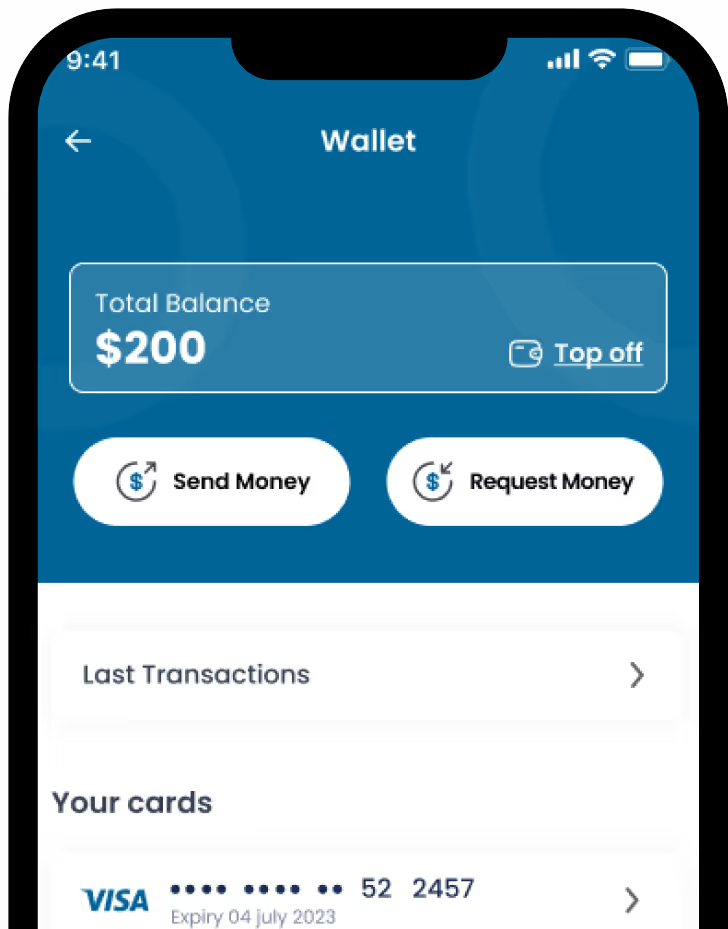
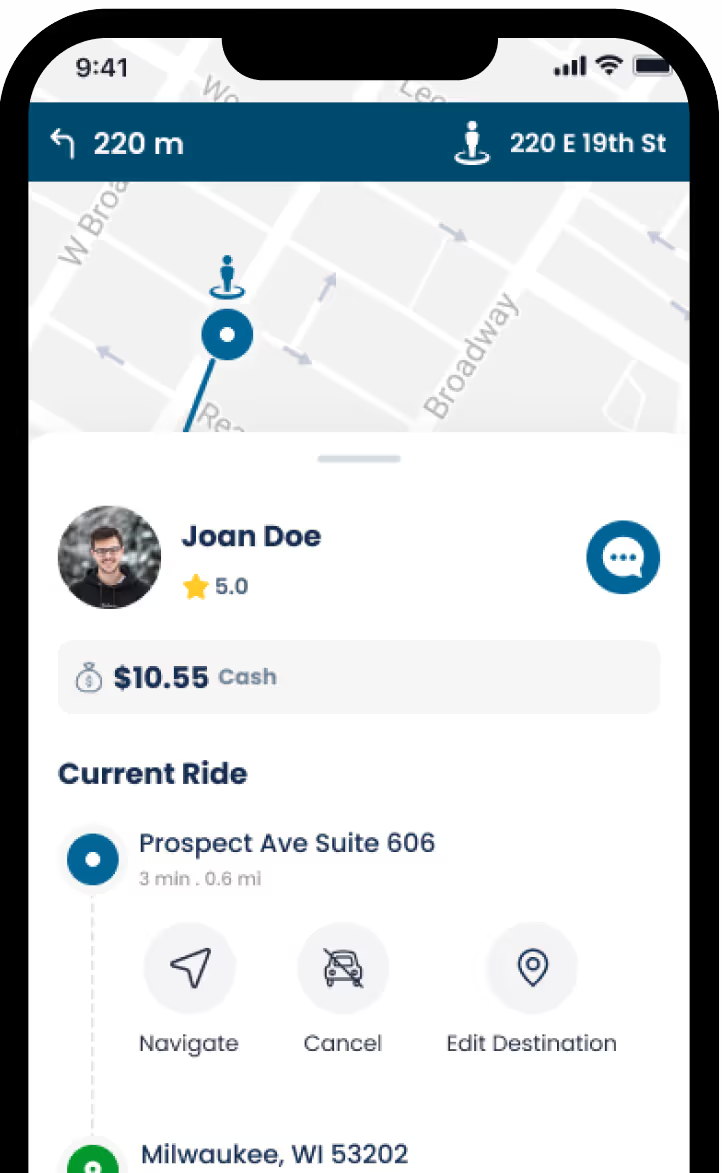
When designing an app like Careem, it’s important to prioritize user experience. Below are the essential features passengers expect:
Once the app is developed and thoroughly tested, it’s time for launch. The app store optimization (ASO) process is critical for ensuring your app reaches the right audience. Optimize your app listing with appropriate keywords, a compelling description, and appealing screenshots.
During this phase, it's crucial to conduct regular testing. Test for:
The development process begins once you’ve finalized the design and chosen the technology stack. You’ll need skilled developers to create the front-end and back-end of the app.
Choosing the right technology stack is one of the most critical decisions when building an app like Careem. For a ride-hailing platform, you’ll need a scalable back end, an efficient front-end, and reliable third-party integrations for payment gateways, maps, and notifications.
The app should also cater to the needs of drivers, ensuring that they have the tools necessary to work efficiently. Key features include:
The UI of your app is the first thing users will interact with, so it’s vital to make a positive impression. Your goal is to make the app simple, intuitive, and aesthetically pleasing. Focus on creating an interface that prioritizes functionality without sacrificing design. The fewer steps a user needs to take to book a ride, the better.
Conduct surveys, interview potential users, and study your competition. The more you know about the market, the better your app will cater to its users' needs.
Before you start developing, invest time in thorough market research. You need to know your target audience inside and out. What are their pain points? What features do they value most? Understand the local transportation system, competitors in the market, pricing models, and customer preferences.
The admin panel acts as the control center for the entire platform. Here are some critical features for effective management:

Building a ride-hailing app like Careem requires careful planning, a focus on user experience, and a robust technology stack. By integrating key features, ensuring smooth functionality, and offering personalized experiences, you can build an app that attracts users and drivers alike. The competition in this space is fierce, but with the right approach, your app can become a successful player in the ride-hailing market.
A Careem-like app should include essential features such as real-time ride tracking, driver and rider profiles, ride booking, payment gateway integration, rating and reviews, push notifications, GPS navigation, and a secure communication system between drivers and passengers.
The cost to develop a Careem-like ride-hailing app varies depending on the features, platform (iOS, Android, or both), and the development team's location. On average, the cost can range from $30,000 to $150,000. Custom features and high-end security measures will increase the overall cost.
To build a Careem-like app, technologies like React Native or Flutter for cross-platform development, Node.js or Django for backend development, and Google Maps API for navigation are commonly used. For payment gateways, integration with systems like Stripe or PayPal is essential.
The development timeline for a Careem-like app depends on the complexity of features and the team’s capacity. On average, it can take anywhere from 4 to 12 months to develop and launch a fully functional app. This includes phases of design, development, testing, and deployment.
Key challenges include ensuring smooth real-time tracking, developing a user-friendly interface, integrating secure payment systems, managing scaling issues, and complying with local regulations. Additionally, marketing and customer acquisition are vital for the app’s success after launch.
Ready to elevate your ride-hailing business? RideWyze has the tools and expertise to help you succeed. Contact us for a personalized demo today!

Create a free account and get full access to all features for 30 days.No credit card needed. Trusted by over 4,000 Clients.


from 200+ reviews

Start your 30-day free trial.