Passenger

Team RideWyze Posted on 7 February 2025
Ride-hailing apps have undeniably transformed the way we travel, offering a convenient and affordable alternative to traditional taxis and public transportation. With the advent of smartphones and GPS technology, these platforms have become a staple in urban life worldwide. No longer do you have to wait on a street corner for a taxi or navigate complicated public transport routes. With just a few taps, a ride can be on its way to you. But with so many options available, which is the best ride-hailing platform to use? Let’s take an in-depth look at the best platforms, the features they offer, and what makes them stand out in the competitive market.
Ride-hailing apps have brought about a significant shift in how people get around. From the days of relying on expensive taxis or navigating intricate bus schedules, today’s ride-hailing platforms offer a much more efficient, flexible, and user-friendly experience. Whether you’re in need of a quick ride to work, a luxury vehicle for a special occasion, or even an eco-friendly ride to reduce your carbon footprint, there’s a ride-hailing app for everyone.
In this article, we’ll explore the best ride-hailing platforms, the key features that make them shine, and what you should look for when choosing one. With the market constantly evolving, it’s important to stay updated on what’s available and which platform will offer the best experience for both riders and drivers.
A ride-hailing app is a mobile application that connects passengers with drivers who provide transportation services using their personal vehicles. These apps use GPS technology to match riders with nearby drivers, allowing for easy and fast ridesharing. The user can select their preferred vehicle type, view the fare estimate, and track their ride in real time. Once the ride is complete, payment is handled directly through the app, often with the ability to tip the driver.
The beauty of ride-hailing apps lies in their simplicity and convenience. You no longer have to call a cab or wait on the street corner for a ride. Simply open the app, select your destination, and your ride will arrive at your location in just a few minutes.
Ride-hailing apps offer several benefits that have contributed to their rapid growth in popularity. These benefits include:
Convenience: You can request a ride at any time of day, from anywhere, making them a 24/7 transportation option.
Cost-effectiveness: With dynamic pricing and multiple ride options, passengers can find affordable rides for different needs.
Safety: Ride-hailing apps often feature built-in safety measures like ride tracking, driver background checks, and the ability to share your ride details with loved ones.
Variety of Options: Whether you're looking for a budget-friendly ride or a high-end vehicle, ride-hailing apps provide a range of vehicle types to meet your needs.
Environmentally Friendly Choices: With options like electric and hybrid vehicles, many apps allow passengers to make environmentally-conscious travel choices.
The rise of ride-hailing platforms has fundamentally changed how people move within cities. These apps have eliminated many of the common issues associated with traditional taxi services, such as long wait times, unpredictable pricing, and limited availability. By providing a reliable, accessible, and easy-to-use service, ride-hailing apps have made it easier for people to get around, especially in urban areas.
Moreover, ride-hailing apps have disrupted the transportation industry by introducing a new business model, where everyday individuals can become drivers and earn money using their own vehicles. This has created a whole new workforce, allowing for greater economic opportunities and flexibility for drivers.
Not all ride-hailing apps are created equal. While they may all provide the same basic service, the best ones offer features that enhance the user experience, ensuring that both riders and drivers have a smooth, hassle-free ride. Here are the key features that make top ride-hailing apps stand out:
A simple and intuitive interface is essential for a great user experience. Whether you're a seasoned user or a first-timer, the best apps make it easy to book a ride, view the price, and track your ride’s progress. The design should be clean, straightforward, and free from unnecessary clutter, so you can focus on booking your ride quickly and efficiently.
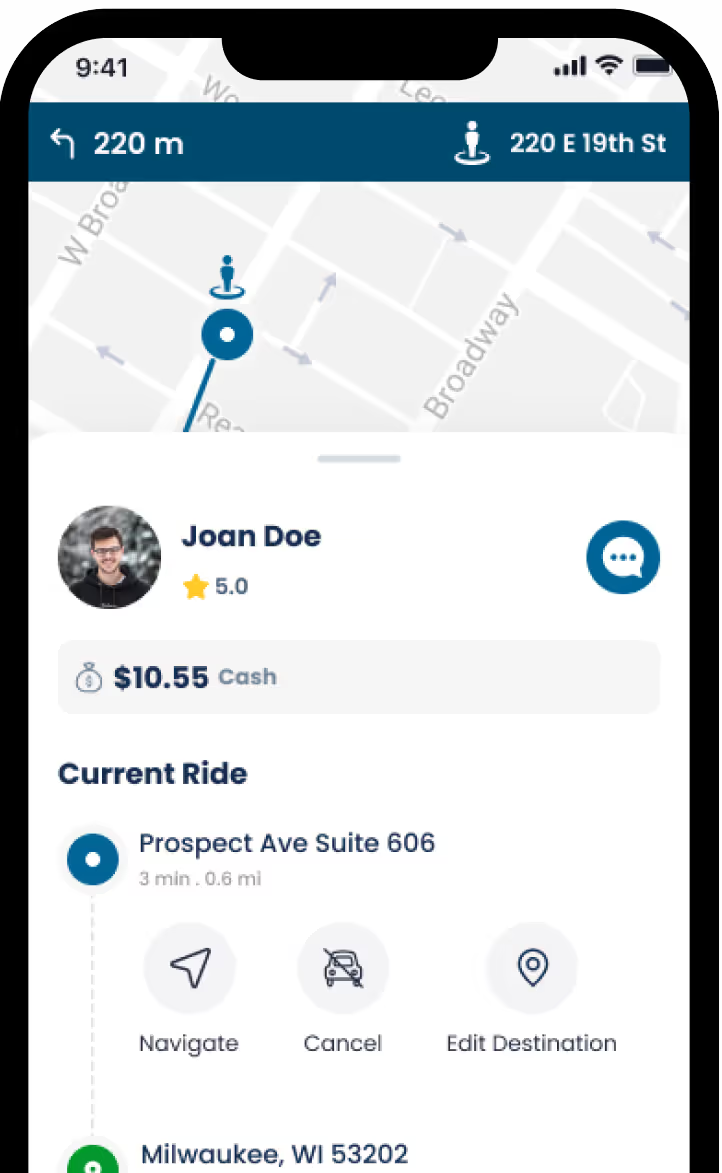
The ability to track your ride in real time is one of the key advantages of using a ride-hailing app. GPS tracking ensures you know exactly where your driver is, giving you an estimate of their arrival time and eliminating any guesswork. Additionally, the system helps drivers navigate the best route, saving both time and fuel.
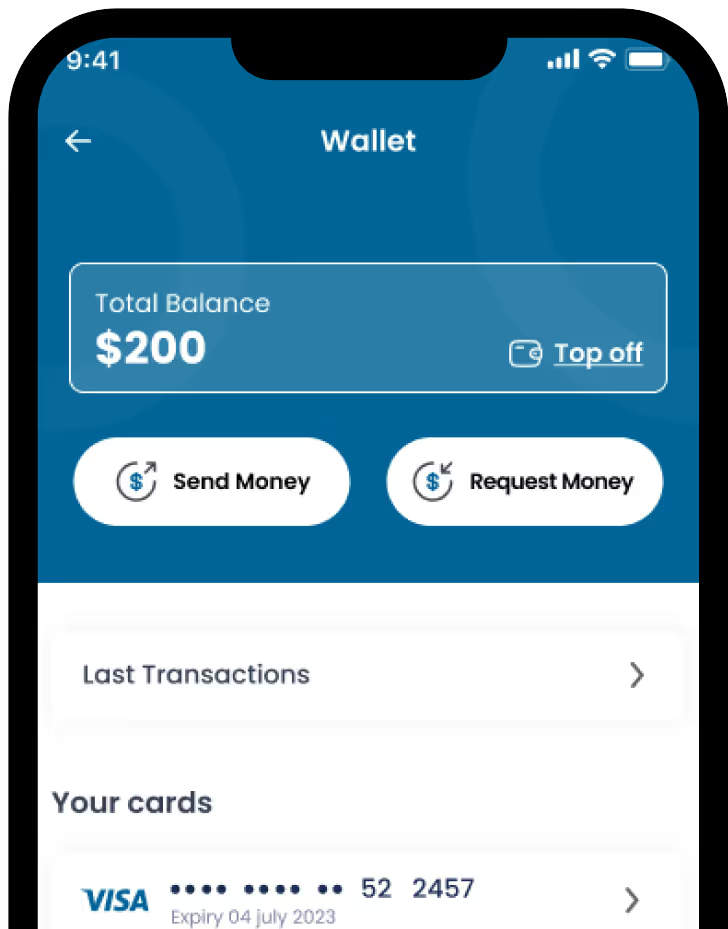
Ride-hailing apps should provide secure and seamless payment options for users. Whether it's through credit cards, digital wallets like PayPal or Google Pay, or even cryptocurrency in some cases, riders should feel confident that their payment information is safe and easily processed. Many apps also allow for automatic payment, which eliminates the need to carry cash or manually input payment details after every ride.
User feedback is a powerful tool for maintaining high standards within ride-hailing apps. The ability to rate both drivers and passengers helps ensure that both parties uphold good behavior and quality service. Positive reviews contribute to driver rankings, and constructive feedback helps improve the overall experience for everyone.
Now that we’ve explored the essential features of ride-hailing apps, let’s dive into the leading platforms shaping the industry today. From global giants to regional players, these platforms offer diverse features tailored to meet the needs of both riders and drivers.
RideWyze is an innovative ride-hailing platform that blends cutting-edge technology with exceptional user experience. Known for its intuitive design and reliable service, RideWyze stands out by prioritizing user safety, affordability, and seamless connectivity. Its robust features, including advanced GPS tracking, dynamic pricing models, and eco-friendly options, have made it a favorite among users in both urban and suburban areas. With a focus on driver empowerment and rider satisfaction, RideWyze is quickly gaining a strong foothold globally.
What makes RideWyze unique is its ability to adapt to the needs of different markets. Whether it’s offering lower fares for riders in developing regions or implementing innovative sustainability practices in urban areas, RideWyze demonstrates its commitment to providing a top-tier service while also addressing local concerns.
Uber continues to be the biggest player in the ride-hailing market, with operations in over 80 countries and 700+ cities worldwide. Uber offers various ride options, including budget-friendly rides with UberX, high-end vehicles with Uber Black, and even shared rides with UberPool. This variety allows Uber to cater to different passenger needs, from quick and cheap rides to luxury transportation.
Uber’s global reach, combined with its robust app features and extensive partnerships with other services like Uber Eats, makes it one of the most comprehensive platforms. Uber also offers special programs, such as Uber for Business, which caters to corporate clients, and Uber Freight, which helps connect freight companies with truck drivers.
Lyft is the primary competitor to Uber in North America, and it has carved out its niche by focusing on community engagement and affordability. Known for its user-friendly interface and a strong emphasis on rider and driver satisfaction, Lyft offers a variety of services such as Lyft Lux for high-end rides and Lyft XL for larger groups.
Lyft has also been a frontrunner in expanding eco-friendly initiatives, offering rides in electric and hybrid vehicles to reduce its carbon footprint. With its commitment to creating a friendly and supportive environment for drivers and passengers alike, Lyft continues to attract millions of users.
Bolt, previously known as Taxify, is a rising star in the global ride-hailing scene. Founded in Europe, it now operates in several countries across Europe, Africa, and beyond. Bolt offers affordable fares, reliable service, and quick ride availability, making it a popular choice for users in emerging markets.
What sets Bolt apart is its commitment to fairness. The platform is known for offering drivers higher pay than competitors and lower service fees, making it an attractive option for those looking to drive for a living. Bolt’s simple app interface and efficient ride-matching system also contribute to its growing success.
DiDi is the dominant ride-hailing platform in China and has rapidly expanded into other parts of Asia and Latin America. Similar to Uber, DiDi offers a range of services, from budget rides to luxury vehicles, and even bike-sharing and food delivery in select markets. With its vast network of drivers and services, DiDi is a one-stop transportation hub for users.
DiDi stands out for its technological advancements, leveraging AI and big data to optimize routes, set prices, and improve customer service. The app also offers robust safety features, including ride tracking, driver verification, and 24/7 support, giving passengers confidence in their ride.
Behind the scenes, ride-hailing apps rely on powerful software tools to ensure everything runs smoothly. These tools help drivers and passengers navigate the platform, from ride matching to route optimization and payment processing.
Dispatch management software plays a crucial role in connecting riders with drivers. It uses sophisticated algorithms to match passengers with the nearest available drivers, optimizing the process to ensure minimal wait times and efficient service.
Route optimization software uses real-time data and traffic patterns to recommend the fastest and safest routes for drivers. This minimizes delays, ensures timely arrivals, and ultimately leads to a more efficient ride-hailing service.
Payment systems allow users to pay for their rides seamlessly within the app. Integrating various payment options—credit cards, debit cards, mobile wallets, and even cryptocurrencies—ensures a smooth transaction experience for all users.
With so many options available, it can be challenging to choose the best platform for your needs. Here’s what to consider when selecting a ride-hailing app:
Reliability: Look for apps with a proven track record of timely rides.
Pricing: Choose apps that offer competitive pricing, including options for budget rides.
Service Availability: Make sure the app operates in your location or the area you plan to travel.
Safety Features: Check for safety features such as ride tracking and driver background checks.
Earnings Potential: Consider how much you can earn, including factors like surge pricing and driver bonuses.
App Usability: Ensure the app is user-friendly and easy to navigate.
Driver Support: Look for apps that provide responsive support for drivers in case of issues or disputes.
Payment Flexibility: Check if the app offers flexible payment options and timely payouts.
The ride-hailing industry is constantly evolving, with new trends emerging that could reshape the market.
The future of ride-hailing could very well include self-driving cars, thanks to advances in autonomous vehicle technology. Self-driving cars promise to reduce costs, improve efficiency, and increase safety. AI will also play a significant role in improving ride-hailing apps, from predictive analytics to customer service chatbots.
As climate change becomes an increasingly pressing issue, many ride-hailing companies are turning to electric vehicles to reduce their environmental impact. Apps are likely to offer more eco-friendly ride options, and riders may even have the choice to offset their carbon footprint with every ride.

The future of ride-hailing safety lies in continuous innovation and collaboration. As technology advances, features like autonomous vehicles and blockchain-based identity verification may redefine safety standards. However, the human element—trust, awareness, and accountability—will remain at the core of a safer ride-hailing experience.
Ride-hailing apps enhance safety by implementing real-time ride tracking, SOS emergency buttons, driver background checks, and ride-sharing options that allow users to share trip details with trusted contacts.
Driver safety is prioritized through identity verification for riders, cashless transactions, 24/7 emergency support, and in-app security features like hidden phone numbers and trip monitoring to prevent fraudulent activities.
To prevent fraud, ride-hailing platforms conduct rigorous driver background screenings, use AI-based identity verification, and monitor accounts for suspicious activity. User rating systems also help in filtering out unreliable users.
AI enhances safety by detecting route deviations, identifying unsafe driving patterns, and predicting high-risk areas. It can also enable automated emergency response systems if an anomaly is detected during a trip.
Passengers should always verify driver details, share their trip with someone they trust, and report any safety concerns immediately. Drivers can enhance safety by following traffic laws, staying alert, and using in-app safety features.
Ready to elevate your ride-hailing business? RideWyze has the tools and expertise to help you succeed. Contact us for a personalized demo today!

Create a free account and get full access to all features for 30 days.No credit card needed. Trusted by over 4,000 Clients.


from 200+ reviews

Start your 30-day free trial.