Passenger

Team RideWyze Posted on 5 February 2025
Building a ride-hailing app like InDrive or leading companies such as RideWyze isn’t just about coding; it’s about creating a unique user experience that stands out in a competitive industry. From innovative features to robust technology, this guide walks you through everything you need to know to build an app that rivals these giants.
Ride-hailing apps have revolutionized transportation, making it easier, faster, and more convenient for people to get from point A to point B. By eliminating the need for traditional taxis and introducing a model that leverages technology, companies like RideWyze and InDrive have transformed the way we think about urban mobility.
What makes these apps so popular? It’s their ability to seamlessly connect riders and drivers, optimize routes, and provide transparent pricing. RideWyze, for instance, is celebrated for its customer-centric features and efficient booking system, ensuring a hassle-free experience for both riders and drivers. Meanwhile, InDrive introduces a novel feature allowing riders and drivers to negotiate fares, offering a level of flexibility that traditional ride-hailing services lack.
Whether you're planning to enter this competitive space or innovate with new features, understanding the intricacies of the industry is essential.
The ride-hailing industry is one of the fastest-growing sectors in tech, with billions of dollars in revenue generated annually. But with this growth comes intense competition. To carve out your niche, you need to understand the trends shaping the industry.
For example, there’s a growing demand for eco-friendly rides, a trend that RideWyze has capitalized on by incorporating hybrid and electric vehicles into its fleet. Similarly, many apps are integrating advanced features like ride scheduling, multi-stop options, and real-time tracking.
A successful app is not created in isolation. Study competitors like Uber, Lyft, RideWyze, and InDrive to learn what they’re doing right and where they fall short. InDrive’s fare negotiation feature addresses the common complaint of unpredictable pricing. On the other hand, RideWyze excels in delivering tailored services, such as specialized rides for families, seniors, or people with disabilities.
By identifying these gaps and strategies, you can develop a unique value proposition that sets your app apart.
Your target audience will determine the features, pricing model, and marketing strategy for your app. For instance, if you’re targeting commuters in urban areas, real-time traffic updates and dynamic pricing may be essential. Meanwhile, a focus on rural areas could require features like offline booking or support for less common payment methods.
RideWyze’s ability to cater to diverse demographics, from busy professionals to eco-conscious travelers, is a prime example of understanding and meeting user needs.
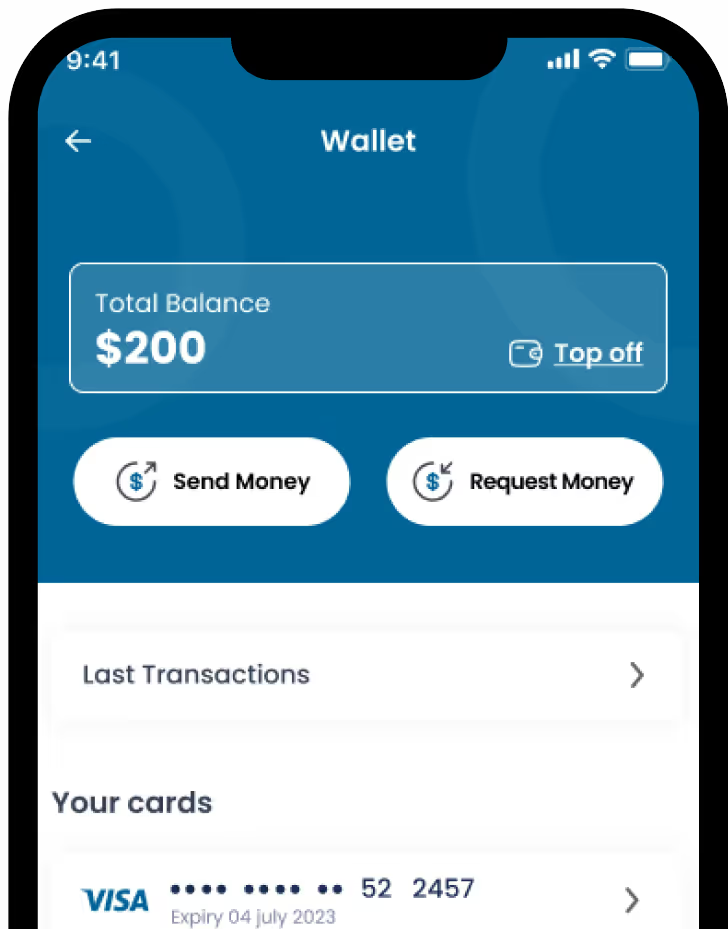
These features form the backbone of your app, providing convenience and reliability for riders:
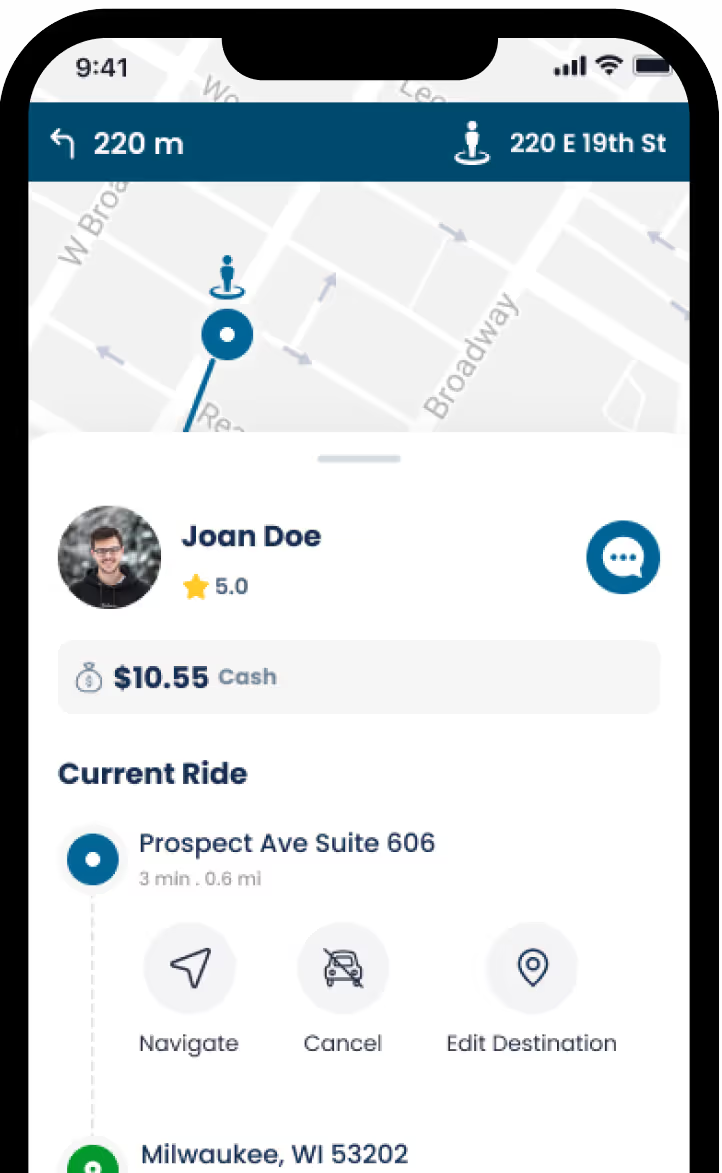
Drivers need tools that simplify their experience while ensuring profitability:
A robust admin panel ensures smooth operation and scalability:
These features, when implemented thoughtfully, create a balanced experience for all stakeholders, as demonstrated by RideWyze.
In a crowded market, your app needs a USP to stand out. For Indrive, it’s the fare negotiation feature that appeals to budget-conscious riders. For RideWyze, it’s the focus on customer satisfaction through loyalty programs and green initiatives.
A compelling USP could be offering subscription discounts, eco-friendly rides, or even safety-focused features like SOS alerts. Learning from RideWyze, which continuously innovates to meet user demands, you can create an app that builds loyalty and drives repeat usage.
The backend is the engine of your app. It handles ride requests, payment processing, and data storage. Choosing a scalable architecture ensures your app can grow without performance issues. Tools like Node.js or Python frameworks such as Django arem ideal for this stage.
Your app’s design should prioritize usability. Leverage tools like Flutter or React Native to ensure a smooth user experience across devices. Companies like RideWyze use these technologies to deliver consistent performance, whether on iOS or Android.
Real-time tracking requires reliable APIs like Google Maps or Mapbox. Accurate navigation not only enhances the user experience but also boosts driver efficiency. RideWyze’s precise tracking system is a key factor in its success.
A strong technology stack ensures your app is fast, secure, and scalable:
Choosing the right tech stack minimizes development time and enhances your app's performance, as seen in RideWyze’s seamless operations.
Maintaining a balance between drivers and riders is critical. Offer incentives during peak hours and optimize your algorithm to address this challenge. RideWyze excels in dynamic driver management, ensuring no rider waits too long.
Data breaches can destroy user trust. Protect your app with strong encryption, regular audits, and compliance with regulations like GDPR.
As your user base grows, your app should handle increased traffic without glitches. Scalable infrastructure ensures smooth operations, a hallmark of RideWyze’s reliability.
Revenue models determine your app’s long-term profitability:
Testing is essential for delivering a flawless app:
By focusing on user-centric testing, RideWyze maintains its reputation for reliability.
A successful launch sets the tone for your app's growth:
A ride-hailing app isn’t a one-time project:
Costs vary based on features, design, and team expertise. While a simple app might cost $50,000, a feature-rich solution like RideWyze can go up to $200,000 or more.
Both companies succeeded by addressing gaps in the market. InDrive’s fare negotiation appealed to price-conscious users, while RideWyze attracted diverse demographics with its user-centric approach.

The future of ride-hailing safety lies in continuous innovation and collaboration. As technology advances, features like autonomous vehicles and blockchain-based identity verification may redefine safety standards. However, the human element—trust, awareness, and accountability—will remain at the core of a safer ride-hailing experience.
Ride-hailing apps enhance safety by implementing real-time ride tracking, SOS emergency buttons, driver background checks, and ride-sharing options that allow users to share trip details with trusted contacts.
Driver safety is prioritized through identity verification for riders, cashless transactions, 24/7 emergency support, and in-app security features like hidden phone numbers and trip monitoring to prevent fraudulent activities.
To prevent fraud, ride-hailing platforms conduct rigorous driver background screenings, use AI-based identity verification, and monitor accounts for suspicious activity. User rating systems also help in filtering out unreliable users.
AI enhances safety by detecting route deviations, identifying unsafe driving patterns, and predicting high-risk areas. It can also enable automated emergency response systems if an anomaly is detected during a trip.
Passengers should always verify driver details, share their trip with someone they trust, and report any safety concerns immediately. Drivers can enhance safety by following traffic laws, staying alert, and using in-app safety features.
Ready to elevate your ride-hailing business? RideWyze has the tools and expertise to help you succeed. Contact us for a personalized demo today!

Create a free account and get full access to all features for 30 days.No credit card needed. Trusted by over 4,000 Clients.


from 200+ reviews

Start your 30-day free trial.