Passenger
Team RideWyze Posted on 22 June 2026
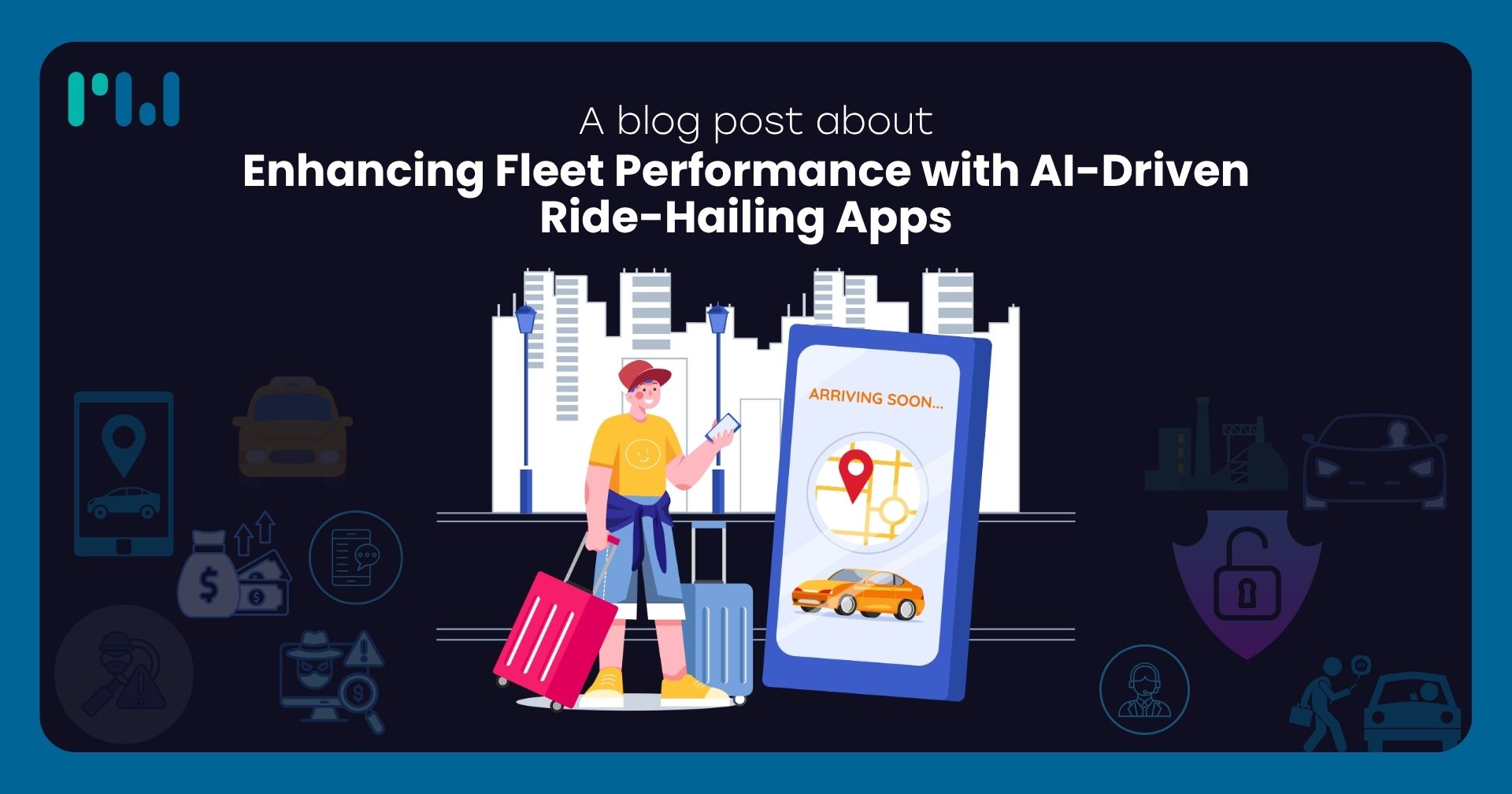
The ride-hailing industry is no longer just about connecting passengers to drivers — it is about building smart, self-improving systems that run faster, leaner, and smarter every single day. Operators who rely on manual coordination, guesswork-based dispatching, or legacy software are already falling behind. The businesses winning market share today are the ones using AI-driven ride-hailing apps to make real-time decisions at scale.
For fleet owners and ride-hailing operators, artificial intelligence is not a future concept — it is the engine powering better driver allocation, predictive maintenance, dynamic pricing, and route optimization right now. Platforms like RideWyze are at the center of this transformation, giving operators of every size the AI tools that were once reserved for billion-dollar companies like Uber and Lyft.
This guide breaks down exactly how AI enhances fleet performance — what features matter, what results operators can expect, and how to get started.
Before diving into tools and features, it is important to define what "fleet performance" means in the context of ride-hailing:
AI-driven ride-hailing apps address every single one of these performance pillars simultaneously. That is what makes the technology so powerful for fleet operators.
Traditional dispatch is reactive — a booking comes in, a dispatcher assigns a driver. AI dispatch is predictive and automatic. The system analyzes:
The result is that the closest, highest-rated, best-positioned driver is matched to each booking in milliseconds — not minutes. For a fleet of even 50 drivers, this single change can add 8–12 additional completed rides per day across the fleet.
RideWyze's automated dispatching system handles this intelligently, removing human error from the equation and cutting average passenger wait times significantly.
Fuel and time are the two biggest costs in any fleet operation. AI route optimization minimizes both by:
A fleet running AI-optimized routes typically sees fuel cost reductions of 15–25% compared to driver-led navigation. Over a year across a mid-size fleet, that translates to tens of thousands of dollars in savings.
Vehicle breakdowns are not just expensive — they destroy customer trust. AI fleet management uses telematics data to monitor vehicle health in real time and flag maintenance needs before failures occur:
Instead of waiting for a driver to report a problem — or worse, having a vehicle break down mid-trip — operators receive automated alerts that allow proactive maintenance scheduling. This keeps vehicles on the road longer and reduces emergency repair costs.
One of the most powerful applications of AI in ride-hailing is demand forecasting — predicting where and when ride requests will spike before they happen. AI models analyze:
With this insight, operators can pre-position drivers in high-demand zones before the surge hits, capturing more rides at better prices rather than scrambling to cover demand reactively.
AI does not just automate decisions — it generates intelligence that operators can act on. A well-built ride-hailing management platform surfaces metrics like:
This turns fleet management from a gut-feel operation into a data-driven business. Operators using RideWyze's analytics dashboard can identify underperforming drivers, spot coverage gaps, and make staffing decisions backed by real data.
The table below maps specific AI features to the fleet KPIs they improve most directly:
RideWyze is purpose-built for ride-hailing operators who need enterprise-grade AI performance without enterprise-scale complexity or budget.
RideWyze's dispatch engine runs on intelligent algorithms that evaluate every active driver's position, rating, and availability simultaneously. When a new booking arrives, the best match is made and confirmed automatically — no dispatcher delay, no missed assignments.
Whether you are managing 10 vehicles or 10,000, the AI infrastructure scales with you. RideWyze's cloud-based architecture ensures that as your fleet grows, the platform's intelligence grows with it — learning patterns, improving match quality, and surfacing new optimization opportunities over time.
Every driver's location, status, and ride progress is visible on the dispatch portal in real time. This gives operators instant visibility into their entire fleet without making a single phone call. Live map view, order status tracking, and route monitoring all come standard.
RideWyze automatically tracks and scores each driver on metrics including ride completion rate, customer ratings, response time, and route adherence. Operators can use these scores to make informed decisions about incentives, training, or fleet composition.
Many operators hesitate to upgrade because they believe manual methods are "good enough." The data tells a different story:
Transitioning to an AI-powered fleet management system does not require months of technical work. With RideWyze, operators can be live in days:
The most forward-looking fleet operators are combining AI with electric vehicle integration. AI is particularly valuable for EV fleet management because it can:
RideWyze is actively developing EV-compatible fleet tools for operators looking to build sustainable, cost-efficient ride-hailing businesses for the long term.
AI-driven fleet performance uses machine learning and real-time data to automate dispatching, optimize routes, predict maintenance needs, and forecast demand — improving efficiency, reducing costs, and increasing revenue for ride-hailing operators.
Manual dispatch relies on human coordinators to match drivers to bookings, which is slow and error-prone. AI dispatch analyzes GPS positions, traffic, driver ratings, and demand patterns simultaneously to make optimal matches in under 30 seconds, at any scale.
Absolutely. RideWyze is designed to scale from 10 to 10,000 vehicles. Small operators benefit just as much from AI dispatch, route optimization, and demand forecasting as large enterprises — often even more, because every saved minute and dollar has a higher proportional impact.
AI route optimization uses real-time traffic data, historical patterns, and distance algorithms to find the most efficient path for every ride. This reduces unnecessary mileage, cutting fuel consumption by an average of 15–25% compared to unguided driver navigation.
RideWyze integrates with telematics data to monitor vehicle health indicators and flag maintenance needs before failures occur, reducing unplanned downtime by up to 40%.
You can start a 30-day free trial immediately with no credit card required. Most operators have drivers onboarded and taking rides within 24–48 hours of setup.©
Ready to elevate your ride-hailing business? RideWyze has the tools and expertise to help you succeed. Contact us for a personalized demo today!

Create a free account and get full access to all features for 30 days.No credit card needed. Trusted by over 4,000 Clients.


from 200+ reviews

Start your 30-day free trial.