Passenger

Team RideWyze Posted on 3rd March 2025
In today’s fast-paced world, convenience is king. And when it comes to transportation, online taxi services have completely transformed how we travel. Gone are the days of hailing cabs on the streets, negotiating fares, or waiting endlessly for public transportation. With just a few taps on a smartphone, you can book a ride, track its arrival, and even pay without ever touching cash. It’s seamless, efficient, and downright impressive!
Online taxi services have become synonymous with urban mobility. From affordable rides to luxurious options, these apps cater to everyone, offering unparalleled convenience. But what makes these apps so successful? How do they work, and what lies ahead for this booming industry? Let’s dive in to understand the technology, features, and benefits of ride booking applications.
Ride booking apps function on the seamless integration of advanced technology, user-friendly interfaces, and efficient algorithms. Here’s how it all comes together:
The first step to using any ride booking app is creating an account. Most platforms require users to provide basic details like their name, email address, and phone number. This information helps the app build user profiles, which are essential for personalized experiences.
Some apps go a step further by allowing users to sign up using their social media accounts or Google profiles. This not only speeds up the registration process but also enhances security by linking the account to verified information.
Additionally, users can add payment methods, set preferences for ride types, and even customize profiles with profile pictures. This personal touch makes the experience feel tailored and user-friendly.
Once the account is set up, the real magic begins. Users simply open the app, enter their destination, and view available ride options. Whether it’s a budget-friendly car, a luxury sedan, or a shared ride, the app provides clear options with pricing estimates.
What makes this process even more impressive is the backend algorithm. These algorithms process real-time data to match users with the nearest available drivers. The result? A ride confirmation in mere seconds.
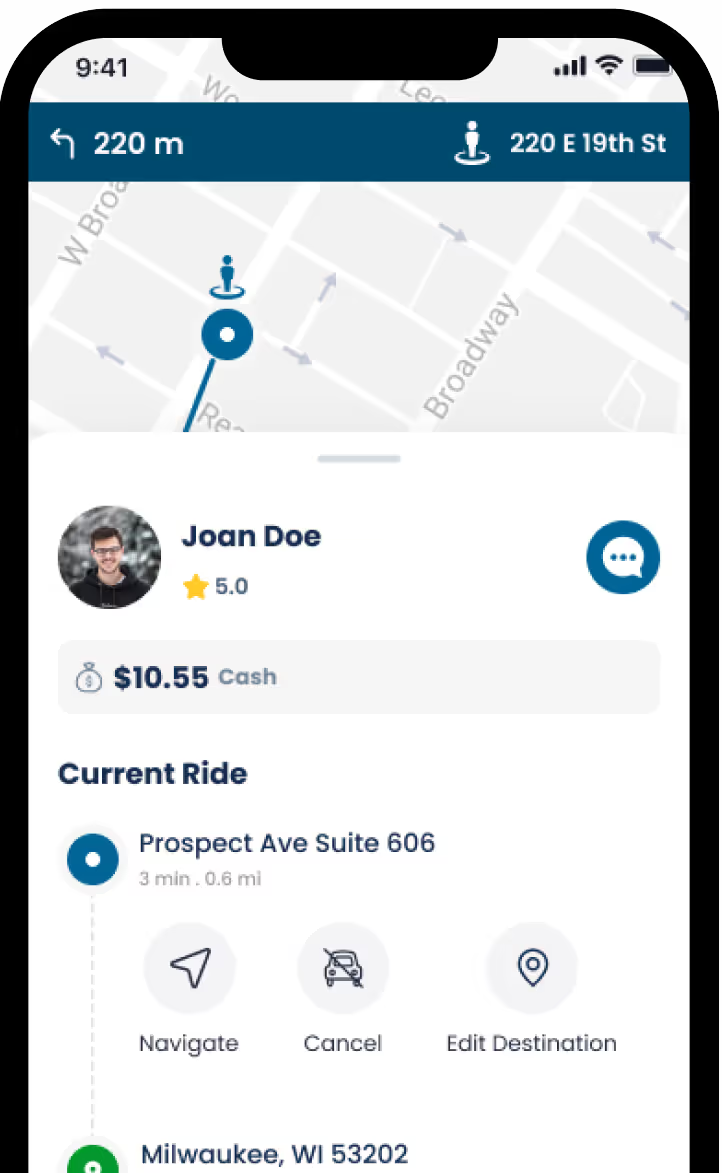
Thanks to GPS integration, ride booking apps offer real-time tracking of vehicles. After booking a ride, users can see their driver’s location, estimated arrival time, and route on the map.
For drivers, the app provides turn-by-turn navigation to ensure they take the fastest and most efficient route. This feature eliminates confusion and enhances the overall experience for both parties.
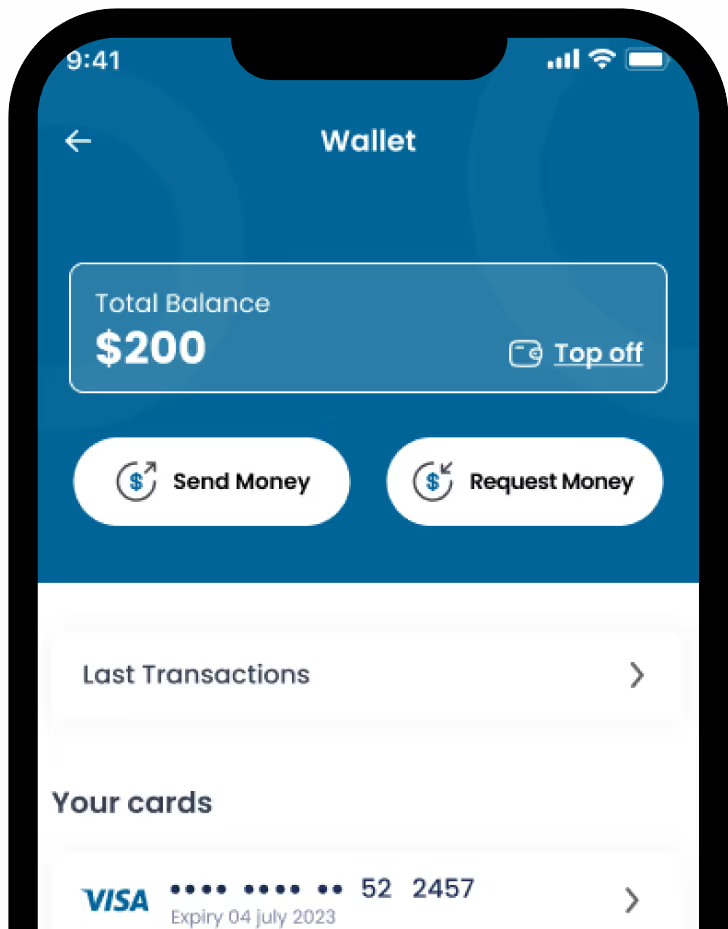
Gone are the days of fumbling for cash or worrying about change. Ride booking apps support multiple payment options, from credit and debit cards to digital wallets like PayPal, Apple Pay, or Google Pay.
Some apps even allow users to split fares with friends or earn credits through referral programs. This flexibility in payment options makes these platforms accessible to a wide audience, enhancing their popularity.
The success of ride booking apps isn’t just about getting from point A to B. It’s about creating an experience that feels effortless, secure, and enjoyable. Here are some of the standout features:
At the core of any ride booking app is the driver-passenger matching system. This feature ensures that users are connected with the nearest available driver based on their location, the type of ride requested, and real-time traffic conditions.
By leveraging advanced algorithms, the app can optimize the entire process, reducing wait times and improving user satisfaction. It’s like having a personal chauffeur at your fingertips!
Feedback is the cornerstone of continuous improvement, and ride booking apps take this seriously. After each trip, both passengers and drivers have the option to rate their experience.
These ratings help maintain high service standards. Drivers with consistently low ratings may be flagged for additional training or removed from the platform, ensuring that only the best remain.
Safety is a top priority for ride booking apps. Features like real-time trip sharing allow users to send their ride details to family or friends for added peace of mind. Emergency buttons are also integrated into the app, enabling passengers to contact authorities or customer support instantly if needed.
Additionally, most apps conduct thorough background checks on drivers before onboarding them. This ensures that users can trust the person behind the wheel.
To cater to diverse audiences, many ride booking apps now support multiple languages. This feature makes it easier for non-native speakers to navigate the app and book rides confidently.
Accessibility features like voice commands and text-to-speech capabilities also ensure that visually impaired individuals can use these services with ease.
Why have ride booking apps become so popular? It’s simple—they solve real-world problems. Let’s explore the key benefits:
Imagine being able to book a ride in under a minute. That’s the level of convenience these apps offer. Whether you’re running late for work or heading to the airport, you can count on these services to save time and effort.
With features like scheduling rides in advance, users can plan their trips without worrying about last-minute availability. This is especially useful for early morning or late-night commutes.
Compared to traditional taxis, online taxi services often come with transparent pricing and affordable options. Shared rides, in particular, allow users to split costs with other passengers traveling in the same direction.
Moreover, frequent promotions, discounts, and referral rewards make these apps a budget-friendly choice for everyday travel.
By encouraging carpooling, ride booking apps help reduce the number of vehicles on the road. This not only eases traffic in busy cities but also minimizes environmental impact by lowering carbon emissions.
While the ride booking industry has seen tremendous success, it’s not without its challenges.
Different cities and countries have varying regulations regarding ride-hailing services. From licensing requirements to driver benefits, staying compliant can be a daunting task for companies.
Failing to adhere to these regulations can result in fines, legal battles, or even service suspensions. As a result, companies must navigate these complexities carefully.
No app is immune to glitches. Technical issues like app crashes, delayed bookings, or payment failures can frustrate users and drivers alike.
To mitigate this, companies invest heavily in robust IT infrastructure and regular updates. However, maintaining a flawless system is easier said than done.
The ride-hailing industry is fiercely competitive. With multiple players vying for market share, standing out requires constant innovation, superior customer service, and aggressive marketing.
The future of ride booking apps is bright and full of possibilities. Here’s a glimpse of what lies ahead:
As the world shifts towards sustainable energy, ride-hailing companies are investing in electric vehicles (EVs). Not only are EVs eco-friendly, but they also reduce operating costs in the long run.
Autonomous vehicles are another game-changer. Imagine booking a ride and having a driverless car pick you up! While still in the testing phase, this technology could redefine the industry.
Artificial Intelligence (AI) is set to play a bigger role in ride booking apps. From predictive analytics that anticipate user needs to AI-driven chatbots for customer support, the possibilities are endless.
AI can also improve driver routing, optimize pricing models, and enhance safety features, making the entire experience smarter and more intuitive.
While urban areas have embraced ride-hailing apps, rural regions remain largely untapped. Expanding services to these areas presents a significant growth opportunity.
By addressing unique challenges like poor road infrastructure and limited internet connectivity, companies can unlock new markets and serve a wider audience.

Online taxi services and ride booking applications have revolutionized the way we travel. They offer unparalleled convenience, affordability, and safety, making them an essential part of modern life.
However, like any industry, they face challenges that require constant innovation and adaptability. By embracing future trends like electric vehicles, AI integration, and rural expansion, these platforms can continue to lead the way in urban mobility.
So, whether you’re heading to work, catching a flight, or exploring a new city, ride booking apps are here to stay—making your journey smoother, smarter, and stress-free.
An online taxi service is a platform that allows users to book rides through a mobile application or website. These services, like Uber or Lyft, connect passengers with drivers nearby for convenient, on-demand transportation.
A ride booking application works by using GPS to locate nearby drivers and match them with passengers who request a ride. Users can select their pickup and drop-off locations, view fare estimates, and pay digitally through the app. Drivers are notified of the ride request, navigate to the pickup location, and transport the passenger to their destination.
A good online taxi booking app should include features like real-time GPS tracking, multiple payment options, ride fare estimates, driver and passenger ratings, customer support, and trip history. Advanced features like ride-sharing options and eco-friendly vehicle choices are also becoming popular.
To create a successful ride booking application, focus on user-friendly design, robust backend technology, and reliable features like real-time tracking, payment gateways, and customer support. Partnering with experienced app developers ensures scalability, security, and functionality.
An online taxi service offers convenience, transparency, and ease of use compared to traditional taxis. Users can book rides instantly, track their drivers in real time, get fare estimates upfront, and pay digitally, eliminating the need for cash transactions.
Ready to elevate your ride-hailing business? RideWyze has the tools and expertise to help you succeed. Contact us for a personalized demo today!

Create a free account and get full access to all features for 30 days.No credit card needed. Trusted by over 4,000 Clients.


from 200+ reviews

Start your 30-day free trial.