Passenger

Team RideWyze Posted on 3 September 2025
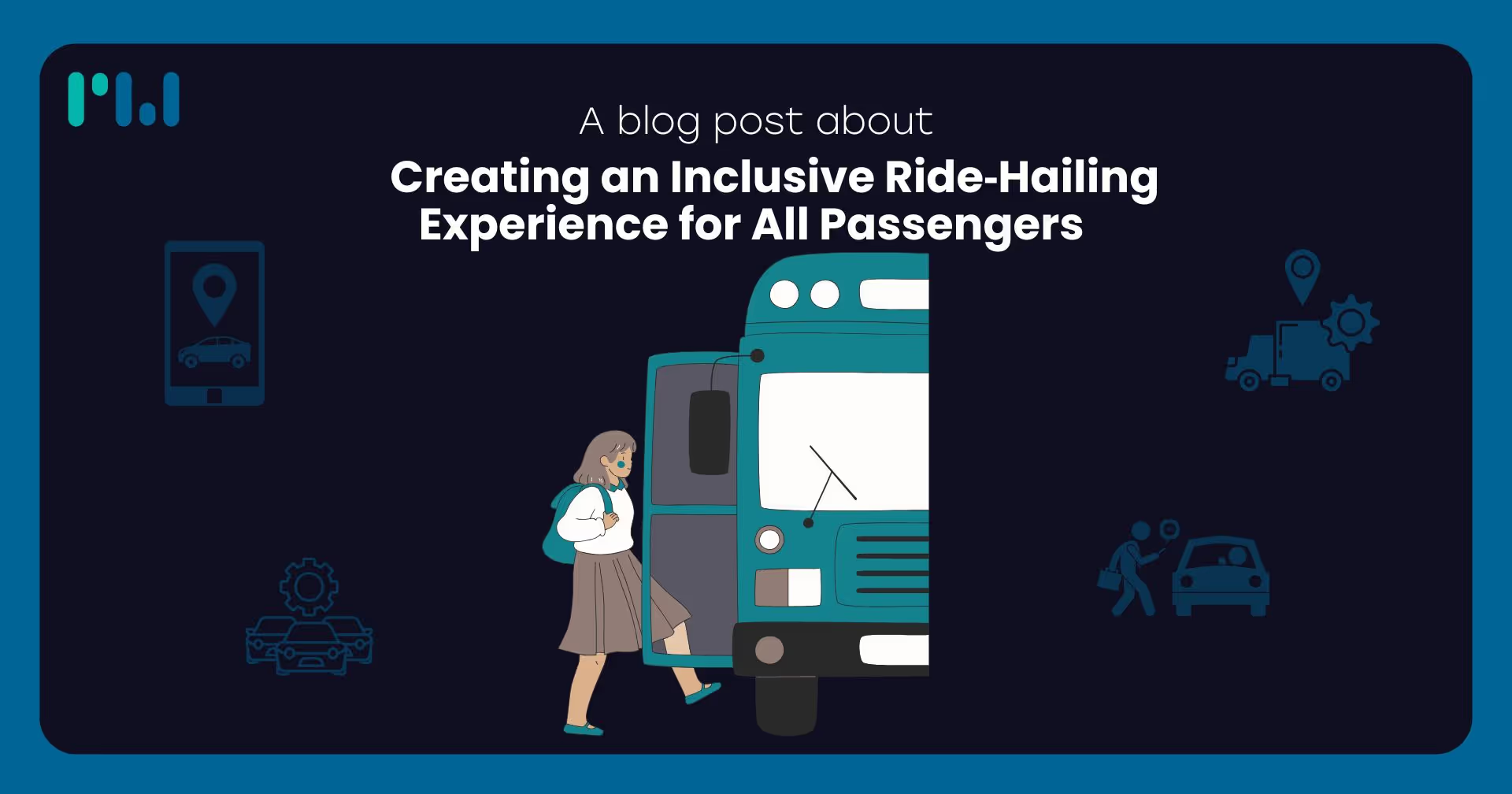
As ride‑hailing becomes a core part of daily urban mobility, the importance of designing an inclusive ride‑hailing experience cannot be overstated. Whether you’re someone using a wheelchair, a solo female traveler concerned about safety, a senior citizen who needs assistance, or a non‑English speaker navigating an unfamiliar city—transportation should be accessible, supportive, and respectful of everyone’s needs. This post dives deep into how ride‑hailing platforms can truly deliver inclusive mobility services, combining thoughtful tech, empathetic training, and user‑first policies.
What does “inclusive ride‑hailing experience” really mean? At its heart, it’s about crafting a transportation ecosystem where every rider—regardless of ability, gender, age, or language—can access, engage, and complete rides independently and with dignity.
Imagine an inclusive transportation platform, where booking a WAV (wheelchair‑accessible vehicle) is as simple as requesting a standard ride, where female riders can confidently request a woman driver, and where apps support multiple languages and assistive tech. That’s what inclusive on‑demand rides should look like—mobile services rooted in equity.
Accessible vehicles are foundational. In California, 50% of WAV trip requests go unfulfilled, and in the UK, just 2% of private‑hire vehicles are wheelchair‑accessible. That enormous gap shows how often riders with wheelchairs are left stranded.
To close this WAV availability gap, platforms must invest in expanding their WAV fleets and ensuring they’re available in a wide range of neighborhoods—not just city centers. This means deploying vehicles strategically, prioritizing demand hotspots, and empowering drivers with WAV‑specialized support.
In jurisdictions governed by ADA (Americans with Disabilities Act) or similar regulations, ride services must include step‑free vehicle access, secure seating for mobility devices, and trained drivers. Ensuring mobility‑device friendly rides isn’t just accessibility—it’s a matter of legal compliance and rider trust.
Modern ride apps must embrace assistive tech. This means supporting:
When apps are designed with accessibility front and center, riders feel empowered to book independently and without friction.
Women riders often face safety concerns—particularly when traveling alone or at night. Studies show 17% of women report that lack of female drivers limits their ride‑hailing usage. With guaranteed female-driver options, they would take 69% more rides per month.
Offering a women‑only ride preference or optional female-driver mode is a powerful way to boost both usage and confidence. In pilot programs (like Brazil’s Uber Women Rider Preference), over half of participating female drivers increased their hours, particularly nighttime shifts. So offering this option improves rider safety—and driver engagement simultaneously.
A truly inclusive ride‑hailing safety feature set should include:
With average personal safety scores at just 2.42/5, these are essential inclusions—not nice extras.
Safety concerns escalate after dark. To address that, gender‑segregated ride modes—especially for women-only rides at night—are crucial. Some platforms allow night-only access to female drivers to increase comfort and reduce harassment worries. These options go beyond convenience—they signal that the service truly cares about every rider’s wellbeing.
For many neurodivergent individuals, sensory overload from music, chatter, or engine noise can be overwhelming. A quiet ride mode allows riders to opt for silence or minimal ambient sound—reducing stress and making the trip more comfortable. This form of low‑stimulus ride option can be transformative for autistic riders, introverts, or anyone who values calm.
Seniors or those with cognitive impairments benefit from a minimal-step booking flow and clear guidance. Features like:
make the UX intuitive and stress-free—even for first-time or infrequent users.
Hearing-impaired users deserve native communication channels. Real‑time captioning in ride apps, as well as optional video-based sign language interpretation, help ensure conversations around pickup point, destination, or timing are clear. This is next-level inclusivity for communication access.
Language should never be a barrier. A multilingual ride‑hailing app, offering menus, prompts, and driver instructions in users’ native tongue, including real‑time language translation, opens up ride access to immigrants, tourists, and non-English speakers. It’s a direct path to inclusion and broader reach.
To truly resonate with diverse riders, platforms should include culturally sensitive driver training. That means teaching drivers:
A culturally aware ride fosters comfort, trust, and repeat usage.
It’s not just wheelchairs—people use walkers, scooters, canes, and more. Platforms should offer mobility-device friendly rides by:
Seniors may need help getting in and out, holding luggage, or reading small fonts. Having drivers trained in elderly assistance protocols—like giving a ride door escort, helping with shopping bags, or walking to the door—makes a big difference for comfort and dignity.
Rider comfort improves when drivers reflect their communities. Platforms that actively recruit women, drivers with disabilities, and ethnic minorities build a gender-diverse driver pool, promoting safety and representation. It also aligns with rider demand for diverse driver options.
Drivers need more than city knowledge; they need empathy. Training modules on how to:
promote respectful, consistent service.
Today’s Mobility landscape includes folding scooters, electric wheelchairs, walkers, and more. Training drivers on handling and storing these safely is essential for a mobility-friendly rides environment.
Advanced systems can automatically match riders with needed accessibility features. For example, an AI system identifies when a rider requires a WAV, quiet mode, or female driver, and assigns accordingly. This AI‑driven accessibility matching enhances rider satisfaction and operational efficiency.
Predictive analytics can help position WAVs in areas with frequent request gaps. This predictive WAV dispatch algorithm ensures better availability, based on demand density and historical usage patterns.
Platforms should track performance via inclusivity KPIs like:
By measuring progress, companies can iterate and bridge equity gaps.
Rider feedback should be anonymous and aggregated to avoid bias. A bias‑free ride‑allocation engine ensures that riders aren’t deprioritized due to disability, gender, or language profile. Every trip request should be processed with fairness and transparency.
Expanding WAV fleets or offering subsidized rides may require capital. Governments often provide grants or tax credits for accessible taxi fleets or inclusive tech. Platforms should leverage these to scale inclusivity.
Working with NGOs focused on disability rights, women’s safety, or elderly care helps ensure platforms reflect real needs. Regular accessibility compliance audits—preferably by independent groups—reinforce commitment and identify blind spots.
Public dashboards showing data on request fulfillment rates, safety incident response, and inclusion metrics build user trust. They also invite accountability—letting customers, policymakers, and advocates see real progress.
Designing an inclusive ride‑hailing experience means more than adding accessibility features—it demands empathy, active listening, and smart tech. When platforms implement:
they do more than provide rides—they uphold dignity, equity, and independence. As society evolves, mobility providers that truly serve all passengers—equally and respectfully—will lead the future of urban transportation. Inclusive ride‑hailing isn’t just smart business—it’s the right thing to do.
Creating an inclusive ride-hailing experience means designing a service that is accessible, safe, and welcoming to all types of passengers, regardless of their physical ability, age, gender, language, or socio-economic background. This involves incorporating features like wheelchair-accessible vehicles, gender safety tools, multi-language interfaces, and customer support that understands diverse user needs.
To make ride-hailing more accessible for passengers with disabilities, companies should include options for wheelchair-accessible vehicles (WAVs), allow for communication assistance for hearing or visually impaired users, and ensure that drivers are trained in disability awareness. Offering features like ramp-equipped vehicles and app compatibility with screen readers can significantly improve the experience for users with mobility and sensory impairments.
Gender safety in ride-hailing is crucial because many passengers, particularly women and gender-diverse individuals, may feel vulnerable when traveling alone or at night. Ensuring gender safety involves offering SOS features, trip tracking, ride-sharing with trusted contacts, and training drivers to behave respectfully. These measures help build trust and encourage more people to use ride-hailing confidently.
Language support enhances inclusivity by breaking down communication barriers for users who don’t speak the default app language. Offering the ride-hailing app in multiple languages, along with multilingual customer service, helps non-native speakers feel comfortable navigating the app, booking rides, and resolving issues—leading to a smoother and more inclusive experience.
Driver training is key to fostering inclusivity in ride-hailing. When drivers are trained in cultural sensitivity, disability etiquette, and anti-discrimination practices, they are better prepared to serve a diverse passenger base. This not only improves the customer experience but also reduces complaints and increases the overall reliability of the service.
Yes, inclusive ride-hailing solutions benefit drivers as well. By making the platform accessible to a wider user base, more ride requests are generated, leading to higher earnings. Additionally, when passengers feel safe and respected, they are more likely to leave positive reviews and tips, enhancing driver satisfaction and retention.
Ready to elevate your ride-hailing business? RideWyze has the tools and expertise to help you succeed. Contact us for a personalized demo today!

Create a free account and get full access to all features for 30 days.No credit card needed. Trusted by over 4,000 Clients.


from 200+ reviews

Start your 30-day free trial.