Passenger
Team RideWyze Posted on 5 August 2025
The ride-hailing industry has revolutionized urban mobility, turning the once-complicated process of hailing a cab into a seamless, on-demand experience. With a quick tap on your phone, a ride appears, ready to whisk you away. This convenience is powered by numerous leading ride-hailing companies and applications worldwide, each competing to offer faster, safer, and more affordable services. But beneath this shiny surface lies a complex business riddled with challenges — driver retention struggles, passenger safety concerns, regulatory hurdles, technological glitches, and more.
Among the sea of competitors, RideWyze, a leading ride-hailing company, stands out. It has developed smart, user-centered solutions that tackle these problems head-on. Through innovation and a clear focus on both drivers’ and riders’ needs, RideWyze’s ride-hailing app delivers a superior experience that builds trust, loyalty, and growth.
In this article, we'll dive deep into the top challenges ride-hailing companies face and how RideWyze solves them with cutting-edge technology and a customer-first approach.
One of the biggest headaches for ride-hailing companies is keeping drivers on the platform. Many drivers sign up but quit quickly, frustrated by inconsistent earnings, high service fees, and the physical toll of long hours on the road. When drivers leave, it creates a domino effect — fewer drivers mean longer wait times and lower service quality, which in turn can push passengers to competitors.
Driver dissatisfaction often stems from unpredictable income, hidden commission fees, and lack of recognition. The gig economy is notoriously tough; drivers need more than just a platform—they need respect, fair pay, and tools to succeed.
RideWyze, as a leading ride-hailing application, recognizes that drivers are the backbone of the business. Unlike many platforms that prioritize profits over driver welfare, RideWyze implements a transparent, driver-friendly commission model, allowing drivers to take home a larger share of their fares. This transparency builds trust and motivates drivers to stay.
Additionally, RideWyze’s driver app offers real-time earnings tracking and flexible scheduling tools. Drivers can plan their day effectively, picking rides that suit their preferences. The platform also rewards consistent, high-performing drivers through bonuses and loyalty programs, making them feel valued. By combining fair pay, flexibility, and recognition, RideWyze keeps its driver community engaged and committed.
Safety has always been a critical concern in ride-hailing. Reports of unsafe rides, unvetted drivers, or harassment can seriously damage public trust. Passengers want assurance that when they book a ride, they’re protected from harm — especially during late-night trips or in unfamiliar neighborhoods.
Inconsistent safety standards across ride-hailing companies add to passenger anxiety. People want clear visibility into driver credentials and ride progress, along with quick access to emergency help if needed.
RideWyze leads the way in rider safety. Every driver undergoes rigorous background checks before joining the platform. But the commitment doesn’t stop there. Using advanced GPS tracking, RideWyze’s ride-hailing app allows passengers to share their real-time ride status with trusted contacts, adding an extra layer of security.
Emergency features, like an in-app panic button, instantly alert local authorities and RideWyze’s support team if riders feel threatened. Plus, drivers receive ongoing safety training to handle emergencies professionally. By putting safety first, RideWyze builds confidence and trust with its users, a crucial edge in today’s ride-hailing market.
As ride-hailing companies expand into new cities and countries, they must navigate a maze of local laws and regulations. These vary widely and often change rapidly, creating legal risks and operational hurdles. Non-compliance can lead to fines, license suspensions, or even shutdowns, damaging the brand and bottom line.
Compliance isn’t just about avoiding penalties—it’s about building sustainable relationships with regulators and communities, which can be difficult when each market has unique rules on driver licensing, insurance, and fare pricing.
What sets RideWyze apart is its proactive legal approach. The company maintains dedicated compliance teams who work hand-in-hand with local governments to ensure all regulations are met. From obtaining necessary permits to aligning pricing policies, RideWyze stays ahead of the curve.
By fostering open communication with regulators, RideWyze helps shape ride-hailing policies that balance innovation with public safety. This approach minimizes disruption and allows the company to scale its services confidently, offering consistent quality wherever it operates.
Surge pricing is a double-edged sword. It incentivizes more drivers to hit the roads during high demand, but passengers often perceive it as unfair price gouging. Unexpectedly high fares can lead to negative reviews and a loss of loyalty.
Many ride-hailing companies implement surge pricing without transparent communication, frustrating users who feel trapped by the system. Over time, this damages brand reputation.
Transparency is at the heart of RideWyze’s pricing strategy. Instead of hiding surge multipliers behind the scenes, RideWyze’s app clearly shows fare estimates before booking. Users know exactly what to expect, making it easier to decide whether to ride now or wait.
Furthermore, RideWyze applies surge pricing fairly and caps maximum fare increases to prevent price spikes. This approach keeps customers informed and valued, fostering long-term trust and repeat usage.
Imagine booking a ride only to face app crashes, slow loading, or inaccurate GPS tracking. Such glitches lead to frustration and lost customers. In the highly competitive ride-hailing space, app reliability can make or break a company.
Users want an app that’s intuitive, quick, and dependable — something that just works every time.
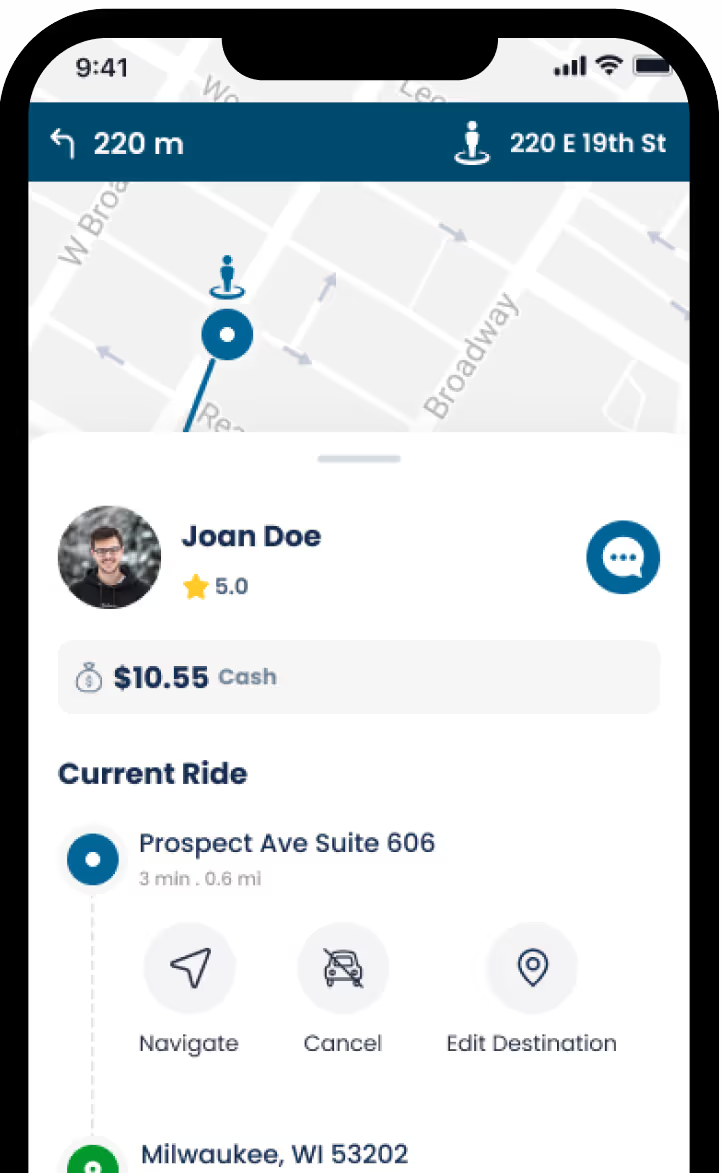
The RideWyze ride-hailing app is designed with user experience at its core. Its sleek interface makes booking rides fast and simple, even for first-timers. Real-time GPS tracking ensures accurate driver location updates, while the app’s backend architecture guarantees minimal downtime and fast load times.
On the driver side, the app delivers clear navigation, instant ride alerts, and hassle-free payment processing. Together, these features create a seamless experience that keeps both drivers and riders satisfied.
Handling payments for millions of rides daily is no small feat. Delays in driver payouts, payment failures, or fraud risks can erode trust quickly. Drivers depend on timely earnings, and riders expect smooth transactions without glitches.
Cybersecurity threats also loom large, with ride-hailing apps being targets for data breaches and fraud attempts.
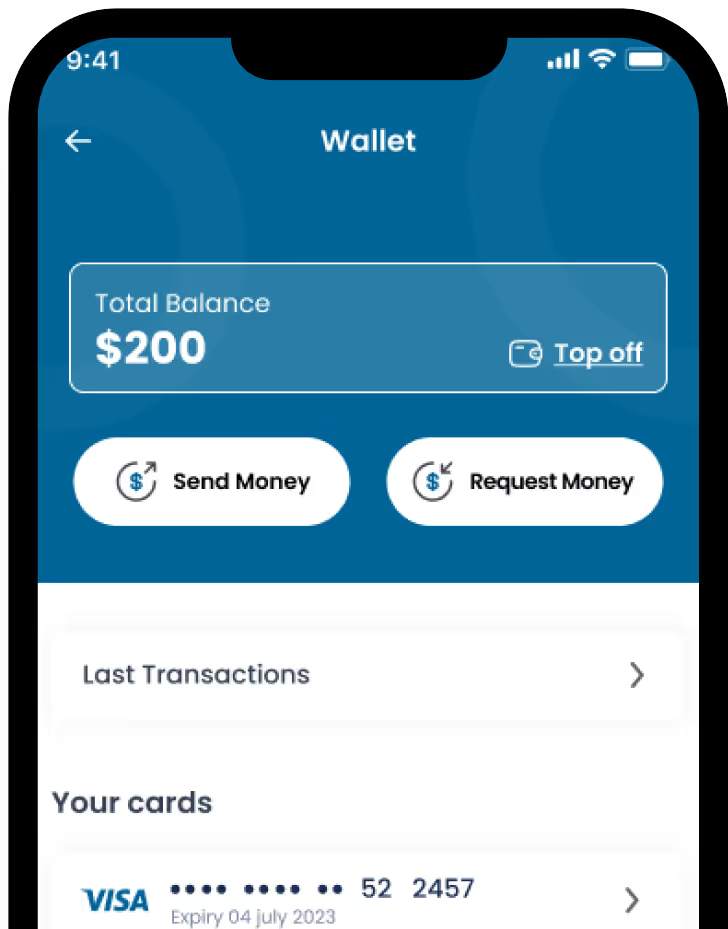
Security and reliability are non-negotiable for RideWyze. The company employs state-of-the-art encryption and secure payment gateways to protect user data and transactions. Multiple payment options — including credit cards, digital wallets, and local payment methods — ensure convenience for riders worldwide.
Instant payout systems help drivers access their earnings quickly, reducing financial stress. Fraud detection algorithms continuously monitor transactions for suspicious activity, safeguarding the platform’s integrity.
Many ride-hailing platforms rush onboarding to scale quickly, often skipping thorough driver training. This leads to inconsistent service quality and unhappy customers.
Drivers need to know more than just how to drive — customer service, navigation tools, and safety protocols are equally important.
RideWyze takes driver onboarding seriously. New drivers undergo comprehensive training programs that cover not only app usage but also best practices for customer interaction, safety, and route optimization. Digital tutorials paired with optional in-person sessions ensure everyone is well-prepared.
Ongoing education keeps drivers updated on new features and policies, reinforcing high service standards. This dedication translates into happier riders and stronger brand loyalty.
Balancing the number of drivers on the road with passenger demand is a constant juggling act. Too few drivers cause long waits and lost business; too many cause driver frustration due to idle time.
Without smart fleet management, companies waste resources and lose revenue.
Using AI-powered algorithms, RideWyze’s fleet management system dynamically monitors demand patterns and driver availability. This data-driven approach ensures drivers are strategically positioned in high-demand areas, reducing wait times for riders.
By optimizing routes and assigning rides efficiently, RideWyze maximizes driver earnings and enhances user experience — a win-win situation for everyone.
Ride-hailing’s growth has sparked criticism for contributing to traffic congestion and increased emissions in major cities. Eco-conscious riders demand greener options and sustainable practices.
Ignoring environmental impact risks alienating a growing segment of users who prioritize sustainability.
Understanding this, RideWyze promotes eco-friendly initiatives by encouraging drivers to switch to electric or hybrid vehicles. Incentives such as reduced commission rates for green cars help accelerate this transition.
The company also partners with urban planners and environmental organizations to support sustainable transportation policies. Through these efforts, RideWyze contributes to cleaner, less congested cities while appealing to environmentally aware customers.
With dozens of ride-hailing apps offering near-identical services, standing out becomes challenging. Many platforms struggle to create unique value beyond basic ride bookings.
This saturation can lead to price wars and thin margins, hurting profitability.
RideWyze breaks the mold by tailoring services to local markets. Loyalty rewards programs incentivize repeat usage, while personalized ride options — like premium vehicles, carpooling, or pet-friendly rides — cater to diverse rider needs.
Localized promotions and partnerships with businesses enrich the ecosystem. This personalized approach helps RideWyze carve out a distinct brand identity that resonates with users.
People with disabilities often find it challenging to use standard ride-hailing services due to lack of specialized vehicles or app features.
This exclusionary gap limits market reach and fails to serve all community members equitably.
Committed to inclusivity, RideWyze offers specialized options such as wheelchair-accessible vehicles and app features that support visually or hearing-impaired users. Voice commands, larger font settings, and easy-to-navigate interfaces make booking accessible to everyone.
Driver training also covers assisting passengers with disabilities, ensuring respectful and safe rides. By championing inclusivity, RideWyze taps into an underserved market and demonstrates social responsibility.
Long wait times, unresponsive support, and automated bots frustrate customers who need help — whether drivers resolving payment issues or passengers facing ride delays.
Poor customer service can quickly erode trust and damage brand reputation.
RideWyze invests heavily in human-led customer support teams available around the clock. Whether through live chat, phone, or email, users receive timely, empathetic assistance from real people.
Additionally, a comprehensive self-help center empowers users to troubleshoot common issues independently. This commitment to excellent service builds lasting relationships and enhances overall user satisfaction.
Ride-hailing apps collect vast amounts of sensitive data, from location tracking to payment details. Without strong privacy safeguards, this data can be vulnerable to misuse or breaches.
Privacy concerns deter potential users and invite regulatory scrutiny.
At RideWyze, user privacy is a core value. The company employs end-to-end encryption, anonymizes sensitive data, and strictly complies with international data protection laws like GDPR and CCPA.
Regular security audits and transparent privacy policies reassure users that their data is safe. This ethical stance reinforces trust and aligns with growing demands for digital privacy.
Rapid expansion often pressures ride-hailing companies to cut corners on driver vetting, app testing, or customer service, risking declines in service quality.
Sustainable growth requires balancing scale with consistent excellence.
RideWyze adopts a measured growth strategy focused on quality. The company pilots new markets carefully, gathers feedback, and iterates services before full launches.
Investment in infrastructure and staff training supports maintaining high standards, even as the user base grows. This approach ensures that riders and drivers receive consistent, top-notch experiences everywhere RideWyze operates.
The transportation sector is rapidly evolving with AI, autonomous vehicles, blockchain, and IoT technologies. Ride-hailing companies that fail to innovate risk obsolescence.
Tech-savvy competitors can offer smarter routes, better pricing, and enhanced user experiences.
Committed to staying ahead, RideWyze invests in R&D and partnerships with tech startups. Features like AI-driven demand forecasting, blockchain-based payments, and integration with smart city infrastructure position the company for the future.
By embracing innovation, RideWyze not only improves today’s service but also pioneers tomorrow’s ride-hailing landscape.
The ride-hailing industry faces a multifaceted array of challenges, from driver retention to regulatory compliance, safety to technology adoption. These obstacles can be daunting for companies trying to balance growth, profitability, and customer satisfaction.
RideWyze, however, has demonstrated that thoughtful, user-centered solutions can transform these challenges into opportunities. By prioritizing transparency, safety, inclusivity, and innovation, RideWyze creates a ride-hailing ecosystem where drivers feel valued, passengers feel secure, and communities benefit.
As the industry continues to evolve, companies like RideWyze that innovate with empathy and responsibility will lead the way, redefining urban transportation for the better.
A web app is interactive and performs specific tasks or functions, while a website typically provides static content or information.
The development timeline varies based on the app's complexity, features, and team size. Simple web apps may take a few weeks, while complex applications can take several months or more.
While coding knowledge is beneficial, you can also use no-code platforms or hire developers to create web apps without extensive coding skills. Learning basic HTML, CSS, and JavaScript is recommended for customization and understanding app functionality.
The cost of web app development depends on factors like complexity, features, development time, and developer rates. It can range from a few thousand dollars for basic apps to hundreds of thousands for advanced applications requiring extensive customization and functionality.
Yes, Progressive Web Apps (PWAs) are designed to work offline by caching content locally. Users can access cached data and perform basic functions even without an active internet connection, enhancing accessibility and user experience.
Ready to elevate your ride-hailing business? RideWyze has the tools and expertise to help you succeed. Contact us for a personalized demo today!

Create a free account and get full access to all features for 30 days.No credit card needed. Trusted by over 4,000 Clients.


from 200+ reviews

Start your 30-day free trial.